

Dry Yeast Pneumatic Conveying System Technical Analysis: Comparison of Positive and Negative Pressur
The efficient and reliable transportation of dry yeast is a critical aspect in various industrial processes, particularly in the food and beverage sectors. Pneumatic conveying systems have emerged as a preferred solution for handling dry yeast due to their ability to transport materials in a dust-free environment, enhancing product quality and safety. Among the different pneumatic conveying technologies, the choice between positive pressure and negative pressure systems plays a pivotal role in determining system performance, operational efficiency, and cost-effectiveness. This article provides a technical analysis of dry yeast pneumatic conveying systems, focusing on the comparative evaluation of positive pressure and negative pressure conveying modes.
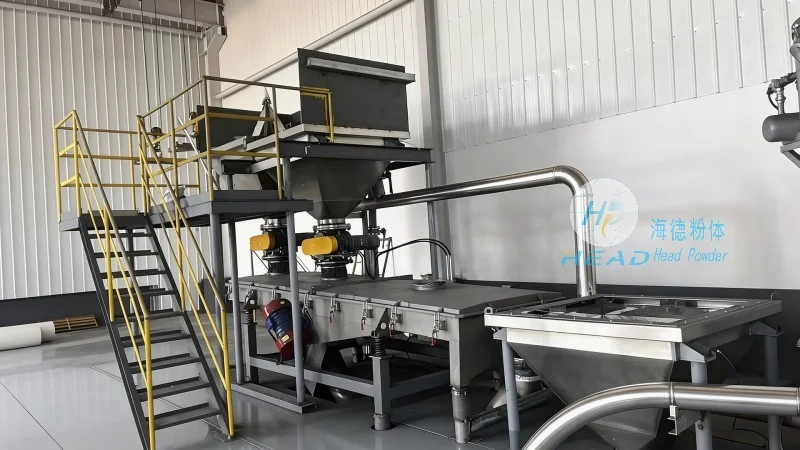
HeadPowder: A Leader in Pneumatic Conveying Solutions
HeadPowder, a leading engineering company based in Shandong, China, specializes in the design, manufacturing, and implementation of advanced pneumatic conveying solutions. With years of experience in the industry, HeadPowder has developed a comprehensive range of systems tailored to meet the specific needs of clients handling dry yeast and other bulk materials. The company's commitment to innovation and quality ensures that its systems are not only efficient but also durable and cost-effective.
Positive Pressure Pneumatic Conveying Systems
Positive pressure pneumatic conveying systems operate by blowing air or gas into the conveying line, creating a pressure higher than the ambient air pressure. This method is particularly effective for transporting dry yeast over longer distances and through complex piping networks. The high-pressure air stream generates sufficient velocity to move the yeast particles through the system, ensuring consistent flow rates and minimal product degradation. One of the key advantages of positive pressure systems is their ability to handle abrasive or sticky materials, which is often the case with dry yeast. Additionally, these systems can be easily integrated with other processing equipment, such as mixers and reactors, facilitating seamless production workflows.

Negative Pressure Pneumatic Conveying Systems
In contrast, negative pressure pneumatic conveying systems operate by creating a vacuum or low-pressure environment within the conveying line, drawing the dry yeast particles into the system. This approach is ideal for applications where dust control is paramount, as the system captures and contains particles within the sealed line. Negative pressure systems are particularly suitable for short-distance conveying and for handling materials that are sensitive to high pressures or temperatures. They are also more energy-efficient for shorter transport distances, as the power required to maintain the vacuum is generally lower than that needed for high-pressure systems.
Comparative Analysis of Positive and Negative Pressure Modes
When comparing positive and negative pressure pneumatic conveying systems for dry yeast, several factors must be considered. Positive pressure systems typically offer higher conveying capacities and are more suitable for long-distance transport, making them ideal for large-scale production facilities. However, they may require more maintenance due to the higher pressures involved and can be more expensive to install and operate. On the other hand, negative pressure systems are more cost-effective for shorter distances and are better suited for applications where dust containment is a primary concern. They are also less likely to cause product degradation due to the lower pressure environment.
Technical Considerations for Dry Yeast Handling
The choice between positive and negative pressure systems also depends on the specific characteristics of the dry yeast being handled. For instance, if the yeast is highly abrasive or has a tendency to agglomerate, a positive pressure system with robust filtration and cleaning mechanisms may be necessary. Conversely, if the yeast is sensitive to pressure changes or requires a dust-free environment, a negative pressure system with advanced filtration and vacuum control may be more appropriate. HeadPowder's technical team conducts thorough assessments of client requirements to recommend the most suitable system configuration, ensuring optimal performance and reliability.
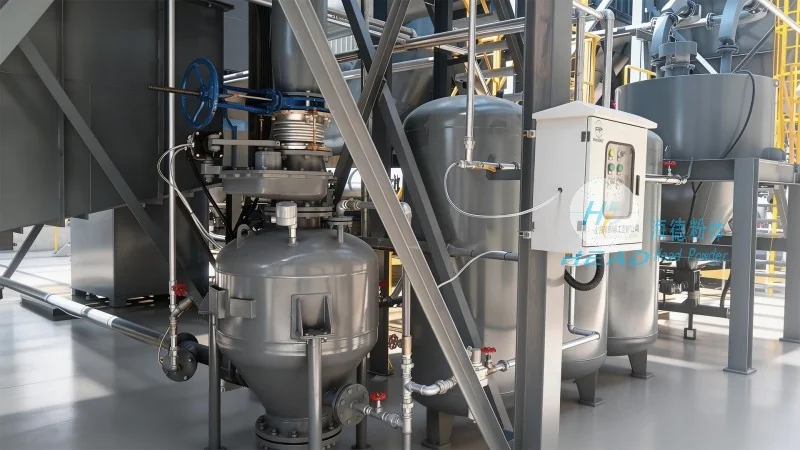
Implementation and Maintenance Support
HeadPowder provides comprehensive support throughout the entire process of implementing a dry yeast pneumatic conveying system. From initial system design and engineering to installation and commissioning, the company's experts work closely with clients to ensure that the system meets all operational and safety standards. Regular maintenance and servicing are also crucial for maintaining the efficiency and longevity of the system. HeadPowder offers maintenance contracts and technical support services to help clients optimize system performance and minimize downtime.
Conclusion
In conclusion, the selection of a pneumatic conveying system for dry yeast depends on a careful evaluation of operational requirements, material characteristics, and cost considerations. Both positive and negative pressure systems have their unique advantages and are suitable for different applications. HeadPowder, with its expertise and experience, offers tailored solutions that address the specific needs of clients, ensuring efficient and reliable dry yeast transportation. By understanding the technical differences between these systems, industry professionals can make informed decisions that enhance productivity and product quality.