

What is a Desulfurization Gypsum Pneumatic Conveying System and Its Design Principles?
Desulfurization gypsum, a byproduct of flue gas desulfurization processes in thermal power plants and other industrial facilities, requires efficient handling and transportation. The desulfurization gypsum pneumatic conveying system is a specialized equipment solution designed to address these challenges. This system utilizes air as the conveying medium to transport gypsum powder from the desulfurization unit to storage or processing locations. The design of such a system involves several key components and principles that ensure reliable, efficient, and safe operation.

Key Components of a Desulfurization Gypsum Pneumatic Conveying System
The desulfurization gypsum pneumatic conveying system typically consists of several core components that work in tandem to achieve effective material transport. The primary components include a dust collector or cyclone separator to remove entrained particles from the air stream, a conveying pipeline network that transports the gypsum powder, a blower or fan to generate the necessary air pressure, and a hopper or feeder to control the material flow rate. Additionally, the system may incorporate a filter or baghouse to ensure air quality compliance and a control system to regulate the operation of the blower and feeder.
Design Principles for Efficient Gypsum Conveying
The design of a desulfurization gypsum pneumatic conveying system is guided by several fundamental principles to optimize performance and minimize operational issues. One key principle is the selection of appropriate air velocity within the conveying pipeline. The air velocity must be high enough to prevent material settling or blockages but low enough to avoid excessive wear on the system components. Typically, air velocities range from 20 to 30 meters per second for fine gypsum powders, ensuring a balance between conveying efficiency and energy consumption.
Another critical design principle is the proper sizing of the conveying pipeline. The diameter of the pipeline is determined based on the material flow rate, particle size, and air velocity. Larger pipelines are used for higher flow rates to reduce pressure drop and energy costs. The pipeline material is usually selected for its resistance to corrosion and abrasion, as gypsum is a mildly abrasive material that can cause wear over time. Stainless steel or special alloys are commonly used for the pipeline to ensure durability and longevity.
Feeder and Hopper Design Considerations
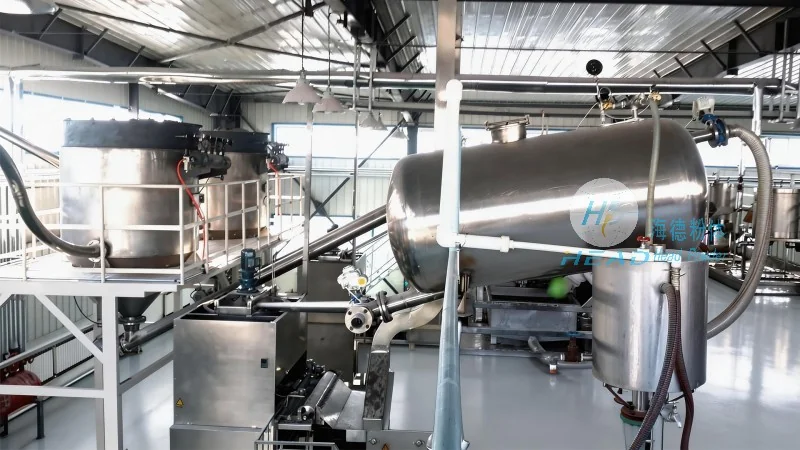
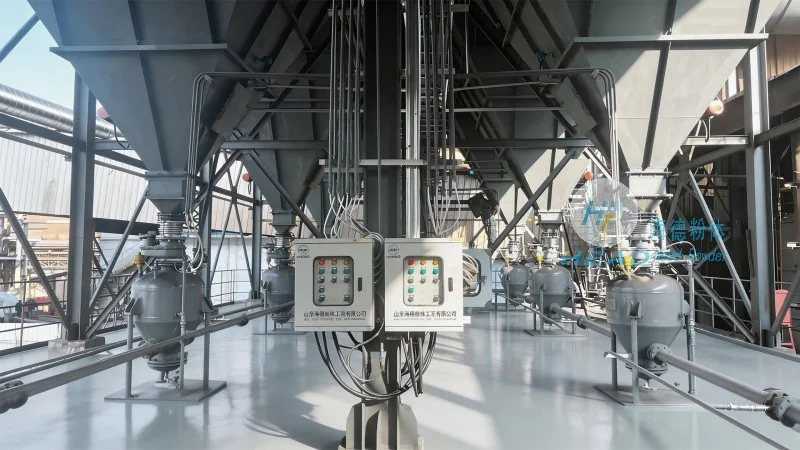
The feeder and hopper are crucial components that control the material feed rate and prevent blockages. The hopper is designed with a conical or wedge shape to facilitate the flow of gypsum powder and prevent agglomeration. It often includes a vibration or agitation mechanism to break up any clumps that may form during storage. The feeder, typically a rotary valve or a screw feeder, regulates the material discharge from the hopper into the conveying pipeline. The design of the feeder must ensure a consistent flow rate to maintain stable air pressure and prevent surges or drops in the system.
Blower and Air System Design
The blower or fan is the heart of the pneumatic conveying system, responsible for generating the air pressure needed to move the gypsum powder. The choice of blower type depends on the system's requirements, such as the required air volume and pressure. Centrifugal blowers are commonly used for this application due to their ability to handle large volumes of air at moderate pressures. The blower is typically equipped with a variable frequency drive (VFD) to allow for adjustment of the air flow rate, enabling the system to adapt to varying material feed rates and pipeline conditions.
Filter and Air Quality Control
As gypsum is a fine powder, the air stream leaving the conveying system contains entrained particles that must be removed to comply with environmental regulations and maintain system cleanliness. The filter system, often a baghouse or a cartridge filter, captures these particles and returns clean air to the environment. The filter design must be capable of handling the dust load without frequent maintenance or replacement. Regular cleaning of the filter is essential to maintain system efficiency and prevent pressure drop, which can reduce conveying performance.
System Integration and Control
The desulfurization gypsum pneumatic conveying system is often integrated with the overall plant control system to ensure seamless operation. The control system monitors key parameters such as air pressure, material flow rate, and filter status, and automatically adjusts the operation of the blower and feeder as needed. This integration helps to optimize energy consumption, prevent system failures, and ensure safe operation. The control system may also include alarms and safety interlocks to prevent overpressure or other hazardous conditions.
Advantages of Using a Pneumatic Conveying System for Gypsum
Compared to traditional mechanical conveying methods, such as belt conveyors or screw conveyors, the pneumatic conveying system offers several advantages for handling desulfurization gypsum. One of the primary advantages is the ability to transport the material over long distances without the need for multiple transfer points. This reduces the overall footprint of the system and simplifies the layout of the plant. Additionally, the system is less prone to material blockages and can handle fine or abrasive powders more effectively. The pneumatic system also provides better dust containment, reducing the risk of environmental contamination and improving workplace safety.
Applications and Industries
The desulfurization gypsum pneumatic conveying system is widely used in various industries where flue gas desulfurization is employed. The most common application is in thermal power plants, where the system transports gypsum from the desulfurization unit to storage facilities or to be used as a raw material in the production of gypsum board. Other applications include industrial facilities such as cement plants, where gypsum is used as a set retarder, and in the manufacturing of building materials. The system's versatility allows it to be adapted to different plant layouts and material flow requirements.
Maintenance and Operational Considerations
Proper maintenance is essential to ensure the long-term reliability and efficiency of the desulfurization gypsum pneumatic conveying system. Regular inspection of the pipeline for signs of wear or corrosion is necessary to prevent leaks or blockages. The blower and feeder components should be checked for wear and replaced as needed to maintain optimal performance. The filter system must be cleaned or replaced regularly to avoid excessive pressure drop and ensure air quality compliance. Additionally, the system should be operated within the recommended parameters to avoid overloading or damage to components. Proper training of operators on the system's operation and maintenance is crucial to prevent accidents and ensure safe operation.
Conclusion
The desulfurization gypsum pneumatic conveying system is a critical piece of equipment for handling the byproduct of flue gas desulfurization. Its design is based on fundamental principles of pneumatic conveying, including air velocity, pipeline sizing, and component selection. The system's advantages, such as long-distance transport, reduced blockages, and better dust containment, make it an ideal solution for industrial applications. Proper design, integration, and maintenance are essential to ensure the system operates efficiently and reliably, contributing to the overall environmental and operational goals of the facility.