

Principle and Working Scene Characteristics of Pearl Sand Pneumatic Conveying Machine
HeadPowder, a leading manufacturer based in Shandong, China, specializes in the design and production of advanced pneumatic conveying systems. This article focuses on the principle and working scene characteristics of the Pearl Sand Pneumatic Conveying Machine, a key product offered by the company.

Introduction to Pearl Sand Pneumatic Conveying Machine
The Pearl Sand Pneumatic Conveying Machine is an efficient and reliable equipment designed for the transportation of fine powders, such as pearl sand, in industrial applications. It operates based on the principle of air flow to move materials from one location to another without the need for mechanical components like belts or chains. This design not only enhances operational efficiency but also reduces maintenance costs and improves safety in the workplace.
Core Working Principle
The machine utilizes a pneumatic conveying system where compressed air is used to create a flow that propels the material through a pipeline. The process typically involves a hopper where the material is stored, a blower or air compressor that generates the necessary air pressure, and a pipeline network that transports the material to the destination. The air flow is controlled to ensure the material is conveyed smoothly without clogging or degradation. The system can be either positive pressure or negative pressure, depending on the specific requirements of the application. Positive pressure systems push the material forward using compressed air, while negative pressure systems create a vacuum to pull the material. For pearl sand, which is a fine and potentially abrasive material, a positive pressure system is often preferred as it provides better control and reduces the risk of material degradation.

Key Components and Their Functions
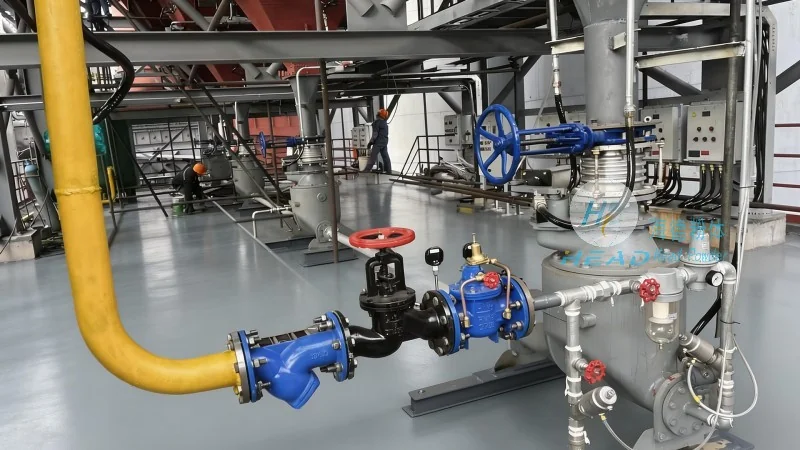
The Pearl Sand Pneumatic Conveying Machine consists of several critical components that work together to ensure effective operation. The main components include the material hopper, which holds the pearl sand and allows for easy feeding; the air compressor or blower, which generates the air pressure needed for conveying; the pipeline system, which transports the material from the hopper to the discharge point; the control valve, which regulates the air flow and pressure; and the filter and separator, which remove any excess moisture or fine particles from the air to prevent contamination and maintain system efficiency. Each component plays a vital role in the overall performance of the machine, and their proper integration is essential for optimal operation.
Working Scene Characteristics
The working scene characteristics of the Pearl Sand Pneumatic Conveying Machine are tailored to meet the specific needs of industrial environments where fine powders are handled. These characteristics include high efficiency in material transport, low maintenance requirements, and the ability to handle abrasive materials like pearl sand without causing wear and tear on the system components. The machine is suitable for applications in industries such as ceramics, pharmaceuticals, food processing, and chemical manufacturing, where the transportation of fine powders is critical. In these working scenes, the machine operates in a controlled environment, often enclosed to prevent dust dispersion and ensure compliance with safety regulations. The system can be integrated into existing production lines, allowing for seamless material transfer from one process to another. The flexibility of the pneumatic conveying system also allows for easy adjustments to the conveying rate and distance, making it adaptable to various production requirements.
Advantages in Industrial Applications
When compared to traditional mechanical conveying methods, the Pearl Sand Pneumatic Conveying Machine offers several advantages that make it a preferred choice in industrial settings. One of the primary advantages is the ability to handle fine and abrasive materials without the risk of material degradation or equipment damage. The system is also more hygienic and cleaner, as it eliminates the need for manual handling and reduces the risk of cross-contamination. Additionally, the machine operates with minimal noise and vibration, contributing to a safer and more comfortable working environment. The low maintenance requirements and long service life of the equipment further enhance its cost-effectiveness, making it an attractive investment for businesses looking to improve their material handling processes.
Application Examples
The Pearl Sand Pneumatic Conveying Machine is widely used in various industrial applications where the efficient transportation of fine powders is essential. For example, in the ceramics industry, it is used to transport pearl sand from storage silos to production lines, ensuring a consistent supply of raw materials. In the pharmaceutical industry, the machine is employed to convey fine powders used in the manufacturing of drugs, maintaining the purity and quality of the materials. In food processing, it is used to transport ingredients like pearl sand used in the production of snacks or beverages, ensuring that the materials are handled hygienically and without contamination. These applications highlight the versatility and reliability of the machine in different industrial environments.
Conclusion
In conclusion, the Pearl Sand Pneumatic Conveying Machine, manufactured by Shandong HeadPowder Engineering Co., Ltd. in China, is a highly efficient and reliable equipment designed for the transportation of fine powders. Its working principle, based on pneumatic conveying, offers numerous advantages over traditional mechanical methods, including high efficiency, low maintenance, and the ability to handle abrasive materials. The machine is suitable for a wide range of industrial applications and is an essential component in modern production lines. With its advanced design and robust construction, the Pearl Sand Pneumatic Conveying Machine provides businesses with a cost-effective and sustainable solution for their material handling needs.