

Operation Process and Working Principle of Barley Malt Powder Pneumatic Conveying
Barley malt powder pneumatic conveying is a critical technology in the processing and handling of malt powders, ensuring efficient and reliable material transport from storage to processing units. This article provides an in-depth exploration of the operation process and working principles of such systems, tailored for professionals in the malt and food processing industries.

Company Profile and Expertise
HeadPowder, a leading provider in the field, specializes in engineering solutions for pneumatic conveying systems. With a strong presence in Shandong, China, the company has built a reputation for delivering high-quality, customized equipment tailored to the unique demands of malt processing. The company’s commitment to precision and efficiency is evident in its design and implementation of pneumatic conveying systems, which are essential for maintaining product integrity and operational stability.
Understanding Pneumatic Conveying Systems
Pneumatic conveying systems utilize air or gas to transport dry powders like barley malt powder through a pipeline network. This method offers several advantages over traditional mechanical conveying, including reduced risk of product contamination, lower maintenance requirements, and the ability to handle materials with high moisture content or sensitive characteristics. The core components of a typical pneumatic conveying system include a hopper for material storage, a feeder to control the flow rate, a compressor to generate the conveying air, and a pipeline network that transports the powder to the destination point.

Operation Process of Barley Malt Powder Pneumatic Conveying
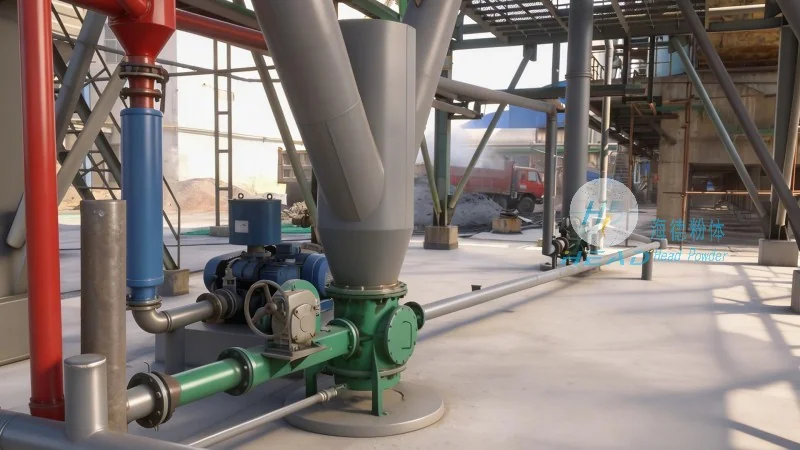
The operation process of a barley malt powder pneumatic conveying system involves several sequential steps. Initially, the malt powder is fed from a storage hopper into a rotary or vibratory feeder, which regulates the material flow rate to match the system’s capacity. The feeder then delivers the powder into a venturi or a pressure vessel where it is mixed with the conveying air. The air-powder mixture is then accelerated through the pipeline network, traveling to the receiving hopper or processing unit. At the destination, a separator or cyclone separates the powder from the air, allowing the malt powder to be collected while the air is either recirculated or vented to the atmosphere.
Working Principle of the System Components
Each component of the pneumatic conveying system plays a crucial role in the overall operation. The hopper ensures a consistent supply of malt powder, preventing material bridging or caking that could disrupt the process. The feeder maintains a controlled flow rate, which is critical for preventing overloading the system and ensuring stable conveying. The compressor generates the necessary air pressure to move the powder through the pipeline; the choice of compressor type (e.g., rotary lobe or screw) depends on the system’s capacity and the specific characteristics of the malt powder. The pipeline network, typically made of stainless steel or other corrosion-resistant materials, is designed to handle the abrasive nature of malt powders and maintain air pressure. The separator or cyclone at the end of the pipeline efficiently separates the powder from the air, minimizing dust emissions and ensuring the purity of the conveyed material.
Benefits and Applications in Malt Processing
Pneumatic conveying systems for barley malt powder offer numerous benefits, including improved product quality, reduced labor costs, and enhanced operational flexibility. These systems are widely used in malt processing plants for transporting malt from storage silos to milling equipment, from the mill to the mash tun, and for handling spent grains. The ability to handle powders with varying moisture content and particle sizes makes pneumatic conveying an ideal solution for malt processing, where product consistency and purity are paramount.
Conclusion
HeadPowder Engineering Co., Ltd. provides comprehensive solutions for barley malt powder pneumatic conveying systems, combining advanced technology with expert engineering to meet the specific needs of malt processing facilities. By understanding the operation process and working principles of these systems, processors can optimize their operations, improve efficiency, and maintain the high standards required in the malt industry. The company’s expertise in designing and implementing pneumatic conveying systems ensures reliable and effective material transport, contributing to the overall success of malt processing operations.