

Introduction to Solid Powder Pneumatic Conveying Equipment: Structure and Working Principle
Solid powder pneumatic conveying equipment, as a key component in material handling systems, plays a crucial role in the efficient transportation of bulk solid powders. This equipment is widely used in various industries such as chemical, food, pharmaceutical, and cement, where the safe and reliable transfer of powders is essential for production processes. The technology behind this equipment combines the principles of fluid dynamics and mechanical engineering to achieve the seamless movement of solid materials through a pipeline system.

Key Components and Structure of Pneumatic Conveying Systems
The structure of a typical solid powder pneumatic conveying system consists of several core components that work in tandem to facilitate material transport. The primary components include the material feed hopper, the air supply system (usually an air compressor), the conveying pipeline, and the receiving hopper. The material feed hopper is designed to store and meter the solid powder, ensuring a consistent flow into the system. The air supply system generates the necessary pressure or vacuum to move the material through the pipeline. The conveying pipeline, often made of stainless steel or other corrosion-resistant materials, is the main channel for material transport. The receiving hopper collects the conveyed material at the destination point. Additionally, auxiliary components like filters, cyclones, and pressure regulators may be included to ensure system efficiency and safety.
Working Principle of Pneumatic Conveying
The working principle of solid powder pneumatic conveying equipment is based on the interaction between solid particles and a moving gas stream. There are two main types of pneumatic conveying systems: pressure and vacuum. In pressure systems, compressed air is introduced into the conveying pipeline at the material feed point, creating a high-pressure environment that propels the solid particles forward. The air and solid particles form a mixture known as a "slurry" or "pneumatic slurry," which travels through the pipeline under pressure. In vacuum systems, a vacuum is created at the receiving end, drawing the material from the feed point through the pipeline. The air flow in both systems is carefully controlled to maintain the optimal velocity for material transport, preventing issues like particle segregation or blockages.
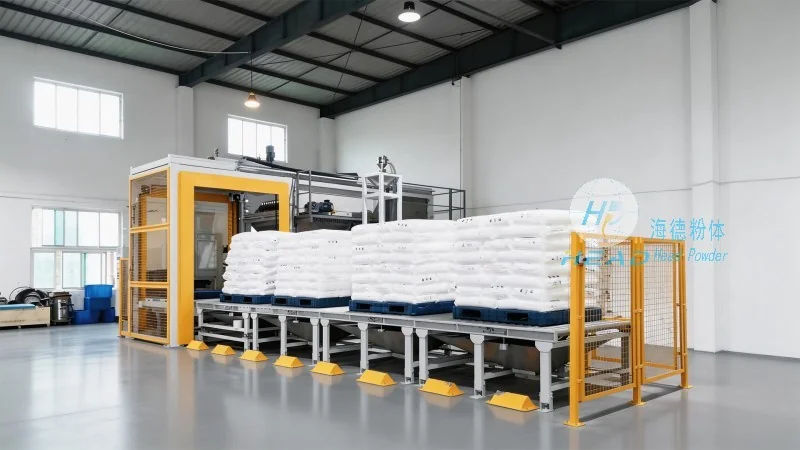
Advantages of Using Pneumatic Conveying Equipment
Compared to traditional mechanical conveying methods like belt conveyors or screw conveyors, solid powder pneumatic conveying equipment offers several advantages. One of the most significant benefits is the ability to transport materials over long distances without the need for multiple transfer points. This reduces the risk of material contamination and loss. Additionally, pneumatic conveying systems are highly flexible, allowing for changes in material flow direction and destination without major modifications. The equipment is also relatively compact, saving space in industrial facilities. Furthermore, it can handle a wide range of materials, including abrasive or corrosive powders, with minimal wear and tear on components. The process is generally clean and dust-free, which is particularly important in industries where product purity is critical, such as food and pharmaceutical manufacturing.

Applications in Industrial Settings
Solid powder pneumatic conveying equipment is applied in a variety of industrial applications where the handling of bulk powders is required. In the chemical industry, it is used to transport raw materials like powders and granules for processing. In the food industry, it facilitates the transfer of ingredients such as flour, sugar, and spices, ensuring hygienic and efficient handling. The pharmaceutical industry utilizes pneumatic conveying for the transport of active pharmaceutical ingredients (APIs) and other powders, maintaining strict contamination control. In the cement industry, it helps in the movement of raw materials and finished products, improving production efficiency. Other applications include the handling of powders in the agricultural, mining, and plastics industries, where the equipment's ability to handle diverse materials is advantageous.
Company Profile: Shandong HeadPowder Engineering Co., Ltd.
HeadPowder, as a professional manufacturer of solid powder pneumatic conveying equipment, is committed to providing high-quality and reliable solutions for material handling needs. With a strong focus on research and development, the company has developed advanced technologies to enhance the performance and efficiency of its conveying systems. HeadPowder's products are designed to meet the specific requirements of various industries, ensuring optimal performance in different operational conditions. The company's headquarters is located in Shandong, China, where it operates a state-of-the-art manufacturing facility equipped with modern production equipment and quality control systems. HeadPowder adheres to international standards and quality management practices, ensuring that its products are durable, efficient, and safe for use in industrial applications.