

Types and Practical Applications of Pneumatic Conveying Systems for Glass Fiber Cellulose Transport
In industrial production, the transport of glass fiber cellulose (glass fiber) is a key link in many manufacturing processes. To handle this high-value material efficiently and safely, pneumatic conveying systems have become indispensable equipment in modern industry. This article will explore different types of pneumatic conveying systems applicable to glass fiber cellulose transport and analyze practical application scenarios, helping industry users better select and implement relevant technical solutions.

Basic Principles and Classification of Pneumatic Conveying Systems
Pneumatic conveying systems transport solid materials (such as glass fiber) from one place to another by using air flow to suspend and convey the material. Based on system pressure differences, pneumatic conveying systems are mainly divided into positive pressure and negative pressure types. Positive pressure systems push material from the starting point to the endpoint by supplying compressed air into the conveying pipeline, while negative pressure systems draw material from the starting point by creating negative pressure inside the pipeline. Additionally, mixed systems combine the characteristics of positive and negative pressure to adapt to more complex transport needs, depending on the transport distance and material properties.
Positive Pressure Pneumatic Conveying System: Suitable for Long-Distance, High-Concentration Transport
Positive pressure pneumatic conveying systems are one of the commonly used types for glass fiber transport. The system compresses air to push material from the feeding point to the receiving point, typically suitable for long-distance and high-concentration transport scenarios. Positive pressure systems feature large transport capacity and long transport distances, effectively handling the granular or fibrous characteristics of glass fiber, reducing material breakage and loss during transport. For example, in the raw material transport of glass fiber production lines, positive pressure systems can efficiently transport glass fiber raw materials from storage warehouses to production workshops, ensuring production continuity and material quality.
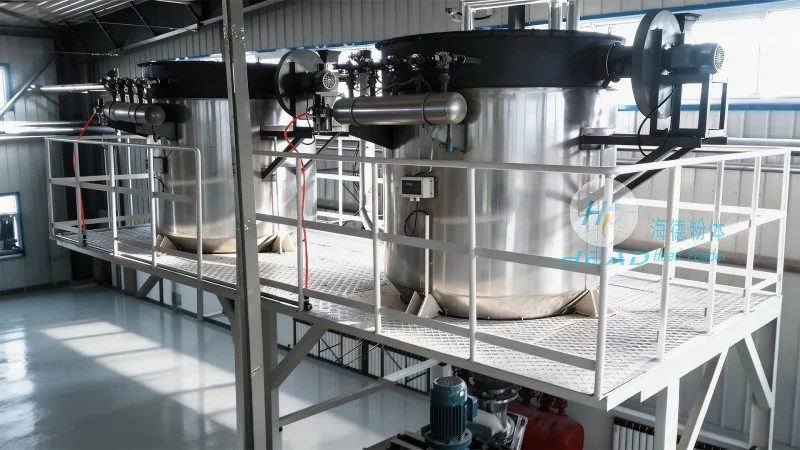
Negative Pressure Pneumatic Conveying System: Suitable for Short-Distance, Dust-Prone Materials
Negative pressure pneumatic conveying systems are suitable for short-distance transport of glass fiber prone to dust generation. The system draws material from the starting point into the pipeline by creating negative pressure inside it, typically used for intra-workshop or short-distance material transfer. Negative pressure systems have the advantages of simple operation and lower environmental requirements, effectively controlling dust during material transport and reducing the impact on operators. For example, in the packaging or sorting of glass fiber products, negative pressure systems can quickly transport packaged glass fiber products from the production line to the warehouse, maintaining material cleanliness and dryness.

Mixed Pneumatic Conveying System: Combining Advantages of Positive and Negative Pressure
Mixed pneumatic conveying systems combine the advantages of positive and negative pressure systems, suitable for more complex glass fiber transport scenarios. The system typically uses positive pressure at the starting point and negative pressure at the endpoint to adapt to different stages of transport. For example, in the long-distance transport of glass fiber raw materials, a mixed system can press the material to an intermediate hopper by positive pressure at the start, then transport it to the final receiving point by negative pressure from the hopper. This system design optimizes transport efficiency, reduces energy consumption, and enhances material transport stability.
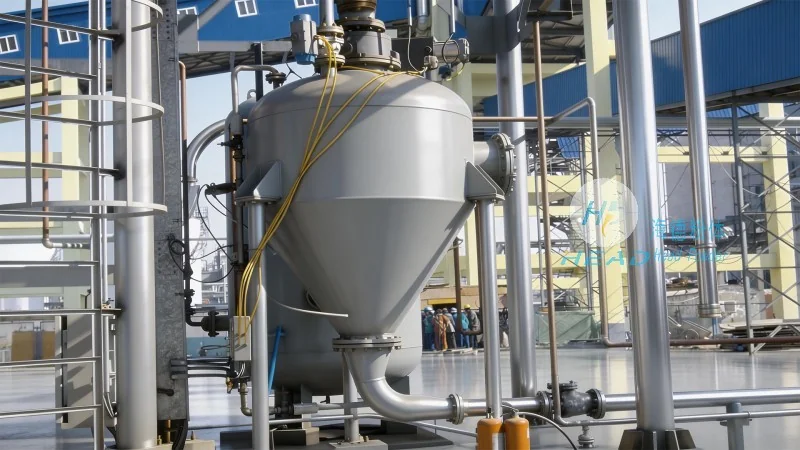
Practical Application Cases: HeadPowder Engineering Company's Solutions
HeadPowder Engineering Company, as a professional manufacturer of pneumatic conveying equipment, provides customized solutions for glass fiber transport. The company is located in Shandong, China, with rich industry experience and an advanced technical team capable of designing, manufacturing, and installing pneumatic conveying systems according to specific customer needs. For instance, a glass fiber production plant needed to transport raw materials from the warehouse to the production workshop. HeadPowder designed a positive pressure pneumatic conveying system for the plant, optimizing pipeline layout and compressed air parameters to achieve efficient and stable material transport, reducing labor costs and material loss. Another glass fiber product enterprise needed to handle dust-prone glass fiber products. HeadPowder provided a negative pressure pneumatic conveying system for the enterprise, effectively controlling dust and improving the safety of the production environment and material quality.
System Advantages and Selection Recommendations
Pneumatic conveying systems have numerous advantages in glass fiber transport, including high transport efficiency, low material loss, simple operation, and strong material adaptability. When selecting a pneumatic conveying system, factors such as transport distance, material properties, transport volume, and environmental requirements should be considered. For long-distance, high-concentration transport, positive pressure systems are ideal; for short-distance, dust-prone materials, negative pressure systems are more suitable; and mixed systems are suitable for complex multi-stage transport needs. Additionally, system design should consider material particle size, moisture, density, and pipeline layout and installation costs to ensure long-term stable operation and economic benefits of the system.