

Classification and Application Analysis of Alumina Crystal Pneumatic Conveying Systems
Alumina, a critical raw material in the production of high-purity aluminum and various industrial applications, requires efficient and reliable material handling solutions. Pneumatic conveying systems have emerged as a preferred method for transporting alumina crystals due to their ability to handle abrasive materials, maintain product integrity, and offer flexible installation options. This article provides a comprehensive classification of alumina crystal pneumatic conveying systems and analyzes their practical applications in industrial settings.

Company Profile: Shandong HeadPowder Engineering Co., Ltd.
HeadPowder, a leading engineering company based in Shandong, China, specializes in the design, manufacturing, and installation of advanced material handling systems. With years of experience in the powder and bulk material industry, HeadPowder has developed a reputation for delivering high-quality pneumatic conveying solutions tailored to the unique needs of clients. The company's headquarters is located in Shandong, China, and it serves a global clientele across various sectors, including aluminum production, chemical processing, and pharmaceuticals.

Classification of Pneumatic Conveying Systems for Alumina Crystals
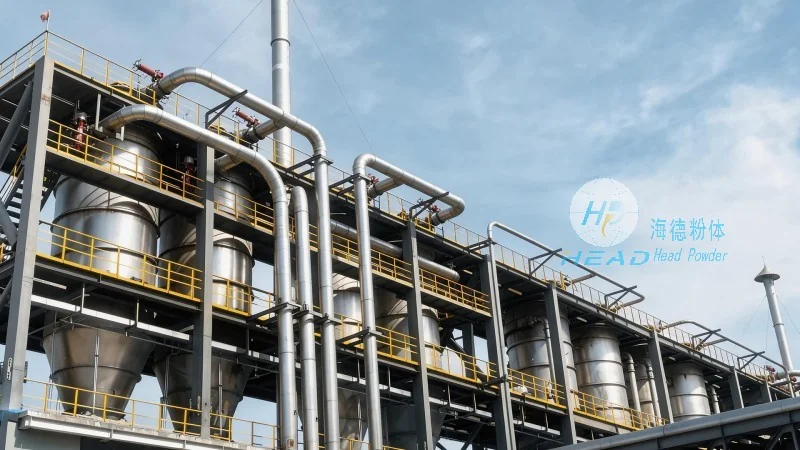
Pneumatic conveying systems for alumina crystals can be broadly classified into two main categories: positive pressure systems and negative pressure (or vacuum) systems. Positive pressure systems operate by blowing air or gas into the conveying line, pushing the material forward. These systems are suitable for long-distance transport and can handle a wide range of particle sizes and flow rates. Negative pressure systems, on the other hand, use suction to draw material into the system, making them ideal for applications where dust control and product containment are paramount. Both types of systems have distinct advantages and are selected based on factors such as material properties, system layout, and operational requirements.

Application Analysis of Alumina Crystal Pneumatic Conveying Systems
Alumina crystal pneumatic conveying systems find extensive application in the aluminum industry, where they are used to transport raw alumina from storage silos to processing units. In chemical plants, these systems facilitate the handling of alumina in reaction processes, ensuring a consistent feed rate and minimizing material loss. The systems are also employed in pharmaceutical and food processing industries, where the hygienic design and low contamination risk of pneumatic conveying are critical. For instance, in aluminum smelting facilities, the positive pressure conveying system efficiently moves large quantities of alumina from the raw material storage area to the smelting furnace, enhancing production efficiency and reducing labor costs. In chemical manufacturing, the negative pressure system is preferred for handling fine alumina powders, as it prevents dust dispersion and maintains a clean working environment.
Technical Advantages and Practical Benefits
The adoption of alumina crystal pneumatic conveying systems offers several technical advantages and practical benefits. Firstly, these systems eliminate the need for mechanical components such as conveyor belts or buckets, reducing maintenance costs and minimizing the risk of material contamination. The enclosed conveying process ensures that alumina crystals remain dry and free from moisture, which is essential for maintaining their chemical properties. Secondly, pneumatic conveying systems provide high flexibility in system design, allowing for horizontal, vertical, or mixed-direction transport. This adaptability enables the integration of conveying lines with existing plant infrastructure, reducing installation time and costs. Additionally, the systems are capable of handling abrasive materials like alumina without significant wear and tear, extending the lifespan of components and reducing downtime. From an operational perspective, pneumatic conveying systems offer improved safety by containing dust and preventing exposure to workers, thereby complying with industrial safety regulations.
Conclusion and Future Outlook
In conclusion, the classification and application analysis of alumina crystal pneumatic conveying systems highlight their significance in modern industrial operations. The systems, developed by companies like Shandong HeadPowder Engineering Co., Ltd., offer efficient, reliable, and cost-effective solutions for handling alumina crystals. As the demand for high-purity aluminum and advanced industrial materials continues to grow, the importance of sophisticated material handling technologies will only increase. Future developments in pneumatic conveying systems may focus on enhancing energy efficiency, improving material handling capacity, and integrating advanced control systems for better process optimization. The continued innovation in this field will undoubtedly contribute to the sustainable and efficient operation of industrial facilities worldwide.