

What is a PTFE Pneumatic Conveying System? Understanding Its Design Principles
A PTFE (Polytrifluorochloroethylene) pneumatic conveying system is a specialized industrial solution designed to transport bulk materials through a pressurized or vacuum environment using air or other gases. This technology is particularly valuable in industries where materials are sensitive to moisture, heat, or contamination, as PTFE's chemical inertness and non-stick properties make it an ideal choice for handling a wide range of substances, from powders and granules to fine particles. The system's design integrates advanced engineering principles to ensure efficient, reliable, and safe material transfer, addressing the unique challenges of modern manufacturing processes.

Key Components of a PTFE Pneumatic Conveying System
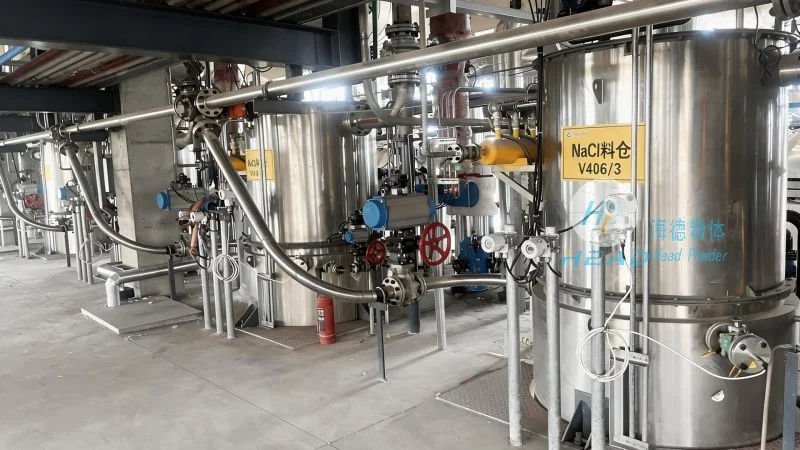
The core components of a PTFE pneumatic conveying system typically include a material hopper or feeder, a conveying line (often lined with PTFE for corrosion resistance), a pressure or vacuum source (such as a blower or vacuum pump), and a control system. The material hopper is designed to store and feed the bulk material into the system, while the PTFE-lined conveying line prevents material adhesion and ensures smooth flow. The pressure source generates the necessary airflow to move the material through the line, and the control system monitors and adjusts the system's operation for optimal performance. Additional components may include filters, cyclones, or dust collectors to manage air quality and material separation.
Working Principle of the System
The operation of a PTFE pneumatic conveying system relies on the principle of fluidization and suspension. When air is introduced into the conveying line at a controlled pressure, it creates a fluidized bed within the material hopper, allowing the bulk material to become suspended in the air stream. This suspension allows the material to be transported through the line with minimal friction and resistance. The system can operate in either pressure or vacuum mode: in pressure mode, air is forced into the system, pushing the material forward; in vacuum mode, air is drawn out, creating a negative pressure that pulls the material into the line. The choice between pressure and vacuum depends on the material's properties, the distance to be conveyed, and the system's design constraints.

Design Considerations and Technical Advantages
Designing a PTFE pneumatic conveying system involves careful consideration of several factors, including material compatibility, system pressure, and conveying distance. PTFE's chemical resistance to acids, bases, and solvents makes it suitable for handling aggressive materials, while its low coefficient of friction reduces wear and maintenance costs. The system's design also incorporates features to minimize material degradation, such as gentle handling and low shear forces, which is critical for heat-sensitive or delicate materials. Additionally, PTFE's non-stick properties prevent material buildup on the conveying line, ensuring consistent flow and reducing the risk of clogs or blockages. These technical advantages make PTFE pneumatic conveying systems a preferred choice for industries such as pharmaceuticals, food processing, and chemical manufacturing.
Application Scenarios and Industry Benefits
PTFE pneumatic conveying systems are widely used in various industries due to their versatility and efficiency. In the pharmaceutical industry, they are used to transport active pharmaceutical ingredients (APIs) and excipients, ensuring that the materials remain sterile and free from contamination. In food processing, they handle ingredients like spices, powders, and granules, maintaining product quality and safety. The chemical industry utilizes these systems for transporting corrosive or reactive materials, leveraging PTFE's resistance to chemical attack. The benefits of PTFE pneumatic conveying systems extend beyond material handling, as they reduce labor costs by automating the transfer process, minimize material loss through efficient containment, and improve overall production throughput. These advantages contribute to increased productivity and reduced operational costs for businesses.
About HeadPowder Engineering and Their Expertise
Shandong HeadPowder Engineering Co., Ltd., a leading provider of industrial material handling solutions, specializes in designing and manufacturing PTFE pneumatic conveying systems tailored to the specific needs of their clients. With years of experience in the field, HeadPowder Engineering combines advanced engineering knowledge with innovative design to deliver high-performance systems that meet the most demanding industrial requirements. The company's team of experts works closely with clients to understand their unique challenges and develop customized solutions that optimize material transfer efficiency, reduce downtime, and enhance overall operational safety. HeadPowder Engineering's commitment to quality and customer satisfaction has established them as a trusted partner in the industry, providing reliable and durable PTFE pneumatic conveying systems that deliver long-term value.