

What is a Petrochemical Powder Conveying Line? What are its Design Principles?
For industrial operations in the petrochemical sector, efficient and reliable powder handling is crucial. A petrochemical powder conveying line is a specialized system designed to transport bulk powders such as chemicals, plastics, minerals, and other fine materials. These systems are engineered to meet the stringent requirements of the industry, ensuring safety, efficiency, and durability. In this article, we will explore what a petrochemical powder conveying line is and delve into its core design principles.

Introduction to Petrochemical Powder Conveying Lines
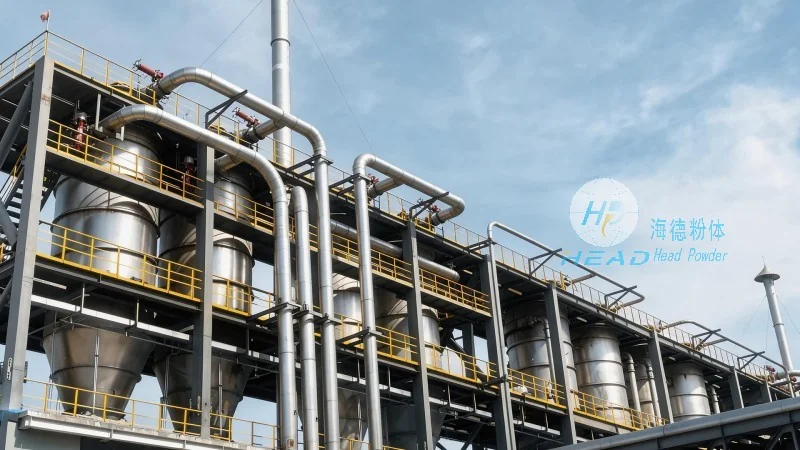
HeadPowder, a leading engineering company based in Shandong, China, specializes in the design, manufacturing, and installation of advanced powder handling systems. With years of experience serving the petrochemical industry, HeadPowder understands the unique challenges associated with transporting powders in hazardous environments. A petrochemical powder conveying line typically consists of several key components, each playing a vital role in the overall operation. These components include feeders, conveyors, control systems, and safety features, all working in harmony to ensure smooth and safe material transport.
Key Components of a Petrochemical Powder Conveying Line
The design of a petrochemical powder conveying line begins with the selection of appropriate equipment for each stage of the process. The first component is often a feeder, which is responsible for feeding the powder into the system. Common types of feeders include screw feeders, vibratory feeders, and rotary valves. These devices ensure a consistent and controlled flow of material, preventing blockages and maintaining system stability. The choice of feeder depends on the characteristics of the powder, such as its density, flowability, and moisture content. For example, a screw feeder is ideal for free-flowing powders, while a vibratory feeder is better suited for cohesive or sticky materials.
Next in the system is the conveyor itself. There are two primary types of conveyors used in petrochemical applications: mechanical and pneumatic. Mechanical conveyors, such as belt conveyors or chain conveyors, are commonly used for short to medium distances and heavy loads. They are robust and reliable, making them suitable for transporting large quantities of powder. Pneumatic conveyors, on the other hand, use air or other gases to move the material through a pipeline. This method is ideal for long-distance transport and for materials that are sensitive to mechanical contact or contamination. Pneumatic systems can be further classified into pressure, vacuum, or mixed-type systems, each offering different advantages in terms of efficiency and cost.

Design Principles for Safety and Efficiency
When designing a petrochemical powder conveying line, safety is the top priority. The system must be engineered to prevent dust explosions, which are a major hazard in the petrochemical industry. To achieve this, several design principles are applied. First, the system is often constructed with explosion-proof components, such as motors, controls, and sensors. These components are rated to withstand the pressure and temperature of an explosion, ensuring that the system remains operational even in the event of a hazard. Second, the system incorporates dust suppression and explosion venting mechanisms. Dust suppression systems use inert gases or water to reduce the concentration of combustible dust in the air, while explosion venting allows pressure to be released safely without damaging the equipment.
Another critical design principle is the selection of materials that are resistant to corrosion and wear. Petrochemical powders often contain chemicals that can be aggressive to metal surfaces. Therefore, components such as hoppers, pipelines, and valves are typically made from stainless steel, special alloys, or coated materials. These materials provide long-term durability and prevent contamination of the product. Additionally, the system is designed to minimize friction and wear, which can lead to material degradation and equipment failure. This is achieved through the use of smooth surfaces, proper lubrication, and regular maintenance.
Control Systems and Automation
Modern petrochemical powder conveying lines are highly automated, with control systems that monitor and regulate the entire process. These systems typically use programmable logic controllers (PLCs) and human-machine interfaces (HMIs) to provide real-time data on system performance. The control system can adjust the speed of the feeder, the pressure in the pneumatic line, and the position of the valves, ensuring optimal operation. Automation also enhances safety by detecting abnormalities and shutting down the system in case of an emergency. For example, if a pressure sensor detects an abnormal increase in pressure, the control system will automatically stop the feeder and alert operators. This proactive approach minimizes the risk of accidents and ensures continuous operation.
Customization and Application Examples
HeadPowder recognizes that each petrochemical facility has unique requirements, and therefore, they offer customized powder conveying solutions. The company works closely with clients to understand their specific needs, such as the type of powder, the required capacity, and the distance to be covered. Based on this information, HeadPowder designs a system that meets all the technical and safety standards. For instance, a petrochemical plant may need to transport a corrosive chemical powder over a long distance. HeadPowder would design a pneumatic conveying system with stainless steel pipelines and explosion-proof controls to handle this application. Another example is a plastic manufacturing plant that requires a mechanical conveyor to transport raw plastic pellets. HeadPowder would select a belt conveyor with a high-capacity feeder to ensure efficient material handling.
Conclusion
A petrochemical powder conveying line is a sophisticated system that combines engineering expertise with safety considerations to transport bulk powders efficiently. The design principles discussed above, including the selection of appropriate components, material resistance, and automation, are essential for creating a reliable and safe system. Companies like HeadPowder play a vital role in providing these solutions, helping petrochemical facilities operate at their peak performance while minimizing risks. As the industry continues to evolve, the importance of advanced powder handling systems will only grow, making them indispensable for modern petrochemical operations.