

What is a Dust Powder Pneumatic Conveying Equipment? What Are Its Design Principles?
In industrial settings, the efficient and safe handling of dust and powder materials is a critical challenge. Dust powder pneumatic conveying equipment offers a sophisticated solution to this problem, enabling the transport of dry, fine materials through a pipeline using air pressure or vacuum. This technology has become increasingly vital across various sectors, including pharmaceuticals, food processing, chemicals, and mining, where traditional methods like belt conveyors may not be suitable due to concerns over dust contamination, material degradation, or operational inefficiencies. The equipment is designed to provide a closed, controlled environment for material transport, ensuring minimal exposure to the environment and maintaining product quality throughout the process.

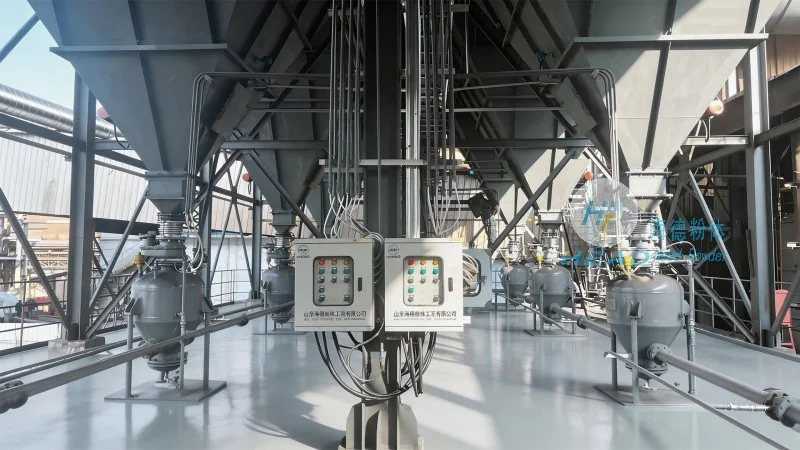

Core Design Principles of Pneumatic Conveying Systems
The fundamental design principle of a pneumatic conveying system is centered on the use of air as the conveying medium. There are two primary operational modes: pressure and vacuum systems. In pressure systems, compressed air is used to push material through the pipeline, typically from a hopper or feeder. The air pressure is maintained at a level sufficient to overcome the material's resistance and move it along the pipeline. In vacuum systems, a vacuum is created at the discharge end, drawing material from the source into the pipeline. The choice between these modes depends on factors such as the material's properties, the distance to be covered, and the required flow rate. For dust and powder applications, the system is often designed as a pressure system, as it provides better control over the material flow and reduces the risk of material settling in the pipeline. The design must also consider the material's particle size distribution, as fine powders may require higher air velocities to prevent clogging, while larger particles may need lower velocities to avoid excessive wear on the pipeline and components. The system's components, including the hopper, feeder, pipeline, and control valve, are all engineered to work in harmony to ensure efficient and reliable material transport.
Components and Functional Aspects of the Equipment
HeadPowder Engineering Co., Ltd., a reputable manufacturer based in Shandong, China, specializes in the development and production of high-quality dust powder pneumatic conveying equipment. The company's products are built with precision-engineered components that are resistant to corrosion, abrasion, and wear, ensuring long-term performance in harsh industrial environments. The core components of the system include a material hopper equipped with a controlled feeder, which regulates the flow of the powder into the system. The feeder is typically designed as a rotary valve or a screw feeder, providing consistent material feed and preventing blockages. The conveyor line is constructed from materials such as stainless steel or high-grade plastic, which are chosen based on the material's properties and the required level of hygiene. The pipeline may include bends, expansion joints, and filters to accommodate changes in direction and to prevent dust leakage. The control valve, often a butterfly or ball valve, regulates the air pressure or vacuum levels, allowing for precise control over the material flow rate. The receiver or discharge unit is designed to safely collect the material at the end of the pipeline, often with a dust collection system to comply with environmental regulations. The integration of these components ensures a seamless and efficient material transport process, minimizing downtime and maintenance costs.