

Working Principle and Features of Small Stone Powder Conveying System Equipment
Small stone powder conveying systems are essential in various industrial applications, particularly in sectors dealing with bulk materials like construction aggregates, mining, and chemical processing. These systems are designed to efficiently transport fine powders and small particulate materials over long distances with minimal loss and high reliability. The following content will explore the working principle and key features of such equipment, providing insights into how they operate and why they are preferred in modern industrial settings.

Working Principle of Small Stone Powder Conveying Systems
The core mechanism of small stone powder conveying systems typically involves a combination of mechanical and pneumatic components, tailored to handle the specific characteristics of fine powders. The system generally operates through the following steps:
First, the material is fed into a hopper or feeder where it is uniformly distributed. From there, the material is introduced into a conveying line, which may be a tube or a duct. In many systems, a positive pressure or negative pressure (vacuum) is applied to move the powder through the line. The conveying medium, often air or a gas, is used to create the necessary flow, while the material is suspended and transported. The design of the conveying line, including its diameter, length, and bends, is critical to maintaining the flow rate and preventing material buildup or blockages.
For systems that utilize mechanical conveyors, such as screw conveyors or belt conveyors, the principle involves using rotating components to push or pull the material along a path. These mechanical systems are often more suitable for larger or more abrasive materials, but they can also be adapted for fine powders with appropriate modifications. The choice between pneumatic and mechanical systems depends on factors like material properties, distance, and environmental considerations.
Key Features of Small Stone Powder Conveying Systems
Small stone powder conveying systems from Shandong HeadPowder Engineering Co., Ltd. (referred to as HeadPowder) are engineered with several distinct features that enhance performance and reliability. These features are designed to address common challenges in powder handling, such as dust control, material segregation, and system efficiency.
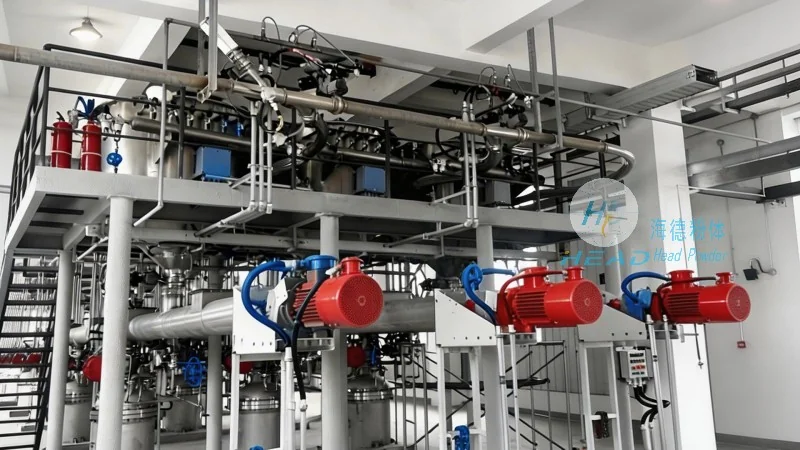
One of the primary features is the advanced control system, which allows for precise regulation of the conveying rate and pressure. This ensures consistent material flow and prevents overloading or underloading of the system. The control system may include sensors to monitor pressure, flow rate, and material level, providing real-time feedback for adjustments.
Another notable feature is the robust construction and material compatibility. The components are typically made from corrosion-resistant materials like stainless steel or high-grade plastics, which are suitable for handling various types of powders without degradation. This durability ensures long-term operation and reduces maintenance costs.
Dust control is a critical aspect of powder conveying systems, and HeadPowder's equipment incorporates effective dust suppression mechanisms. These may include sealed enclosures, air filtration systems, and anti-static features to prevent dust accumulation and ensure workplace safety. The systems are designed to meet environmental regulations and maintain a clean operating environment.

Efficiency and energy savings are also key considerations. Modern small stone powder conveying systems are optimized to minimize energy consumption while maximizing throughput. This is achieved through efficient air compression, reduced friction in the conveying line, and intelligent control algorithms that adjust operation based on demand.
Application and Benefits in Industrial Settings
Small stone powder conveying systems are widely used in industries where bulk material handling is essential. In the construction industry, they are used to transport sand, cement, and other fine aggregates to job sites, improving material distribution and reducing manual labor. In mining operations, these systems help transport ore powders from processing plants to storage or further processing facilities, enhancing operational efficiency.
The benefits of using such systems extend beyond efficiency. They reduce material loss and contamination, which is crucial for maintaining product quality. Additionally, the systems contribute to a safer working environment by minimizing dust exposure and eliminating the need for manual handling of heavy or hazardous materials.
HeadPowder's commitment to quality and innovation is reflected in the design and manufacturing of their small stone powder conveying systems. By integrating advanced technology and adhering to strict quality standards, they provide solutions that meet the evolving needs of industrial applications. The company's headquarters is located in Shandong, China, where they continue to develop and refine their products to deliver reliable and efficient material handling solutions.