

Working Principle and Features of Fully Automatic Material Feeding and Conveying System Equipment
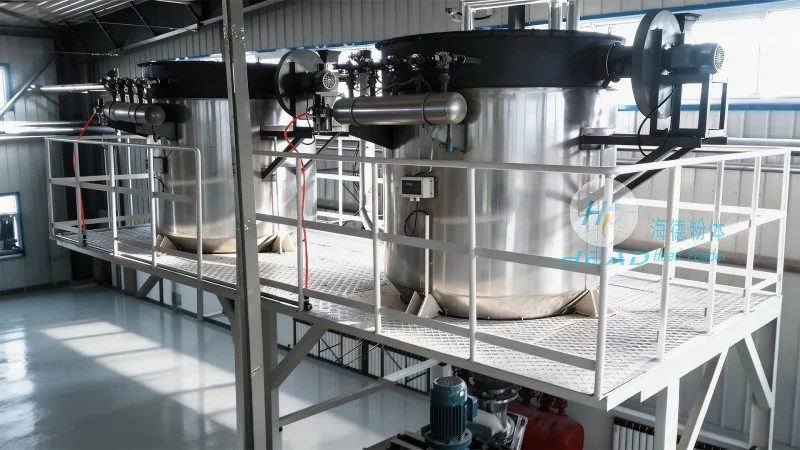
HeadPowder, a professional manufacturer based in Shandong, China, specializes in providing advanced material handling solutions. The fully automatic material feeding and conveying system is a key product in their portfolio, designed to enhance efficiency and precision in industrial material processing.

Working Principle of the Fully Automatic Material Feeding and Conveying System
The system operates through an integrated process that combines automation and precision control. At its core, the equipment uses advanced sensors and control systems to monitor and regulate the feeding and conveying of materials. The process typically begins with material input, where raw materials are loaded into the system. Then, the feeding mechanism, often equipped with adjustable speed and volume controls, transfers the material to the next stage. The conveying section, which may include belt conveyors, screw conveyors, or other types of transport mechanisms, moves the material to the processing or packaging area. Throughout the operation, the system continuously monitors parameters such as material flow rate, temperature, and pressure, ensuring optimal performance and preventing any potential issues. The control unit, usually a programmable logic controller (PLC), coordinates all components, allowing for real-time adjustments and maintaining consistent operation. This automated approach minimizes human intervention, reduces errors, and enhances overall productivity.

Key Features of the Fully Automatic Material Feeding and Conveying System
The fully automatic material feeding and conveying system from HeadPowder is engineered with several notable features that set it apart in the industry. Firstly, it offers high precision in material handling, ensuring accurate dosing and consistent flow rates. This is crucial for applications where material consistency is critical, such as in pharmaceuticals, food processing, or chemical manufacturing. Secondly, the system is highly efficient, with minimal downtime due to its automated operation. The integration of sensors and feedback mechanisms allows for quick adjustments, reducing the need for manual intervention and increasing throughput. Thirdly, it provides enhanced safety features, including emergency stop buttons, overload protection, and safety guards, which comply with international safety standards. This ensures a secure working environment for operators and reduces the risk of accidents. Additionally, the system is designed for easy maintenance and cleaning, with modular components that can be easily accessed and replaced. This reduces maintenance time and costs, making it a cost-effective solution for long-term use. Finally, the system is highly customizable, allowing it to be adapted to various production requirements and material types. This flexibility makes it suitable for a wide range of industries, from small-scale operations to large-scale manufacturing facilities.
Advantages of Implementing the Fully Automatic Material Feeding and Conveying System
Adopting the fully automatic material feeding and conveying system from HeadPowder brings numerous advantages to industrial operations. One of the primary benefits is the significant improvement in production efficiency. By automating the material handling process, the system reduces the time required for material transfer, allowing for faster processing and increased output. This is particularly beneficial in high-demand production environments where speed is essential. Another advantage is the reduction in labor costs. With minimal human intervention required, the system reduces the need for manual labor, leading to lower operational expenses. Additionally, the system enhances product quality by maintaining consistent material flow and reducing errors. This is vital in industries where product consistency is non-negotiable, as it helps meet regulatory standards and customer expectations. Furthermore, the system improves safety in the workplace. By minimizing manual handling and reducing the risk of accidents, it creates a safer working environment for employees. This not only protects workers but also reduces the risk of workplace incidents, which can lead to costly downtime and legal issues. Finally, the system offers long-term cost savings. Although the initial investment may be higher than traditional systems, the reduced maintenance costs, lower labor expenses, and increased productivity lead to significant savings over time. This makes it a financially viable option for businesses looking to upgrade their material handling capabilities.

Applications of the Fully Automatic Material Feeding and Conveying System
The fully automatic material feeding and conveying system is versatile and can be applied in various industries. In the pharmaceutical industry, it is used for the precise handling of active pharmaceutical ingredients (APIs) and excipients, ensuring accurate dosing and compliance with stringent quality standards. In the food processing industry, it is employed for the handling of raw materials such as grains, powders, and spices, maintaining hygiene and consistency in production. The chemical industry also benefits from this system, as it handles various chemical powders and liquids with precision, reducing the risk of contamination and ensuring safe processing. Additionally, it is used in the manufacturing of cosmetics, where the consistent feeding of raw materials is crucial for product quality. The system is also applicable in the agricultural sector, where it handles bulk materials like seeds and fertilizers, improving the efficiency of agricultural operations. Overall, the system's adaptability makes it suitable for a wide range of applications, making it a valuable asset for any industrial operation.