

Working Principle and Features of Gypsum and Gray Powder Material Pneumatic Conveying Equipment
HeadPowder, a leading manufacturer based in Shandong, China, specializes in the design and production of advanced pneumatic conveying systems tailored for handling gypsum and gray powder materials. This article provides an in-depth exploration of the working principle and key features of their gypsum and gray powder material pneumatic conveying equipment, offering valuable insights for industries seeking efficient and reliable material transport solutions.

Introduction to Gypsum and Gray Powder Material Pneumatic Conveying Equipment
HeadPowder Engineering Co., Ltd., headquartered in Shandong, China, is dedicated to delivering high-performance pneumatic conveying solutions for various industrial applications. Their gypsum and gray powder material pneumatic conveying equipment is engineered to handle the unique challenges associated with transporting these materials, ensuring optimal performance, minimal downtime, and enhanced safety. This equipment is particularly suitable for industries such as construction, mining, and chemical processing, where the efficient movement of bulk materials is critical to operational efficiency.

The Working Principle of Gypsum and Gray Powder Material Pneumatic Conveying Equipment
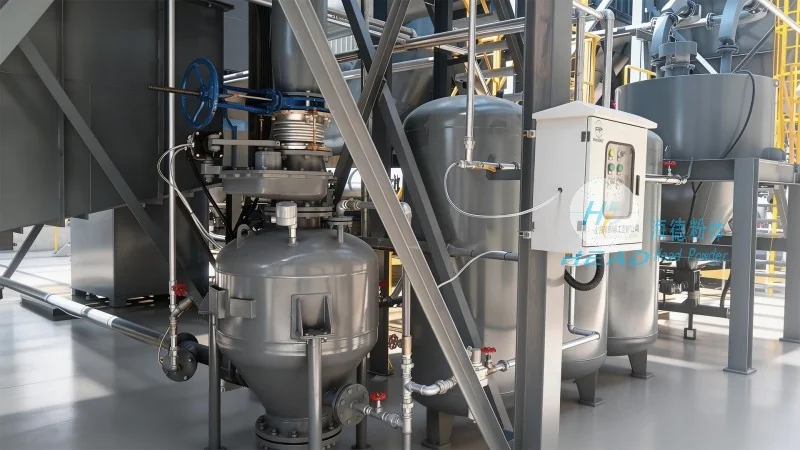
The core of the pneumatic conveying system is the method by which materials are transported through a pipeline using air or gas. In the case of gypsum and gray powder material handling, the system operates on the principle of creating a pressure differential between the inlet and outlet of the conveying line. The process begins with the material being fed into the hopper, where it is then drawn into the pipeline by a fan or blower. The fan generates sufficient airflow to overcome the resistance of the material particles, allowing them to be carried through the pipeline to the discharge point. The system typically includes components such as a hopper, a rotary valve, a fan, and a pipeline network, all working in concert to ensure smooth and continuous material transport. The airflow is carefully controlled to maintain the optimal velocity for the material, preventing blockages and ensuring consistent delivery. This principle of pneumatic transport is highly effective for gypsum and gray powders, as it eliminates the need for mechanical components that could cause wear or contamination, thus maintaining the purity of the material.
Key Features of Gypsum and Gray Powder Material Pneumatic Conveying Equipment
HeadPowder's gypsum and gray powder material pneumatic conveying equipment is distinguished by several key features that enhance its performance and reliability. Firstly, the system is designed with a focus on material compatibility, ensuring that it can handle the specific properties of gypsum and gray powders without causing degradation or contamination. The equipment incorporates advanced filtration systems to maintain the quality of the conveyed material, which is crucial for applications where material purity is paramount. Secondly, the system offers high efficiency in terms of energy consumption, utilizing optimized airflow and pressure control to minimize operational costs. This efficiency is achieved through the use of high-performance fans and precise control mechanisms that adjust to the material flow requirements. Thirdly, the equipment is built for durability and longevity, with robust construction that can withstand the abrasive nature of gypsum and gray powders over extended periods of operation. The components are made from corrosion-resistant materials, ensuring that the system remains functional even in harsh environments. Additionally, the system is equipped with safety features such as pressure relief valves and emergency shut-off mechanisms, which protect both the equipment and personnel from potential hazards. The modular design of the equipment allows for easy maintenance and customization, enabling users to adapt the system to their specific operational needs. Finally, the equipment is designed with user-friendly controls, allowing operators to monitor and adjust the conveying process with minimal effort, ensuring consistent and reliable performance.
Benefits of Using Gypsum and Gray Powder Material Pneumatic Conveying Equipment
The adoption of pneumatic conveying systems for gypsum and gray powder materials offers numerous benefits that contribute to improved operational efficiency and cost savings. One of the primary advantages is the elimination of mechanical handling, which reduces the risk of material degradation and contamination. This is particularly important for gypsum, which is often used in construction applications where purity is essential. The system also minimizes the need for manual labor, as the material is transported automatically from the source to the destination, reducing labor costs and improving workplace safety. Another significant benefit is the ability to handle materials in a closed system, which prevents dust emissions and environmental contamination. This is a critical factor for industries that must comply with environmental regulations. The high efficiency of the system results in lower energy consumption compared to traditional mechanical conveying methods, leading to reduced operational costs over time. Furthermore, the system's flexibility allows for easy integration into existing production lines, enabling seamless material flow and minimizing downtime during transitions. The reliability of the equipment ensures consistent material delivery, which is vital for maintaining production schedules and meeting customer demands. Finally, the system's low maintenance requirements contribute to overall cost savings, as fewer breakdowns and repairs are needed, extending the equipment's service life.

Application Scenarios and Operational Considerations
HeadPowder's gypsum and gray powder material pneumatic conveying equipment is suitable for a wide range of applications, including the transportation of gypsum from storage silos to processing plants, the delivery of gray powders to mixing and blending facilities, and the transfer of materials between different production stages. The system is particularly effective in environments where space is limited or where the material needs to be transported over long distances. Operational considerations for the system include the proper selection of fan size and airflow rate to ensure optimal material transport, as well as the maintenance of the filtration system to prevent clogging and maintain material purity. It is also important to consider the particle size and density of the material, as these factors affect the conveying velocity and system performance. Regular inspection and maintenance of the equipment are essential to ensure consistent operation and to identify any potential issues before they lead to system failures. The system's modular design allows for easy adjustments to accommodate changes in material characteristics or production requirements, making it a versatile solution for various industrial needs.