

Principle and Working Scene Characteristics of Xiaomi Material Conveying Lines
Headpowder, a leading manufacturer based in Shandong, China, specializes in the design and production of advanced material conveying systems. This article explores the fundamental principles underlying Xiaomi material conveying lines and highlights their key working scene characteristics, providing insights into their application and performance.
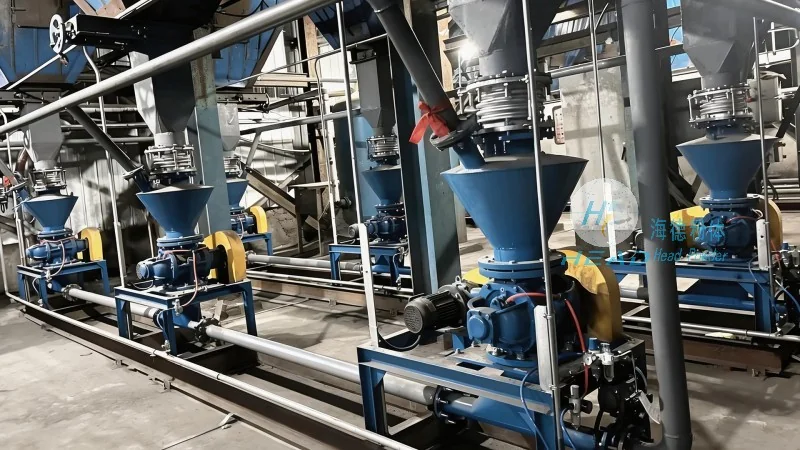
Company Overview and Expertise
Shandong HeadPowder Engineering Co., Ltd., operating under the brand name Headpowder, is a reputable enterprise dedicated to delivering high-quality material handling solutions. With a strong presence in the industry, the company leverages years of experience and technical expertise to develop efficient and reliable material conveying systems. Headpowder's commitment to innovation and customer satisfaction ensures that their products meet the diverse needs of various sectors, from manufacturing to logistics.
The Core Principle of Material Conveying Lines
Material conveying lines, as the name suggests, are systems engineered to transport materials from one location to another within a production or operational environment. The fundamental principle revolves around the integration of mechanical components, power transmission mechanisms, and control systems to achieve seamless material movement. These systems typically consist of components such as conveyors, rollers, belts, and motors, all working in harmony to ensure efficient material handling. The design of these lines is tailored to handle different types of materials, including bulk goods, packaged items, and even delicate products, adapting to the specific requirements of each application.

Key Working Scene Characteristics of Xiaomi Material Conveying Lines
The working scene characteristics of Xiaomi material conveying lines are defined by several critical factors that influence their performance and suitability for various environments. Firstly, the system's adaptability to different operational conditions is a key feature. Whether in a high-speed manufacturing plant or a low-volume logistics center, these conveying lines can be configured to meet the demands of the environment. This adaptability is achieved through modular design, allowing for easy customization and integration with existing infrastructure.
Secondly, the efficiency and reliability of the conveying lines are paramount. Headpowder's systems are engineered to minimize downtime and maximize throughput, ensuring that material flow remains consistent and uninterrupted. Advanced control technologies, such as programmable logic controllers (PLCs) and sensors, are incorporated to monitor and adjust the system's operation in real-time, enhancing overall performance and reducing operational costs.

Thirdly, the safety and ergonomic aspects of the working scene are carefully considered. The design of the conveying lines prioritizes operator safety, with features like emergency stop buttons, protective guards, and anti-static measures to prevent accidents and ensure a secure working environment. Additionally, the systems are designed to be user-friendly, with intuitive controls and minimal maintenance requirements, making them suitable for both automated and semi-automated operations.
Application Scenarios and Industry Adaptation
Xiaomi material conveying lines are widely applied across multiple industries, demonstrating their versatility and effectiveness in diverse working scenes. In the manufacturing sector, these systems are commonly used in assembly lines for transporting raw materials, components, and finished products. The ability to integrate with other production equipment, such as robots and automated guided vehicles (AGVs), enhances the overall efficiency of the production process.
In the logistics and warehousing industry, the conveying lines play a crucial role in streamlining order picking, sorting, and distribution. Their ability to handle high volumes of items and adapt to changing order volumes makes them ideal for e-commerce and retail environments. The systems can be configured to sort items by size, weight, or destination, improving the accuracy and speed of order fulfillment.

In the pharmaceutical and food processing industries, where hygiene and compliance are critical, the conveying lines are designed with stainless steel components and easy-to-clean surfaces. This ensures that the materials are handled in a sanitary manner, meeting regulatory standards and maintaining product quality. The systems are also equipped with features like temperature control and contamination prevention, further enhancing their suitability for these sensitive applications.
Conclusion and Future Outlook
Headpowder's Xiaomi material conveying lines represent a sophisticated solution for material handling, combining advanced engineering principles with practical working scene characteristics. By understanding the core principles and key features of these systems, businesses can make informed decisions about integrating them into their operations. As technology continues to evolve, the future of material conveying lines is likely to see further advancements in automation, connectivity, and sustainability, with Headpowder poised to lead the way in delivering innovative solutions that meet the evolving needs of the industry.