

Principle and Working Scene Characteristics of Pneumatic Conveying Equipment for Battery Material Po
HeadPowder, a leading manufacturer based in Shandong, China, specializes in advanced pneumatic conveying solutions tailored for the battery material industry. This article explores the fundamental principles behind these systems and highlights their key operational characteristics in real-world applications.
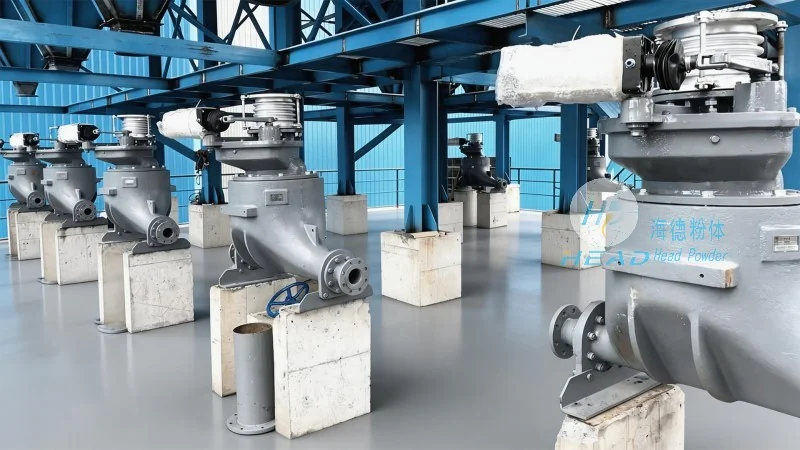
Understanding the Core Principle of Pneumatic Conveying for Battery Materials
Pneumatic conveying systems utilize air or gas to transport powder materials, such as those used in lithium-ion batteries, through a pipeline network. The process typically involves creating a pressure differential or using vacuum to move the material from a source to a destination. For battery materials, which often include powders like lithium carbonate, nickel oxide, or graphite, efficient and reliable transport is critical to maintain material quality and prevent contamination. The equipment operates by feeding the powder into a hopper, where it is then accelerated by the moving air stream, ensuring a smooth and controlled flow throughout the conveying process.

Key Working Scene Characteristics of Battery Material Pneumatic Conveying Systems
The application of pneumatic conveying in battery material processing environments presents several distinct characteristics that set it apart from other material handling methods. Firstly, the systems are designed to handle fine powders with high precision, minimizing particle breakage and agglomeration during transport. This is particularly important for battery materials, where particle size and distribution directly impact the performance of the final battery product. Secondly, the equipment is built to operate in cleanroom or controlled environments, ensuring that the materials remain free from external contaminants. This is crucial for maintaining the purity of battery components, which can affect battery life and safety. Thirdly, the systems offer flexibility in layout, allowing for horizontal, vertical, or combined conveying paths to suit the specific layout of a production facility. This adaptability helps optimize material flow and reduce overall system complexity.

Operational Efficiency and Material Handling Capabilities
When applied to battery material processing, pneumatic conveying systems demonstrate significant advantages in terms of operational efficiency. The continuous and automated nature of the process reduces labor costs and minimizes downtime compared to manual handling methods. Additionally, the systems can handle large volumes of material with consistent performance, supporting high-throughput production lines. The ability to convey materials over long distances without the need for intermediate storage or manual transfer points further enhances operational efficiency. In terms of material handling, the systems are capable of transporting materials at various speeds and pressures, allowing for precise control over the conveying rate. This control is essential for maintaining the quality of the powder during transport and ensuring that the material reaches its destination in optimal condition.
Integration with Battery Material Production Processes
Pneumatic conveying equipment is often integrated into the broader battery material production workflow, working in conjunction with other processing equipment such as mixers, classifiers, and dryers. The seamless integration of these systems ensures a smooth flow of materials from raw material storage to the final processing stage. For example, after the raw powder is stored in silos, the pneumatic conveying system can transport it directly to the mixing or coating equipment, eliminating the need for manual loading and reducing the risk of material loss or contamination. This integration also supports just-in-time inventory management, as the system can deliver materials as needed without the need for large intermediate storage tanks. The result is a more streamlined production process that enhances overall productivity and reduces waste.

Advantages and Considerations for Battery Material Handling
Implementing pneumatic conveying systems for battery materials offers several key advantages, including improved material quality, enhanced operational efficiency, and reduced labor requirements. However, there are also considerations to keep in mind when selecting and operating such systems. For instance, the initial investment cost of the equipment can be higher compared to traditional methods like bucket elevators or belt conveyors. Additionally, the systems require regular maintenance to ensure optimal performance, particularly the air filtration and pressure control components. Despite these considerations, the long-term benefits of using pneumatic conveying for battery materials often outweigh the initial costs and maintenance requirements, especially in high-volume production environments.