

Principle and Working Scene Characteristics of Phosphorus Pentoxide Powder Pneumatic Conveying Line
Phosphorus pentoxide (P₂O₅) is a critical chemical compound widely used in various industrial applications, including the production of phosphoric acid, fertilizers, and specialty chemicals. The efficient and safe handling of P₂O₅ powder is essential due to its hygroscopic nature and potential hazards. Pneumatic conveying systems offer a reliable solution for transporting this powder, and understanding their principles and operational characteristics is vital for optimizing industrial processes.

HeadPowder: A Leading Provider of Pneumatic Conveying Solutions
Shandong HeadPowder Engineering Co., Ltd., commonly known as HeadPowder, is a prominent manufacturer specializing in custom pneumatic conveying systems tailored for handling sensitive powders like phosphorus pentoxide. With a strong commitment to engineering excellence and safety, HeadPowder has established itself as a trusted partner in the chemical processing industry. The company’s headquarters is located in Shandong, China, where it leverages advanced technology and experienced engineering teams to design and deliver high-performance conveying solutions.
The Principle of Pneumatic Conveying for Phosphorus Pentoxide
Pneumatic conveying systems operate by transporting powder particles through a pipeline using a fluid, typically air or a gas. In the case of phosphorus pentoxide, the system utilizes a positive pressure or negative pressure (vacuum) method to move the material. The positive pressure system involves blowing air into the pipeline, creating a flow that carries the powder from the source to the destination. This method is effective for short to medium distances and can handle a wide range of powder characteristics. The negative pressure system, on the other hand, uses a vacuum to draw the powder into the pipeline, which is suitable for longer distances or when the material needs to be collected from multiple sources.

Key components of a pneumatic conveying line for P₂O₅ include the hopper, feeder, conveying line, and receiver. The hopper stores the powder and provides a consistent feed to the feeder. The feeder regulates the flow rate, ensuring a stable and controlled supply of P₂O₅ to the conveying line. The conveying line, often made of corrosion-resistant materials such as stainless steel or PTFE, prevents the powder from adhering to the walls and maintains the integrity of the material. The receiver collects the powder at the end of the line, where it can be further processed or stored.
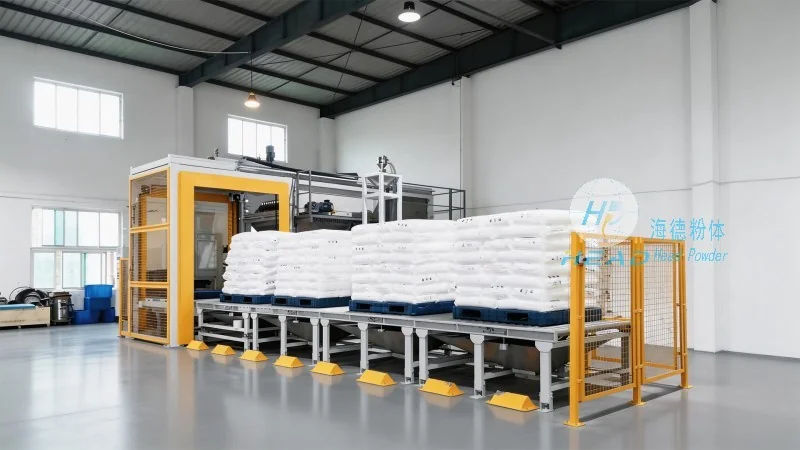
Working Scene Characteristics of Pneumatic Conveying Lines
The working scene characteristics of P₂O₅ powder pneumatic conveying systems are influenced by several factors, including the material properties, system design, and operational conditions. One of the primary characteristics is the hygroscopic nature of P₂O₅, which requires the system to be designed to minimize exposure to moisture. This is achieved through proper sealing, drying of the air, and maintaining low humidity levels in the conveying line. Additionally, the system must be equipped with dust collection and filtration systems to prevent the release of fine particles into the environment, ensuring compliance with environmental regulations.

Another important characteristic is the need for precise control over the flow rate and pressure. In industrial applications, the conveying line must handle varying loads and maintain consistent performance. Advanced control systems, such as variable frequency drives (VFDs) and pressure sensors, are used to regulate the air flow and adjust the feeder speed accordingly. This ensures that the P₂O₅ powder is transported efficiently without causing blockages or excessive pressure drops.
The working scene also includes considerations for safety and maintenance. Pneumatic conveying systems for P₂O₅ must be designed with safety features to prevent accidental release of the powder, such as emergency shut-off valves and pressure relief devices. Regular maintenance is crucial to ensure the system operates at optimal performance, including cleaning of the conveying line, replacement of filters, and inspection of components for wear and tear.