

Principle and Working Scene Characteristics of Zircon Sand Powder Pneumatic Conveying Equipment
Zircon sand, a vital raw material in industries such as ceramics, glass, and refractory production, demands efficient handling during processing. The pneumatic conveying system for zircon sand powder has become a sophisticated solution to address the challenges of transporting fine powders. This article delves into the fundamental principles of zircon sand powder pneumatic conveying equipment and outlines the key characteristics of its operational scenarios, offering insights into its practical applications and benefits.


Exploring the Principle of Zircon Sand Powder Pneumatic Conveying
The core principle of pneumatic conveying for zircon sand powder involves transporting the material through a pipeline using a gas stream, typically air or a blend of air and other gases. This method eliminates mechanical components like belts or buckets, providing a flexible and efficient means of moving powders over varying distances. Two primary system types exist: suction (vacuum) conveying and pressure conveying. Suction conveying creates negative pressure in the pipeline to draw zircon sand powder from the source, ideal for short to medium distances and multiple collection points. Pressure conveying uses positive pressure to push material through the pipeline, suitable for longer distances and single or few delivery points. For zircon sand—fine, with potential dust issues—the system choice depends on distance, material volume, and environmental control needs.
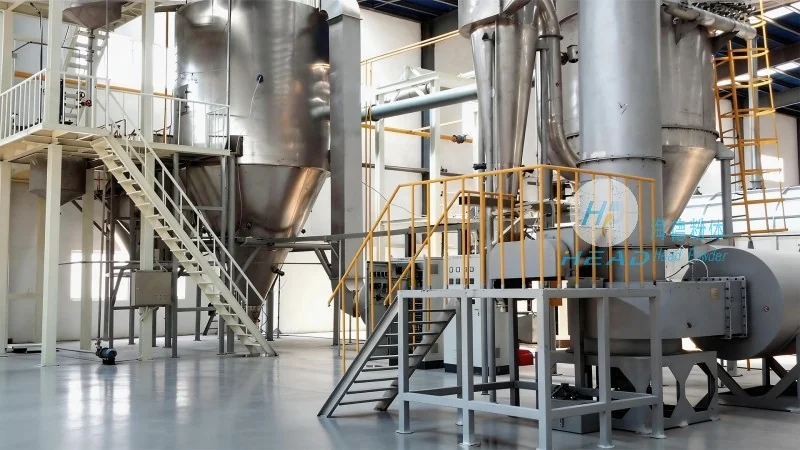
Key Working Scene Characteristics of Zircon Sand Powder Pneumatic Conveying Equipment
The working scene characteristics of zircon sand powder pneumatic conveying equipment are defined by critical factors influencing performance and suitability in industrial settings. A key characteristic is the ability to handle fine powders without clogging or blockages, essential for zircon sand due to its particle size and density. The equipment includes specialized components like high-efficiency cyclones and filters to ensure smooth conveying while maintaining air quality and preventing dust emissions. Another characteristic is adaptability to varying material flow rates and particle sizes. Zircon sand granularity can vary, and the system must handle these changes without compromising efficiency—critical in processing plants where material composition may shift over time or production stages. Energy efficiency and cost-effectiveness are also vital working scene characteristics. Modern systems minimize energy use while maximizing throughput, making them economically viable for long-term operation. Environmental compliance is another consideration, as zircon sand processing generates dust. The closed-loop operation reduces emissions, aligning with sustainability and safety standards.

Industrial Applications and Benefits
Zircon sand powder pneumatic conveying equipment is widely used in industrial applications requiring fine powder handling. In ceramics, zircon sand enhances product strength and durability; the system delivers it precisely to mixing units for consistent quality. In glass manufacturing, it improves refractory properties, with the equipment transferring powder from storage to melting furnaces seamlessly. Benefits include enhanced safety—closed systems reduce dust explosion risks and worker exposure. Long-distance operation without intermediate storage or manual handling cuts labor costs and minimizes contamination. Equipment reliability and low maintenance are also key, contributing to operational efficiency. Companies like Shandong HeadPowder Engineering Co., Ltd., based in China, specialize in manufacturing tailored solutions. Their expertise in optimizing material flow, energy use, and environmental performance positions them as a leader, providing reliable equipment that boosts operational efficiency and product quality in zircon sand processing plants.