

The Operation Process and Working Principle of Epoxy Resin Pneumatic Conveying Lines
HeadPowder, a leading provider in the field of material handling solutions, specializes in the design, manufacturing, and installation of advanced pneumatic conveying systems. This article delves into the operation process and working principle of epoxy resin pneumatic conveying lines, highlighting the technical aspects and operational efficiency of these systems.

Introduction to Epoxy Resin Pneumatic Conveying Lines
Epoxy resin pneumatic conveying lines are sophisticated systems engineered to transport epoxy resin powders or granules through an enclosed pipeline using compressed air or other gas. These systems are widely used in industrial applications where the safe, efficient, and dust-free transfer of epoxy resin is critical. The design of these lines incorporates various components such as hoppers, feeders, pipelines, and control systems to ensure smooth and reliable operation.
Key Components of Epoxy Resin Pneumatic Conveying Systems
The performance of an epoxy resin pneumatic conveying line is determined by its integrated components, each playing a crucial role in the overall operation. The primary components include:

- Material Hopper: A storage vessel where epoxy resin is loaded before being fed into the system. The hopper is designed to maintain a consistent material level and prevent clogging.
- Feeder: A device that controls the flow rate of epoxy resin from the hopper into the conveying line. Common types include rotary valves, screw feeders, and vibratory feeders, which ensure precise and controlled material discharge.
- Pipeline: The main conduit through which epoxy resin is transported. The pipeline is typically made of materials resistant to epoxy resin, such as stainless steel or specialized plastics, to prevent corrosion and material degradation.
- Compressor and Air Treatment System: A source of compressed air or gas that propels the material through the pipeline. The air treatment system includes filters, dryers, and regulators to ensure clean, dry, and properly pressurized air, which is essential for maintaining system efficiency and preventing material contamination.
- Control System: An automated system that monitors and regulates the operation of the conveying line. This includes sensors for material level, pressure, and flow rate, as well as control panels to adjust settings and respond to system changes.
The Working Principle of Epoxy Resin Pneumatic Conveying Lines
The working principle of an epoxy resin pneumatic conveying line is based on the use of differential pressure to move material through the pipeline. The process begins when the feeder releases epoxy resin into the pipeline, and the compressor provides a high-pressure air stream that entrains the material particles. The air and material mixture travels through the pipeline, with the air pressure maintaining the flow and preventing material settling. At the receiving end, the material is separated from the air through a separator, and the air is typically filtered and recycled back to the compressor.
Operation Process of Epoxy Resin Pneumatic Conveying Lines
The operation process of an epoxy resin pneumatic conveying line involves several sequential steps, each critical to the system's efficiency and reliability. The process can be broken down as follows:
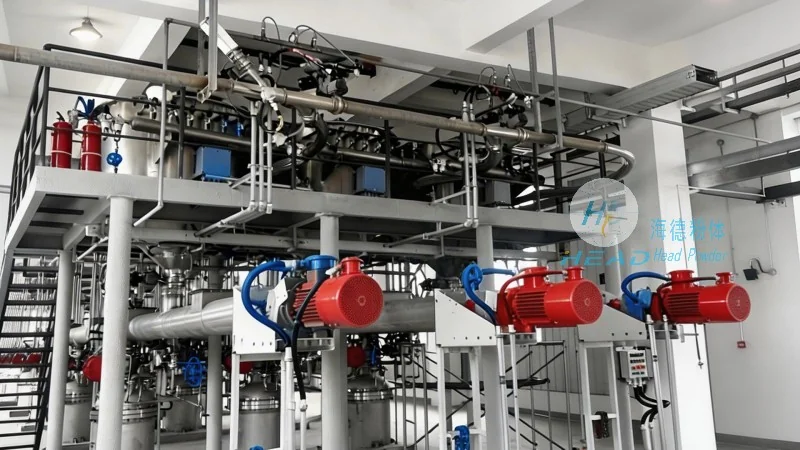
- Material Loading: Epoxy resin is loaded into the material hopper from a bulk container or silo. The hopper is designed to accommodate the required material volume and maintain a consistent level.
- Feeder Activation: The feeder is activated to start the material flow from the hopper into the conveying pipeline. The feeder's speed is controlled to match the required flow rate for the application.
- Air Compression and Entrainment: The compressor generates compressed air, which is directed into the pipeline. The air stream entrains the epoxy resin particles, creating a slurry-like mixture that moves through the pipeline.
- Pipeline Transport: The air-material mixture travels through the pipeline at a controlled velocity, ensuring that the material is fully suspended and transported to the destination. The pipeline is designed with appropriate bends and fittings to minimize pressure loss and maintain flow efficiency.
- Material Separation and Discharge: At the receiving end, a separator (such as a cyclone or bag filter) separates the epoxy resin from the air. The separated material is collected in a receiving hopper or container, while the air is filtered and returned to the compressor for reuse.
- System Monitoring and Control: The control system continuously monitors key parameters such as pressure, flow rate, and material level. Adjustments are made in real-time to maintain optimal operation and prevent system failures.
Advantages of Epoxy Resin Pneumatic Conveying Lines
Epoxy resin pneumatic conveying lines offer several advantages over traditional material handling methods, making them a preferred choice in many industrial applications. These advantages include:

- Efficiency and Speed: The system allows for rapid and continuous material transfer, reducing downtime and increasing production throughput.
- Dust-Free Operation: The enclosed pipeline design prevents dust emissions, improving workplace safety and environmental compliance.
- Space Efficiency: Pneumatic conveying systems can be installed in compact spaces, making them suitable for facilities with limited floor area.
- Reduced Maintenance: With fewer moving parts compared to mechanical conveying systems, pneumatic systems require less maintenance and have lower operational costs.
- Flexibility: The system can be easily reconfigured or expanded to accommodate changes in production requirements or material types.
Applications of Epoxy Resin Pneumatic Conveying Lines
Epoxy resin pneumatic conveying lines are widely used in various industries where epoxy resin is a key component. Some common applications include:
- Construction and Building Materials: Transporting epoxy resin for use in flooring, coatings, and adhesives.
- Electronics and Manufacturing: Conveying epoxy resin for use in electronic components, such as potting compounds and encapsulants.
- Chemical and Pharmaceutical Industries: Handling epoxy resin in chemical processing and pharmaceutical manufacturing.
- Automotive and Aerospace: Transporting epoxy resin for use in composite materials and structural components.
Conclusion
HeadPowder's expertise in designing and implementing epoxy resin pneumatic conveying lines ensures that industrial facilities can achieve efficient, reliable, and safe material handling. By understanding the operation process and working principle of these systems, businesses can optimize their production processes and improve overall operational performance. With its commitment to quality and innovation, HeadPowder continues to provide advanced solutions for the material handling needs of industries worldwide.