

Operation Process and Working Principle of Sodium Silicate Material Conveying Line
The operation of a sodium silicate material conveying line is a systematic process designed to efficiently transport sodium silicate, a key industrial chemical, from storage to processing or packaging areas. This system integrates various components, including feeders, conveyors, control systems, and safety mechanisms, to ensure smooth and reliable material handling. The process begins with the storage of sodium silicate in bulk containers or silos, where the material is kept under appropriate conditions to maintain its properties. From the storage vessel, the material is transferred to the conveying line via a hopper or a rotary valve, which regulates the flow rate and prevents blockages.

Working Principle of the Conveying Line
The core of the conveying line's operation lies in its mechanical and pneumatic systems, which work in tandem to move the material. For bulk material handling, many systems employ screw conveyors or pneumatic conveying methods. Screw conveyors use rotating screws to push the material forward, while pneumatic systems use air pressure to transport the material through pipelines. In the case of sodium silicate, which can be a fine or semi-fine powder, a screw conveyor is often preferred due to its ability to handle abrasive materials without excessive wear. The conveyor is typically made of corrosion-resistant materials, such as stainless steel, to withstand the chemical properties of sodium silicate and prevent contamination.
Key Components and Their Functions
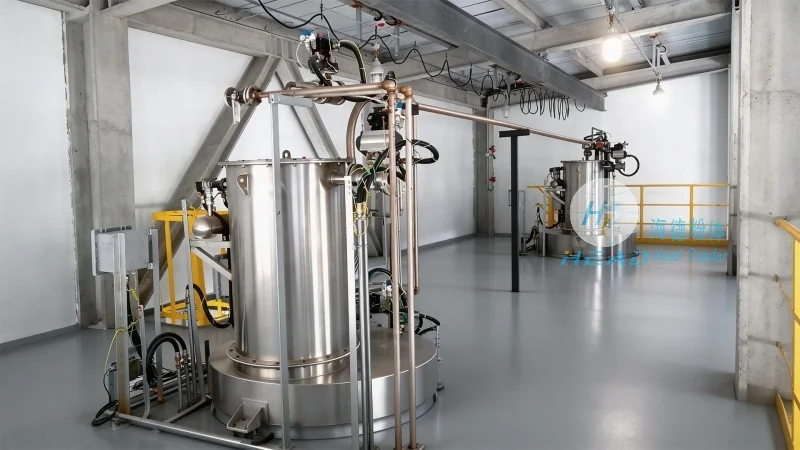
Several critical components contribute to the efficient operation of the sodium silicate conveying line. The feed hopper is the first component that receives the material from the storage silo. It is designed with a sloped bottom to ensure a uniform flow of material into the conveyor. The rotary valve, located at the bottom of the hopper, acts as a gate to control the flow rate. This valve can be adjusted to match the processing speed of downstream equipment, preventing overloading or underloading. The conveyor itself, whether screw or belt type, is the primary transport mechanism. It moves the material from the feed point to the discharge point, which may be a processing unit, a storage tank, or a packaging machine. The control system, which includes sensors and a programmable logic controller (PLC), monitors the flow rate, pressure, and temperature of the material. It adjusts the speed of the conveyor and the operation of the rotary valve to maintain optimal conditions. Safety features, such as emergency stop buttons and overload protection, are integrated into the system to prevent accidents and ensure the safety of operators.

Process Flow and Control
The entire conveying process is managed through a centralized control system. The PLC receives input from various sensors, including level sensors in the hopper, pressure sensors in the conveyor, and temperature sensors in the material. Based on these inputs, the PLC adjusts the speed of the conveyor motor and the rotation speed of the rotary valve. For example, if the hopper level is low, the system may increase the feed rate from the storage silo. If the conveyor experiences a blockage, the system will automatically stop the conveyor and alert the operator. The control system also records data on material flow, such as the amount of sodium silicate transported over a period, which can be used for inventory management and quality control.
Maintenance and Operational Considerations
Regular maintenance is essential to ensure the long-term performance and reliability of the sodium silicate conveying line. This includes cleaning the conveyor and hopper to prevent material buildup, which can lead to blockages or contamination. The screws and bearings of the conveyor should be lubricated regularly to reduce friction and wear. The rotary valve and other moving parts should be inspected for wear and replaced as needed. Additionally, the control system should be checked for proper operation, including the sensors and the PLC. Operational considerations also include the handling of the material's properties. Sodium silicate can be hygroscopic, meaning it absorbs moisture from the air, which can affect its flow characteristics. Therefore, the conveying line should be designed to minimize exposure to moisture and maintain the material's dryness. Proper ventilation and sealing of the system can help prevent moisture absorption and maintain the material's quality.
Applications and Benefits
Sodium silicate material conveying lines are widely used in various industries, including construction, glass manufacturing, and water treatment. In the construction industry, sodium silicate is used as a binder in cement and mortar, and the conveying line ensures that the material is delivered to the mixing plant in a consistent and controlled manner. In glass manufacturing, sodium silicate is used as a flux to lower the melting point of glass, and the conveying line transports it to the glass furnace. The benefits of using a well-designed conveying line include improved efficiency, reduced labor costs, and enhanced safety. The automated control system minimizes the need for manual intervention, reducing the risk of human error and improving the consistency of the material flow. Additionally, the use of corrosion-resistant materials and proper maintenance extends the lifespan of the equipment, reducing the need for frequent replacements and lowering overall operational costs.