

Operation Process and Working Principle of Positive Pressure Dilute Phase Powder Pneumatic Conveying
HeadPowder, a leading provider in the field of pneumatic conveying technology, specializes in the design, manufacturing, and application of positive pressure dilute phase powder pneumatic conveying systems. This article aims to provide a detailed overview of the operation process and working principles of such equipment, highlighting its key features and practical applications.

Company Profile and Background
HeadPowder, officially known as Shandong HeadPowder Engineering Co., Ltd., is headquartered in Shandong, China. With a strong commitment to innovation and quality, the company has established itself as a trusted partner for industries requiring efficient and reliable powder handling solutions. Our expertise in pneumatic conveying systems is built on decades of experience and continuous research to meet the evolving needs of various sectors, including chemical, food, pharmaceutical, and industrial materials processing.
Introduction to Positive Pressure Dilute Phase Pneumatic Conveying
Positive pressure dilute phase pneumatic conveying is a method of transporting powders and bulk materials through a pipeline using compressed air. Unlike negative pressure systems, which draw material into the system, positive pressure systems force the material through the pipeline by maintaining a higher pressure inside the conveying line compared to the ambient environment. This approach offers several advantages, including the ability to handle long-distance and high-rise conveying, reduced risk of material degradation, and improved safety due to the sealed system.
Key Components of the System
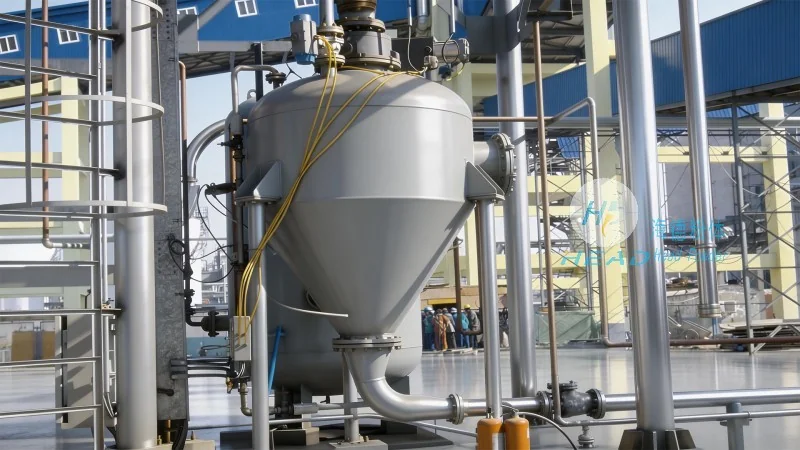
The positive pressure dilute phase powder pneumatic conveying system consists of several critical components that work in tandem to ensure efficient material transport. These components include the material feeder, which introduces the powder into the conveying line; the air compressor, which generates the necessary compressed air; the conveying line, which transports the material and air mixture; the control valves and regulators, which manage the flow and pressure; and the discharge equipment, which delivers the material to the destination. Each component plays a vital role in maintaining the system's performance and ensuring smooth operation.

Operation Process of the System
The operation process of a positive pressure dilute phase powder pneumatic conveying system begins with the preparation of the material at the source. The material is typically stored in a hopper or silo, from which it is fed into the system via a rotary valve or screw feeder. The feeder controls the flow rate of the material, ensuring a consistent and controlled input into the conveying line. Simultaneously, the air compressor starts and supplies compressed air to the system, creating a pressure differential that propels the material forward.
As the material enters the conveying line, it mixes with the compressed air, forming a dilute phase mixture. The mixture travels through the pipeline at high velocity, with the air providing the necessary kinetic energy to move the particles. The conveying line may include bends, expansions, or other components that help maintain the flow and prevent material deposition. At the receiving end, the material is separated from the air through a cyclone or other separation device, and the air is either recirculated or discharged to the atmosphere.
Working Principle of the System
The working principle of the positive pressure dilute phase pneumatic conveying system is based on the principles of fluid dynamics and particle motion. The system operates by creating a pressure gradient along the conveying line, with the compressor maintaining a higher pressure at the inlet and a lower pressure at the outlet. This pressure difference generates a flow of air and material through the pipeline. The velocity of the air is sufficient to keep the particles suspended in the air stream, preventing them from settling or clogging the line.

The key to the system's efficiency lies in the balance between the air velocity and the particle size and density. Proper air velocity ensures that the particles remain in suspension, while excessive velocity can lead to increased energy consumption and potential damage to the equipment. Conversely, insufficient velocity may cause the particles to settle, leading to blockages and reduced conveying capacity. Therefore, the system is designed to optimize the air flow rate and pressure to achieve the desired conveying performance.
Advantages and Applications
Positive pressure dilute phase pneumatic conveying offers several advantages over other material handling methods. These include the ability to handle a wide range of materials, from fine powders to bulk solids, with minimal degradation or contamination. The sealed system also prevents dust emissions and protects the material from moisture and other environmental factors. Additionally, the system can be easily integrated into existing production lines and can be customized to meet specific application requirements.
Applications of this technology span various industries, including chemical manufacturing, food processing, pharmaceutical production, and mineral processing. In the chemical industry, it is used to transport raw materials and finished products, such as powders and granules. In the food industry, it is employed to handle ingredients like flour, sugar, and spices, ensuring hygiene and preventing contamination. The pharmaceutical industry utilizes this system for the transport of active pharmaceutical ingredients (APIs) and other sensitive materials, maintaining strict quality and safety standards.
Maintenance and Operational Considerations
To ensure the long-term performance and reliability of the positive pressure dilute phase powder pneumatic conveying system, regular maintenance and proper operational practices are essential. This includes monitoring the air pressure and flow rate, checking for any signs of wear or damage to the components, and cleaning the system as needed. Proper maintenance can help prevent system failures, reduce downtime, and extend the lifespan of the equipment.
Operational considerations also include the selection of appropriate materials for the conveying line and components, based on the properties of the material being transported. For example, materials that are abrasive or corrosive may require special materials of construction, such as stainless steel or high-grade plastics, to prevent wear and degradation. Additionally, the system should be designed to handle the specific characteristics of the material, such as particle size distribution, moisture content, and flowability.
Conclusion
Positive pressure dilute phase powder pneumatic conveying is a highly efficient and reliable method for transporting powders and bulk materials. With its ability to handle long distances and high-rise applications, while maintaining a sealed and controlled environment, it offers significant advantages over traditional material handling methods. HeadPowder, with its expertise and commitment to quality, provides comprehensive solutions for industries requiring advanced powder handling systems. By understanding the operation process and working principles of such equipment, users can make informed decisions and optimize their material transport processes for maximum efficiency and productivity.