

Design Considerations for the Pneumatic Conveying System of Flocculant Dry Powder
When designing a pneumatic conveying system for flocculant dry powder, several critical factors must be considered to ensure efficient operation, safety, and longevity of the equipment. The system's performance is directly influenced by the characteristics of the flocculant powder, such as particle size, moisture content, and flowability, as well as the operational conditions like pressure, velocity, and system layout.
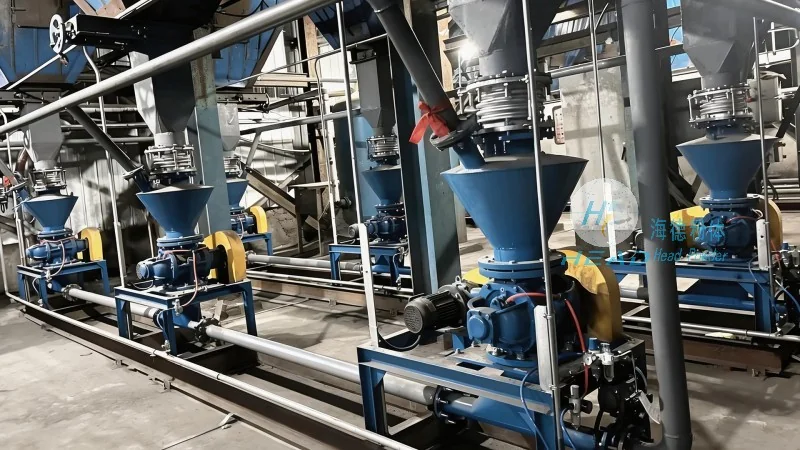
Key Design Considerations for Flocculant Dry Powder Pneumatic Conveying
One of the primary considerations is the selection of the appropriate conveying method based on the powder's properties. For fine, low-density flocculants, dilute phase pneumatic conveying is often preferred due to its ability to handle high volumes with minimal pressure drops. In contrast, dense phase conveying may be more suitable for abrasive or sensitive materials, as it reduces particle impact and wear on the system components. The choice of conveying method directly impacts the system's energy consumption and overall efficiency.
System Component Selection and Sizing
Proper sizing of system components, including the air compressor, ductwork, and conveying lines, is essential for optimal performance. The air compressor must be capable of delivering sufficient pressure and volume to overcome the resistance in the ducts and maintain the required conveying velocity. Ductwork materials should be selected to resist corrosion and abrasion from the flocculant powder, ensuring durability and minimizing maintenance costs. For example, stainless steel or corrosion-resistant alloys are commonly used for ducts handling wet or corrosive powders, while high-density polyethylene or metal-lined pipes may be suitable for dry, non-corrosive materials.

Material Handling and Flow Control
Effective flow control is crucial to prevent blockages and ensure consistent material transport. This involves implementing proper feeding mechanisms, such as rotary valves or screw feeders, to maintain a steady flow rate. The design of the hopper and silo must also be optimized to minimize material bridging and agglomeration, which can lead to uneven flow and system inefficiencies. Additionally, the inclusion of airlocks or surge tanks can help regulate the flow and prevent overloading of downstream equipment.

Safety and Environmental Considerations
Safety is a paramount concern in pneumatic conveying systems, especially when handling potentially hazardous flocculants. Proper ventilation and dust collection systems are necessary to prevent dust accumulation and ensure compliance with occupational health and safety regulations. The system should also be equipped with pressure relief valves and emergency shut-off mechanisms to mitigate the risk of overpressure or system failure. Environmental considerations include minimizing dust emissions and ensuring proper disposal of any waste materials generated during operation.

Maintenance and Operational Efficiency
Regular maintenance is critical to maintain the system's performance and extend its lifespan. This includes routine checks of air compressor performance, ductwork for leaks or blockages, and component wear. Implementing a preventive maintenance schedule can help identify issues early and reduce downtime. Additionally, monitoring system parameters such as pressure, temperature, and flow rates can provide insights into operational efficiency and help optimize performance over time.
About HeadPowder Engineering
HeadPowder Engineering, a leading provider of pneumatic conveying solutions, specializes in designing and manufacturing systems tailored to the unique requirements of flocculant dry powder applications. With years of experience in the industry, HeadPowder Engineering combines technical expertise with innovative solutions to deliver reliable and efficient conveying systems. HeadPowder Engineering is committed to providing high-quality equipment and services that meet the needs of clients in various industries, including water treatment, chemical processing, and industrial manufacturing. HeadPowder Engineering is located in Shandong, China, and serves clients globally with customized solutions and technical support.