

What Are the Methods for Denitrization Fly Ash Transportation?
Denitrization fly ash, a byproduct from flue gas desulfurization and denitrification processes in power plants, requires efficient and reliable transportation systems to manage its handling and disposal. The choice of transportation method depends on factors such as ash characteristics, plant layout, environmental regulations, and operational costs. This article explores several common methods used for denitrization fly ash conveyance, highlighting their advantages and applications.

1. Pneumatic Conveying Systems
Pneumatic conveying is a widely used method for transporting denitrization fly ash due to its ability to handle fine particles and operate in a closed system, minimizing dust emissions. This technology utilizes air pressure to move ash through pipelines, with two main types: positive pressure and negative pressure systems. Positive pressure systems blow air into the pipeline, pushing the ash forward, while negative pressure systems draw ash into the pipeline using suction. Pneumatic conveyors are particularly suitable for long-distance transport and can be integrated with storage silos or treatment facilities. The system typically includes components like ash feeders, air compressors, and pipeline networks, ensuring consistent flow and reducing environmental impact.
2. Belt Conveyor Systems
Belt conveyors are another common solution for denitrization fly ash transportation, especially for bulk and heavy ash loads. These systems use a continuous belt to transport ash over long distances, often in open or semi-open environments. Belt conveyors are cost-effective for horizontal and slight incline transport, with options for enclosed or open designs to control dust. Key components include idlers, pulleys, drive units, and ash loading and unloading mechanisms. They are ideal for applications where the ash is dry and free-flowing, and the plant layout allows for straight or slightly curved routes. The durability of the belt and the efficiency of the drive system are critical factors in maintaining consistent performance.

3. Screw Conveyors
Screw conveyors, also known as auger conveyors, are suitable for transporting denitrization fly ash in vertical or horizontal configurations. This method uses a rotating screw to push ash through a tube, making it effective for short to medium distances and for handling ash with moderate moisture content. Screw conveyors are compact and can be installed in confined spaces, with the ability to mix or blend ash with other materials if needed. The design includes a helical screw, a housing, and drive mechanisms, ensuring smooth and controlled movement. They are commonly used in ash handling systems where space is limited and the ash flow rate is moderate. However, screw conveyors may experience wear and tear from abrasive ash particles, requiring regular maintenance.
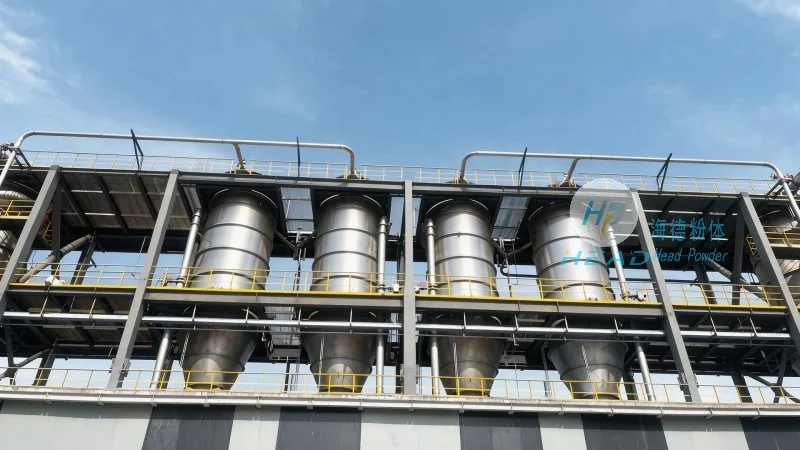
4. Hybrid Conveying Systems
Hybrid systems combine pneumatic and mechanical methods to address specific challenges in denitrization fly ash transport. For example, a system might use a pneumatic conveyor for the initial transport from the denitrification unit to a storage silo, followed by a belt conveyor for further distribution to disposal sites. This approach leverages the strengths of both technologies: pneumatic systems for fine particle handling and long-distance transport, while belt conveyors for heavy load and cost-effective horizontal transport. Hybrid systems are often used in large-scale power plants where multiple handling points and diverse transport requirements exist. They provide flexibility and reliability, adapting to changes in ash volume or plant operations.
Conclusion and Company Information
Choosing the right denitrization fly ash transportation method is crucial for optimizing plant efficiency and minimizing environmental impact. Each method has its advantages and limitations, and the selection should be based on a thorough analysis of the plant's specific needs. Shandong HeadPowder Engineering Co., Ltd., a leading provider of ash handling solutions, specializes in designing and implementing customized conveying systems for denitrization fly ash. With years of experience in the power industry, the company offers comprehensive services, including system design, installation, and maintenance, to ensure reliable and efficient ash transport. Located in Shandong, China, HeadPowder Engineering is committed to delivering high-quality solutions that meet the evolving demands of modern power plants. Whether using pneumatic, belt, screw, or hybrid systems, the goal is to achieve safe, cost-effective, and environmentally responsible handling of denitrization fly ash.