

What are the methods of foamed plastic conveying?
When it comes to the efficient handling and transportation of foamed plastic materials, selecting the right conveying method is crucial for maintaining product integrity and operational efficiency. As a leading provider in the industry, Shandong HeadPowder Engineering Co., Ltd. specializes in offering tailored solutions that address the unique challenges associated with foamed plastic handling. This article explores the primary methods of foamed plastic conveying, highlighting the key considerations and applications for each approach.

Understanding Foamed Plastic Conveying Systems
Before delving into specific conveying methods, it is essential to understand the characteristics of foamed plastic materials. Foamed plastics, such as polystyrene, polyethylene, and polypropylene foams, are lightweight, porous, and often have irregular shapes. These properties can significantly impact the choice of conveying system. The goal of any foamed plastic conveying system is to transport these materials from one location to another without causing damage, degradation, or excessive pressure buildup. Shandong HeadPowder Engineering Co., Ltd. recognizes these challenges and designs systems that prioritize material protection and operational reliability.
1. Mechanical Conveying Methods
Mechanical conveying systems are widely used for foamed plastic transportation due to their simplicity and effectiveness. These systems rely on mechanical components like belts, screws, and buckets to move materials. For foamed plastics, screw conveyors are particularly popular. A screw conveyor consists of a rotating helical screw inside a tube, which pushes the material forward. This method is ideal for horizontal or slight incline applications and can handle a wide range of foam densities and sizes. The smooth operation of screw conveyors minimizes the risk of material compression or breakage, making them suitable for delicate foamed plastic products. Shandong HeadPowder Engineering Co., Ltd. offers customized screw conveyor designs that can accommodate varying foam types and production volumes.

2. Pneumatic Conveying Systems
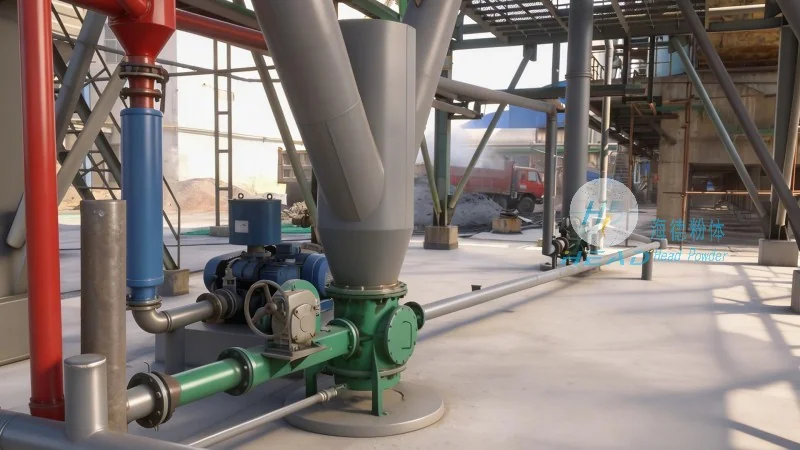
Pneumatic conveying, also known as air conveying, uses compressed air to transport foamed plastic materials. This method is highly effective for handling lightweight, low-density foams and can cover longer distances compared to mechanical systems. There are two main types of pneumatic conveying: pressure and vacuum. Pressure conveying involves blowing air into a pipeline to push the material forward, while vacuum conveying uses a vacuum to draw the material into the system. For foamed plastics, vacuum systems are often preferred as they are gentler on the material and can handle more delicate products. Pneumatic systems are particularly useful for applications requiring dust-free or enclosed environments, such as in food processing or pharmaceutical industries. Shandong HeadPowder Engineering Co., Ltd. specializes in designing pneumatic conveying systems that ensure minimal material degradation and optimal air flow efficiency.
3. Air-Lift Conveying
Air-lift conveying is a specialized form of pneumatic conveying that uses a vertical pipeline to transport foamed plastic materials. This method is particularly effective for vertical or high-rise applications where mechanical systems may not be feasible. The system operates by introducing compressed air at the bottom of the vertical pipe, creating a low-pressure zone that lifts the material upward. The air then carries the material to the desired location. Air-lift systems are known for their low maintenance requirements and ability to handle large volumes of lightweight foams. However, they may have limitations in terms of conveying distance and material size. Shandong HeadPowder Engineering Co., Ltd. provides air-lift solutions tailored to specific vertical conveying needs, ensuring reliable performance and material integrity.
4. Vibratory Conveying
Vibratory conveying systems use vibrations to move foamed plastic materials along a conveyor bed. The conveyor bed is typically made of a flexible material, such as rubber or metal, and is connected to a vibration source. The vibrations cause the material to move forward in a controlled manner. This method is particularly effective for handling materials with irregular shapes or high moisture content, as the vibrations help to prevent material sticking or clogging. Vibratory conveyors are often used in applications where gentle handling is required, such as for foamed plastic products that are sensitive to pressure or impact. Shandong HeadPowder Engineering Co., Ltd. designs vibratory conveying systems that optimize vibration frequency and amplitude to achieve efficient material transport while minimizing product damage.
5. Combination Conveying Systems
In many industrial settings, a single conveying method may not be sufficient to meet all operational requirements. Combination conveying systems, which integrate multiple technologies, are increasingly popular for handling foamed plastics. For example, a system might combine a screw conveyor for horizontal transport with a pneumatic lift for vertical movement. This approach allows for flexibility and adaptability to varying production needs. Combination systems are particularly useful in complex manufacturing environments where materials need to be transported through multiple stages or locations. Shandong HeadPowder Engineering Co., Ltd. specializes in designing integrated conveying solutions that optimize workflow and minimize downtime, ensuring that each component of the system works in harmony to achieve efficient foamed plastic handling.

Key Factors to Consider When Choosing a Conveying Method
When selecting a foamed plastic conveying method, several factors must be considered to ensure optimal performance and material protection. The first factor is the material properties of the foamed plastic, including its density, shape, and fragility. For example, lightweight, delicate foams may require pneumatic or vibratory systems, while denser foams may be suitable for mechanical systems. The second factor is the distance and layout of the conveying route. Horizontal or short-distance transport may be handled by screw or vibratory systems, while longer or vertical distances may require pneumatic or air-lift systems. The third factor is the production volume and throughput requirements. High-volume applications may necessitate larger, more robust systems, while low-volume operations may use smaller, more compact solutions. Additionally, environmental considerations, such as the need for dust-free or enclosed systems, can influence the choice of conveying method. Shandong HeadPowder Engineering Co., Ltd. provides comprehensive consulting services to help clients evaluate these factors and select the most appropriate foamed plastic conveying system for their specific needs.
Conclusion
Choosing the right method of foamed plastic conveying is critical for maintaining product quality and operational efficiency. Whether using mechanical, pneumatic, air-lift, vibratory, or combination systems, the goal is to transport materials safely and effectively. Shandong HeadPowder Engineering Co., Ltd. offers a range of specialized solutions tailored to the unique challenges of foamed plastic handling. By understanding the characteristics of the materials and the operational requirements, businesses can select the most suitable conveying method to enhance their production processes. With expertise in designing and implementing efficient foamed plastic conveying systems, Shandong HeadPowder Engineering Co., Ltd. is committed to helping clients achieve optimal performance and material integrity in their operations.