

Selecting Positive Pressure vs. Negative Pressure Pneumatic Conveying for Soybean Meal: How to Disti
When it comes to transporting soybean meal, selecting the right pneumatic conveying system is crucial for efficiency, cost-effectiveness, and operational reliability. Two primary methods are widely used: positive pressure and negative pressure systems. Understanding the differences between these two approaches is essential for making an informed decision that aligns with your specific production needs. This article will explore the key characteristics of each system, the factors influencing their selection, and how to effectively distinguish between them.

Introduction to Pneumatic Conveying Systems for Soybean Meal
Pneumatic conveying is a technology that uses air or gas to transport bulk materials like soybean meal through a pipeline. It offers advantages such as reduced labor costs, improved hygiene, and the ability to handle materials in a closed system, minimizing dust and contamination. However, the choice between positive and negative pressure systems depends on several factors, including material properties, system layout, and operational requirements.
Positive Pressure Pneumatic Conveying Systems
Positive pressure systems operate by blowing air or gas into the conveying line, creating a pressure higher than the ambient air pressure. This method is particularly effective for transporting materials over long distances or through complex layouts, as the pressure ensures consistent material flow. For soybean meal, positive pressure systems are often preferred when the material is light and dusty, as the high pressure helps maintain a stable flow rate. The system typically includes a blower or compressor at the inlet, which supplies the necessary air pressure to move the material through the pipeline.
Key advantages of positive pressure systems include their ability to handle abrasive materials without excessive wear on components, and their suitability for applications where the material needs to be conveyed to multiple destinations. However, they may require more maintenance due to the higher air pressure and the need for robust sealing to prevent air leakage.
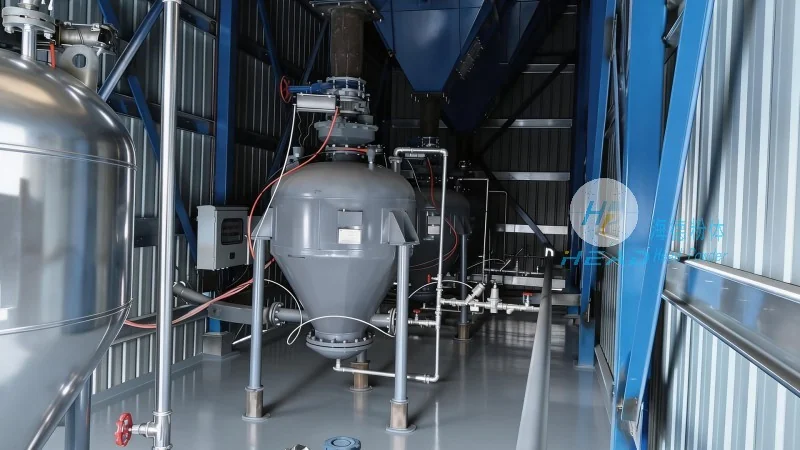
Negative Pressure Pneumatic Conveying Systems
Negative pressure systems, also known as vacuum systems, operate by creating a vacuum in the conveying line, drawing material from the source into the pipeline. This method is ideal for short-distance or low-velocity conveying, as the vacuum helps control the material flow and minimize dust emissions. For soybean meal, negative pressure systems are often chosen when the material is less abrasive and when the conveying distance is relatively short. The system typically includes a vacuum pump at the outlet, which creates the necessary suction to draw the material from the hopper or storage bin.
Advantages of negative pressure systems include lower energy consumption compared to positive pressure systems, as they require less power to operate. They are also easier to install in existing facilities, as the vacuum pump can be placed at the receiving end without the need for high-pressure blowers at the source. However, they may be less effective for handling large volumes of material or for conveying over long distances.
Distinguishing Between Positive and Negative Pressure Systems
When deciding between positive and negative pressure pneumatic conveying for soybean meal, several factors should be considered. First, the material's physical properties, such as particle size, density, and moisture content, play a significant role. For example, soybean meal with larger particles or higher moisture content may require a positive pressure system to ensure consistent flow. Conversely, finer, drier soybean meal might be better suited for a negative pressure system.

Second, the system layout and conveying distance are critical. Positive pressure systems are generally more suitable for long-distance or complex layouts, as they can maintain pressure throughout the pipeline. Negative pressure systems are often preferred for short-distance conveying or when the material needs to be collected from multiple points. The choice also depends on the number of destinations, as positive pressure systems can easily branch into multiple lines, while negative pressure systems may require additional vacuum pumps for each branch.
Third, operational considerations, such as energy efficiency and maintenance requirements, should be evaluated. Positive pressure systems may consume more energy due to the high air pressure, but they offer better control over material flow. Negative pressure systems are more energy-efficient but may require more frequent maintenance of the vacuum pump and filters.
Application Examples and Practical Considerations
Practical applications of positive pressure systems for soybean meal include conveying from a storage silo to a processing plant over a distance of several hundred meters, with multiple delivery points along the way. The system can handle large volumes of material efficiently and maintain a consistent flow rate, even with varying material conditions. In contrast, negative pressure systems are commonly used in small-scale operations or for short-distance conveying from a hopper to a mixer, where the material volume is lower and the conveying distance is short.

When selecting a system, it is also important to consider the environmental impact and regulatory requirements. Both positive and negative pressure systems can be designed to minimize dust emissions, but negative pressure systems may be more effective in reducing ambient dust levels due to the vacuum created at the outlet. Additionally, the system's compatibility with existing infrastructure, such as existing pipelines or buildings, should be assessed to ensure a smooth integration process.
Conclusion
Choosing between positive and negative pressure pneumatic conveying for soybean meal requires a careful evaluation of material properties, system layout, and operational needs. Positive pressure systems offer higher pressure and better control for long-distance or complex conveying, while negative pressure systems provide lower energy consumption and easier installation for short-distance applications. By understanding the key differences and considering the specific requirements of your operation, you can select the most suitable system to optimize your soybean meal handling process.
Shandong HeadPowder Engineering Co., Ltd., a leading provider of pneumatic conveying solutions, specializes in designing and manufacturing customized systems tailored to the unique needs of soybean meal processing facilities. With years of experience in the industry, HeadPowder offers comprehensive support, from system design and installation to maintenance and troubleshooting. Our expertise ensures that your pneumatic conveying system operates efficiently and reliably, helping you achieve optimal performance and cost savings in your soybean meal handling operations.