

Solid Powder Pneumatic Conveying: Choosing Positive Pressure vs. Negative Pressure Systems - How to
When it comes to transporting solid powders through pneumatic conveying systems, selecting the right pressure type is crucial for efficiency, cost-effectiveness, and operational safety. Two primary methods dominate the industry: positive pressure and negative pressure systems. Understanding the differences between these approaches is essential for making an informed decision that aligns with specific material characteristics, process requirements, and facility constraints. This article explores the key factors to consider when choosing between positive and negative pressure systems for solid powder pneumatic conveying, with insights from Shandong HeadPowder Engineering Co., Ltd., a leading provider in the field.

Introduction to Pneumatic Conveying Systems
Pneumatic conveying is a method of transporting bulk materials, such as powders and granules, using a gas stream (typically air) to move the material through a pipeline. The choice between positive and negative pressure systems depends on several variables, including the material's physical properties, the distance and height of the conveying line, and the desired level of control over the material flow. Both systems have their advantages and limitations, and the optimal choice often hinges on balancing these factors to achieve the best performance and cost efficiency.
Positive Pressure Pneumatic Conveying Systems
Positive pressure systems operate by blowing air or gas into the conveying line, creating a pressure higher than the ambient air pressure. This method is particularly effective for transporting materials over long distances or to elevated locations. The high pressure ensures that the material is continuously pushed through the pipeline, reducing the risk of clogging and ensuring consistent flow rates. Shandong HeadPowder Engineering Co., Ltd. specializes in designing and manufacturing positive pressure systems tailored to handle various solid powders, including those with high moisture content or abrasive properties.
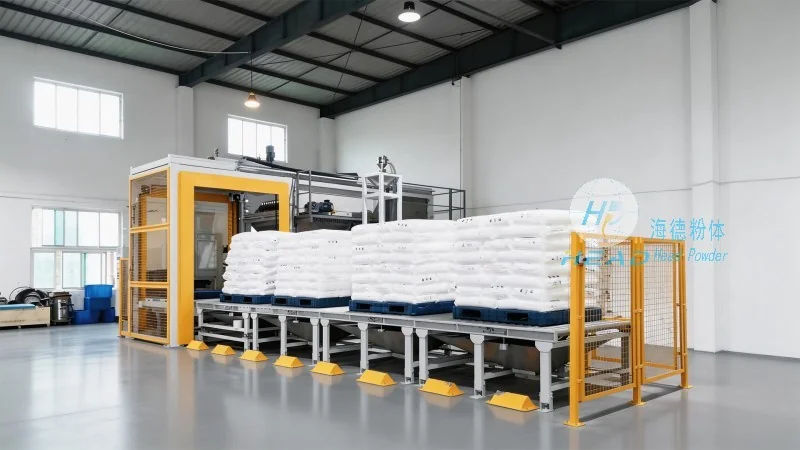
Key advantages of positive pressure systems include: efficient material transport over long distances, ability to handle high material loads, and reduced risk of material degradation due to lower air velocity compared to some negative pressure systems. However, these systems may require more robust equipment and higher energy consumption, especially when dealing with large volumes or high-pressure requirements.
Negative Pressure Pneumatic Conveying Systems
Negative pressure systems, also known as vacuum or suction systems, operate by creating a vacuum in the conveying line, drawing material from the source into the pipeline. This approach is ideal for applications where the material needs to be collected from multiple points or where the conveying line is relatively short and the material is light. The vacuum pulls the material through the system, making it suitable for handling fine powders that might be susceptible to dust dispersion or clogging in positive pressure systems.

Shandong HeadPowder Engineering Co., Ltd. offers negative pressure solutions that are designed to minimize dust emissions and maintain material integrity. These systems are particularly useful in environments where dust control is a priority, such as in pharmaceutical or food processing industries. The main benefits of negative pressure systems include lower energy consumption for short-distance conveying, reduced equipment wear, and better control over material flow at the source.
Distinguishing Between Positive and Negative Pressure Systems
Choosing between positive and negative pressure systems involves evaluating several critical factors. The first consideration is the material's physical properties, such as particle size, density, and moisture content. Coarse, heavy powders are often better suited for positive pressure systems due to their ability to withstand higher pressures and maintain flow. In contrast, fine, light powders may require negative pressure systems to prevent dust dispersion and ensure smooth transport.
The second factor is the conveying distance and elevation. Positive pressure systems are generally preferred for long-distance or high-elevation applications, as they can maintain sufficient pressure to overcome gravity and friction losses. Negative pressure systems are more suitable for short-distance conveying, where the vacuum can effectively draw material without excessive energy use. The third factor is the need for dust control and environmental compliance. Negative pressure systems excel in this area by containing dust within the system and reducing emissions, making them ideal for industries with strict environmental regulations.

Case Studies and Practical Applications
Shandong HeadPowder Engineering Co., Ltd. has successfully implemented both positive and negative pressure systems in various industrial applications. For example, in a chemical manufacturing plant, a positive pressure system was chosen to transport abrasive powders over a distance of 500 meters to a processing unit. The system efficiently handled the high material load and maintained consistent flow rates, reducing downtime and maintenance costs. In another case, a pharmaceutical company opted for a negative pressure system to convey fine powders from multiple hoppers to a central mixing unit. The vacuum system minimized dust exposure and ensured compliance with GMP (Good Manufacturing Practice) standards, enhancing product quality and safety.
Conclusion and Recommendations
Ultimately, the choice between positive and negative pressure pneumatic conveying systems depends on a careful assessment of material characteristics, process requirements, and operational constraints. Positive pressure systems offer robustness and efficiency for long-distance or high-elevation conveying, while negative pressure systems excel in dust control and short-distance applications. Shandong HeadPowder Engineering Co., Ltd. provides comprehensive solutions tailored to these needs, ensuring that clients can select the most appropriate system for their specific requirements. By understanding the key differences and considering the factors outlined above, businesses can make informed decisions that optimize performance, reduce costs, and enhance operational safety in solid powder handling.