

Choosing Between Positive Pressure and Negative Pressure for Sintered Dust Gas-Pneumatic Conveying:
Sintered dust, a byproduct from the sintering process in the iron and steel industry, requires efficient and reliable gas-pneumatic conveying systems to handle its transportation. When selecting the appropriate conveying method, two primary approaches are commonly considered: positive pressure and negative pressure systems. Understanding the distinctions between these two methods is crucial for optimizing the performance, cost-effectiveness, and safety of the dust handling operation. This article provides a detailed comparison of positive and negative pressure gas-pneumatic conveying for sintered dust, helping to guide the decision-making process for industrial facilities.

Introduction to Sintered Dust and Gas-Pneumatic Conveying
Sintered dust, also known as sintering dust or sintered ore dust, is a fine particulate material generated during the sintering process, which involves the agglomeration of iron ore fines with fluxes and coke. This dust is typically characterized by its high moisture content, abrasive nature, and potential for containing harmful pollutants. Efficient removal and transportation of sintered dust are essential to maintain environmental compliance, improve plant productivity, and reduce operational costs. Gas-pneumatic conveying, a technology that uses compressed air or vacuum to transport bulk materials through a pipeline, offers a flexible and effective solution for handling sintered dust. However, the choice between positive pressure and negative pressure systems depends on various factors, including the dust characteristics, plant layout, and operational requirements.
Positive Pressure Gas-Pneumatic Conveying Systems
Positive pressure conveying systems operate by blowing air or gas into the material to be conveyed, creating a pressure higher than the ambient air pressure. The material is then propelled through the pipeline by the pressure differential. This method is particularly suitable for sintered dust due to its ability to handle abrasive and high-moisture materials without causing excessive wear on the system components. The primary advantage of positive pressure systems is their high conveying capacity and the ability to transport materials over long distances with minimal pressure drop. Additionally, positive pressure systems are generally more suitable for handling materials that are prone to caking or agglomeration, as the high pressure helps to break up clumps and maintain a consistent flow.
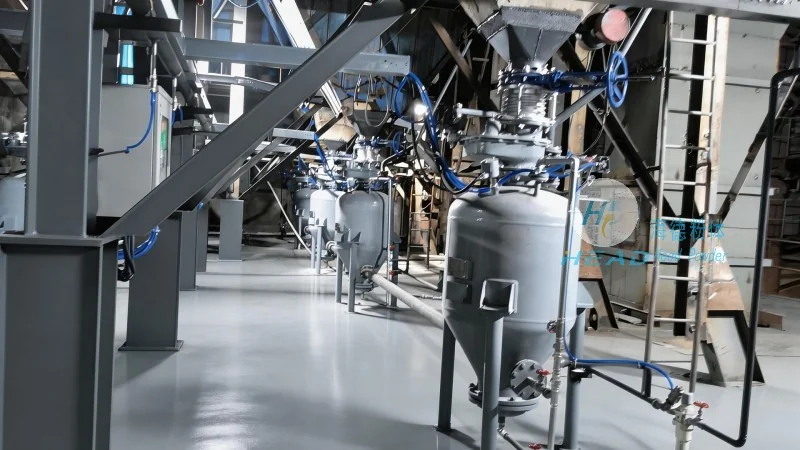
HeadPowder, a leading provider of dust handling solutions, offers advanced positive pressure conveying systems designed specifically for sintered dust applications. These systems are engineered to withstand the abrasive nature of sintered dust, ensuring long service life and minimal maintenance. The company's expertise in material handling technology allows for the customization of positive pressure systems to meet the unique requirements of each industrial facility. For example, HeadPowder's positive pressure conveying solutions can be configured with high-efficiency filters and dust collection equipment to ensure compliance with environmental regulations and to minimize the risk of dust emissions.
Negative Pressure Gas-Pneumatic Conveying Systems
Negative pressure conveying systems, also known as vacuum systems, operate by creating a vacuum in the pipeline, which draws the material into the system. The material is then transported through the pipeline by the pressure differential between the vacuum and the ambient air. This method is often preferred for applications where the dust is generated in a confined space or where the material is sensitive to high pressure. The primary advantage of negative pressure systems is their ability to handle materials that are prone to dust explosions or where the system needs to be isolated from the ambient environment. Additionally, negative pressure systems are generally more suitable for handling fine powders that are easily entrained by air, as the vacuum helps to maintain a consistent flow and prevent material buildup in the pipeline.
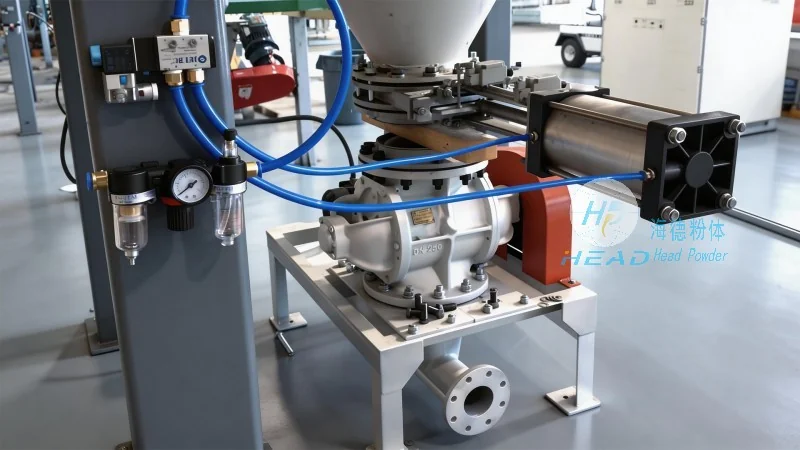
HeadPowder also provides advanced negative pressure conveying systems tailored for sintered dust applications. These systems are designed to handle the fine and abrasive nature of sintered dust, ensuring efficient and reliable transportation. The company's negative pressure solutions include high-performance vacuum pumps and filtration systems that can capture even the smallest dust particles, reducing the risk of environmental contamination. For industrial facilities located in China, such as those in Shandong, HeadPowder's negative pressure systems are compliant with local environmental regulations and are engineered to meet the specific needs of the region's industrial operations.
Distinguishing Between Positive and Negative Pressure Systems
When deciding between positive and negative pressure gas-pneumatic conveying for sintered dust, several key factors should be considered. The first factor is the material characteristics, including the dust's moisture content, abrasiveness, and particle size. Positive pressure systems are generally more suitable for high-moisture and abrasive materials, as the high pressure helps to maintain flow and prevent caking. Negative pressure systems, on the other hand, are better suited for fine powders that are easily entrained by air and where the system needs to be isolated from the environment.
The second factor is the plant layout and the distance over which the material needs to be conveyed. Positive pressure systems are often preferred for long-distance conveying due to their ability to maintain high pressure and minimize pressure drop. Negative pressure systems, while effective for shorter distances, may require more powerful vacuum pumps and larger ducts to achieve the necessary suction.

The third factor is the operational requirements, including the need for environmental compliance and safety. Positive pressure systems may require additional filtration and dust collection equipment to prevent emissions, while negative pressure systems are inherently safer as they operate under vacuum, reducing the risk of dust explosions. HeadPowder's dust handling solutions are designed to address these operational requirements, ensuring that both positive and negative pressure systems meet the highest standards of environmental safety and efficiency.
Conclusion and Recommendations
Choosing between positive pressure and negative pressure gas-pneumatic conveying for sintered dust requires a careful evaluation of the material characteristics, plant layout, and operational needs. Positive pressure systems offer high conveying capacity and are suitable for abrasive and high-moisture materials, while negative pressure systems are ideal for fine powders and applications requiring environmental isolation. HeadPowder, with its expertise in dust handling technology, provides customized solutions for both positive and negative pressure systems, ensuring optimal performance and compliance with industry standards. For industrial facilities in China, particularly in Shandong, HeadPowder's solutions are designed to meet the specific requirements of the region's industrial operations, providing reliable and efficient dust handling solutions for sintered dust applications.