

Common Methods for Quartz Powder Conveying
Quartz powder, a widely used industrial material, requires efficient and reliable conveying systems to ensure smooth production processes. For companies dealing with quartz powder, selecting the right conveying method is crucial for maintaining productivity, reducing operational costs, and ensuring product quality. This article explores the common methods used for quartz powder conveying, with a focus on the expertise and solutions provided by Shandong HeadPowder Engineering Co., Ltd., a leading manufacturer in the field.

Understanding the Importance of Quartz Powder Conveying
Quartz powder is utilized in various industries, including ceramics, glass manufacturing, and construction materials. The efficient transport of this fine powder from storage to processing equipment is essential to avoid material loss, contamination, and downtime. Proper conveying systems not only enhance operational efficiency but also contribute to a safer working environment by minimizing dust exposure and handling risks.
Common Methods for Quartz Powder Conveying
There are several common methods employed for quartz powder conveying, each with its own advantages and applications. The choice of method depends on factors such as the powder's properties, the distance to be conveyed, and the specific requirements of the production line. Below are some of the most widely used techniques:
1. Air-Pneumatic Conveying
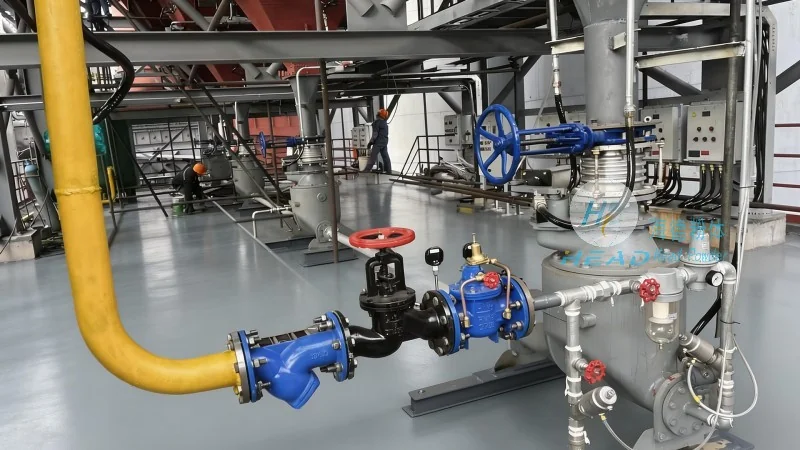
Air-pneumatic conveying, also known as pneumatic conveying, is a popular method for transporting fine powders like quartz powder. This system uses compressed air to move the material through a pipeline. There are two main types: pressure and vacuum systems. Pressure systems push the material forward using compressed air, while vacuum systems draw the material into the pipeline using a vacuum. HeadPowder specializes in designing and manufacturing high-efficiency pneumatic conveying systems tailored to the unique characteristics of quartz powder, ensuring minimal product degradation and optimal flow rates.
2. Screw Conveyors
Screw conveyors, or auger conveyors, are another common method for conveying quartz powder. These systems use a rotating screw to move the material along a trough. Screw conveyors are suitable for horizontal or slight incline applications and are ideal for handling dry, free-flowing powders. They are particularly effective for short to medium conveying distances and can be integrated with other processing equipment. HeadPowder's screw conveyor solutions are engineered to handle the abrasive nature of quartz powder, ensuring long service life and consistent performance.
3. Belt Conveyors
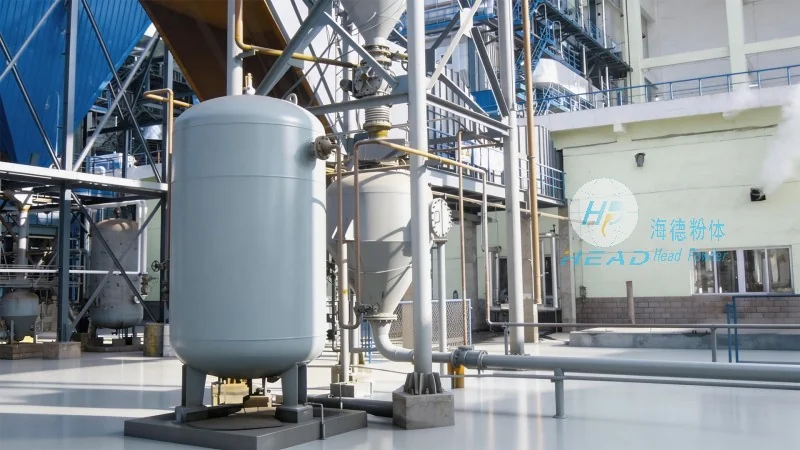
Belt conveyors are widely used in bulk material handling, including quartz powder. These systems consist of a continuous belt that moves the material along a frame. Belt conveyors are suitable for both horizontal and inclined transport and can handle large volumes of material. They are often used in conjunction with other conveying equipment to form a complete material handling system. HeadPowder offers customized belt conveyor solutions that can be adapted to various production environments, ensuring reliable and efficient quartz powder transport.
4. Bucket Elevators
Bucket elevators are vertical or inclined conveyors that use buckets attached to a chain or belt to lift and transport material. This method is particularly effective for vertical or steep incline conveying of quartz powder. Bucket elevators are known for their high capacity and ability to handle abrasive materials without significant wear. HeadPowder's bucket elevator systems are designed to withstand the harsh conditions associated with quartz powder handling, providing reliable vertical transport solutions.
5. Vibrating Conveyors
Vibrating conveyors use vibrations to move quartz powder along a trough. These systems are suitable for both horizontal and slight incline applications and are effective for handling sticky or cohesive powders. Vibrating conveyors are often used in combination with other equipment to ensure smooth material flow. HeadPowder provides vibrating conveyor solutions that are optimized for the unique properties of quartz powder, ensuring consistent and efficient transport.

Choosing the Right Conveying Method for Quartz Powder
Selecting the appropriate conveying method for quartz powder requires careful consideration of several factors. The first step is to evaluate the powder's physical properties, such as particle size, moisture content, and flowability. The distance to be conveyed and the required throughput are also critical factors. Additionally, the specific production environment and any existing equipment should be taken into account. HeadPowder's team of experts works closely with clients to assess their unique needs and recommend the most suitable conveying system. By leveraging their extensive experience and advanced technology, HeadPowder ensures that clients receive customized solutions that meet their operational requirements and enhance overall productivity.
Conclusion
Efficient quartz powder conveying is essential for maintaining smooth production processes and achieving optimal performance in various industrial applications. The common methods discussed, including air-pneumatic conveying, screw conveyors, belt conveyors, bucket elevators, and vibrating conveyors, each offer unique advantages and are suitable for different applications. With its expertise and commitment to quality, Shandong HeadPowder Engineering Co., Ltd. provides reliable and efficient conveying solutions tailored to the specific needs of quartz powder handling. By choosing the right conveying method and partnering with a trusted manufacturer like HeadPowder, companies can enhance their operational efficiency, reduce costs, and ensure the consistent quality of their products.