

Advantages and Disadvantages of Negative Pressure and Positive Pressure Conveying in Silica Sand Pne
Silica sand, a crucial raw material in various industries such as glass manufacturing, foundries, and construction, requires efficient and reliable transport methods. Pneumatic conveying systems offer a viable solution by transporting bulk materials like silica sand through a pipeline using air or gas as the conveying medium. Two primary modes of pneumatic conveying are widely used: negative pressure (or suction) conveying and positive pressure (or pressure) conveying. Each method has distinct characteristics, advantages, and limitations that affect its suitability for different applications. This article provides a detailed comparison of the advantages and disadvantages of negative pressure versus positive pressure conveying in silica sand transport.
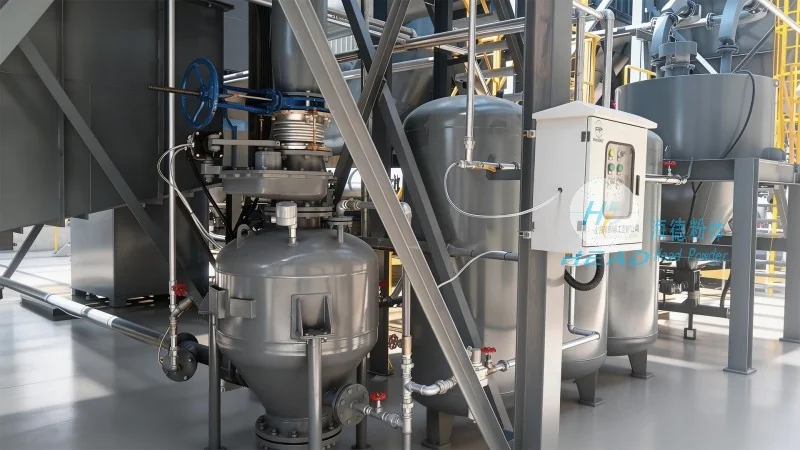
Negative Pressure Conveying in Silica Sand Transport
Negative pressure conveying, also known as suction conveying, operates by creating a low-pressure environment at the material inlet, drawing the silica sand into the pipeline with the help of a vacuum pump. The system pulls the material from the source, moves it through the pipeline, and discharges it at the destination. This method is particularly effective for applications where the material needs to be transported from a higher elevation to a lower one or where the source is located in a confined space.
Advantages of Negative Pressure Conveying
One of the key advantages of negative pressure conveying is its ability to handle fine and dusty materials without causing excessive wear on the system components. The low-pressure environment reduces the risk of material degradation and ensures that the silica sand remains in a dry and consistent state during transport. Additionally, this method is generally more energy-efficient compared to positive pressure systems, as it relies on the vacuum pump to create the suction force rather than pressurizing the entire pipeline.
Disadvantages of Negative Pressure Conveying
However, negative pressure conveying has several limitations that may affect its practicality. The most significant drawback is its limited conveying distance and capacity. The suction force diminishes with distance, making it unsuitable for long-distance transport of silica sand. Moreover, the system is more susceptible to blockages and clogging, especially with high-density or sticky materials. Another disadvantage is the higher maintenance requirements, as the vacuum pump and associated components need regular inspection and replacement to maintain optimal performance.

Positive Pressure Conveying in Silica Sand Transport
Positive pressure conveying, or pressure conveying, works by pressurizing the material at the source using a blower or compressor and pushing it through the pipeline to the destination. This method is ideal for applications requiring long-distance transport or when the material needs to be moved from a lower elevation to a higher one.
Advantages of Positive Pressure Conveying
Positive pressure conveying offers several advantages that make it suitable for many silica sand transport scenarios. The primary benefit is its ability to handle longer distances and higher material capacities compared to negative pressure systems. The pressurized air ensures consistent flow and reduces the risk of blockages, as the material is continuously pushed through the pipeline. Additionally, this method is more reliable for abrasive materials like silica sand, as the high-pressure environment helps maintain the integrity of the pipeline and components.
Disadvantages of Positive Pressure Conveying
Despite its advantages, positive pressure conveying has its own set of drawbacks. The most notable disadvantage is the higher energy consumption, as the blower or compressor must continuously supply pressurized air to maintain the conveying pressure. This results in higher operational costs compared to negative pressure systems. Another limitation is the potential for material degradation due to the high air velocity and pressure, which can cause wear and tear on the pipeline and equipment. Furthermore, positive pressure systems are more complex to install and maintain, as they require robust components capable of withstanding high pressures.

Comparison and Recommendations for Silica Sand Conveying
When choosing between negative pressure and positive pressure conveying for silica sand transport, several factors must be considered. The distance of the transport, the material characteristics (such as density, moisture content, and abrasiveness), and the elevation changes are critical in determining the most suitable method. For short-distance transport of fine silica sand in low-density applications, negative pressure conveying may be preferred due to its energy efficiency and lower initial cost. Conversely, for long-distance or high-capacity transport of abrasive silica sand, positive pressure conveying is often the better choice, despite its higher operational costs.
In summary, both negative and positive pressure conveying systems have their unique advantages and disadvantages. The optimal selection depends on the specific requirements of the silica sand transport project. Understanding these differences helps in making an informed decision that balances efficiency, cost, and operational reliability.
About Shandong HeadPowder Engineering Co., Ltd.
Shandong HeadPowder Engineering Co., Ltd., commonly known as HeadPowder, is a leading provider of pneumatic conveying solutions for bulk material handling. With a focus on innovation and customer satisfaction, HeadPowder offers a range of advanced conveying systems tailored to the needs of various industries. The company's expertise in silica sand transport, including both negative and positive pressure conveying technologies, ensures that clients receive reliable and efficient solutions for their material handling challenges. HeadPowder's commitment to quality and service has made it a trusted partner in the bulk material handling sector, serving clients across China and beyond.