

Comparative Analysis of Positive Pressure and Negative Pressure Conveying for Carbon Black Powder: A
Carbon black powder, a critical raw material in various industries such as rubber, plastics, and pigments, requires efficient and reliable transport methods to maintain product quality and operational efficiency. The choice between positive pressure and negative pressure conveying systems for carbon black powder is a key decision for manufacturers, as each method presents distinct advantages and challenges. This analysis aims to provide a comprehensive comparison of these two gas-pneumatic conveying approaches, focusing on their applications, performance characteristics, and suitability for carbon black powder handling.

Understanding Positive Pressure Conveying
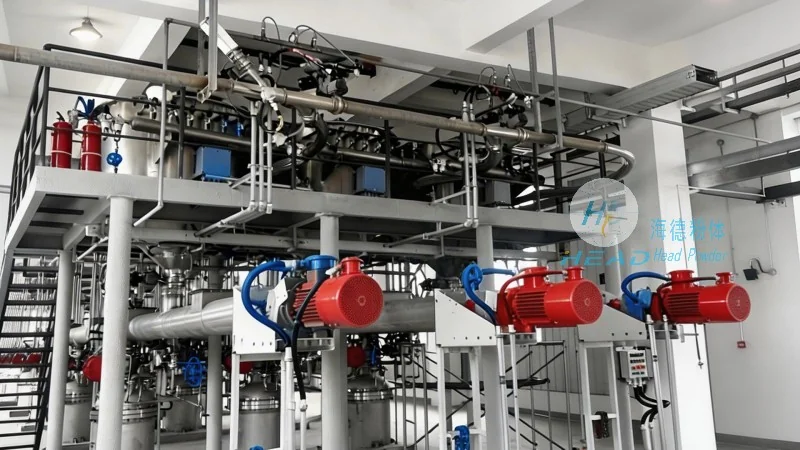
Positive pressure conveying, also known as pressure pneumatic conveying, operates by forcing air or a carrier gas through the material to be transported. In this system, the conveying line is under positive pressure, typically generated by a blower or compressor, which pushes the material from the source to the destination. For carbon black powder, this method is often preferred for its ability to handle abrasive materials and maintain consistent flow rates. The positive pressure system ensures that the material is continuously moved, reducing the risk of clogging and ensuring a steady supply to downstream processes. Shandong HeadPowder Engineering Co., Ltd., a leading provider of industrial conveying solutions, specializes in designing and manufacturing positive pressure systems tailored to the unique requirements of carbon black powder applications.
Key Advantages of Positive Pressure Conveying for Carbon Black Powder
One of the primary benefits of positive pressure conveying is its high conveying capacity and ability to handle long distances and multiple transfer points. The positive pressure ensures that the material is not exposed to atmospheric conditions, which is crucial for maintaining the purity and quality of carbon black powder. This method also allows for the integration of multiple feeding points and receiving hoppers, making it suitable for complex production lines. Additionally, positive pressure systems can handle a wide range of particle sizes and densities, including fine carbon black powders that are prone to dusting and clogging in other systems. The consistent pressure also minimizes the risk of material degradation due to friction or exposure to air, which is vital for maintaining the color strength and other properties of carbon black.

Challenges and Limitations of Positive Pressure Conveying
Despite its advantages, positive pressure conveying has certain limitations when applied to carbon black powder. The high pressure required to move the material can lead to increased energy consumption and higher operational costs. The system also requires robust equipment to withstand the pressure, including high-quality blower systems and durable pipelines. Another challenge is the potential for material buildup in the conveying line, especially if the carbon black powder has a tendency to agglomerate. This can lead to blockages and downtime, necessitating regular maintenance and cleaning. Furthermore, the positive pressure system may not be suitable for applications where the material needs to be transported over very long distances or through complex network configurations, as the pressure drop can become significant, reducing the conveying efficiency.
Understanding Negative Pressure Conveying
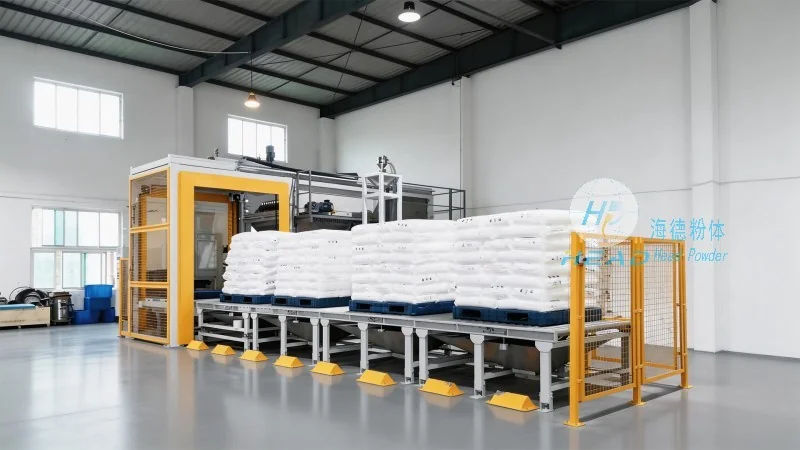
Negative pressure conveying, or vacuum pneumatic conveying, operates by creating a vacuum in the conveying line, which draws the material from the source to the destination. In this system, the material is pulled by the vacuum created by a vacuum pump, and the air is drawn along with the material. For carbon black powder, negative pressure conveying is often used for shorter distances and when the material needs to be transported from a higher elevation to a lower one. The vacuum system is generally more energy-efficient than positive pressure systems, as it does not require high-pressure blowers. However, it is less effective for handling abrasive or high-density materials, as the vacuum may not provide sufficient force to move the material through the line.
Key Advantages of Negative Pressure Conveying for Carbon Black Powder
One of the main advantages of negative pressure conveying is its lower energy consumption compared to positive pressure systems. The vacuum pump operates at lower pressures, reducing the overall energy costs for the conveying process. This makes it an attractive option for applications where the distance is short and the material is not highly abrasive. Another benefit is the ability to handle fine powders without the need for high-pressure equipment, as the vacuum can effectively draw the material without causing excessive friction or degradation. Negative pressure systems are also more suitable for applications where the material needs to be transported from a higher point to a lower point, as the vacuum can create a natural flow without the need for additional power.