

Common Methods of Conveying Metal Iron Powder
When it comes to handling metal iron powder, efficient and reliable conveyance is crucial for industrial processes. The proper selection of a conveying method can significantly impact production efficiency, material quality, and operational costs. This article explores the common methods used for metal iron powder conveyance, providing insights into the technologies and considerations involved in each approach.

Key Factors Influencing Conveyance Method Selection
Before delving into specific methods, it's essential to understand the factors that influence the choice of a metal iron powder conveying system. These factors include the powder's properties (such as particle size, moisture content, and flowability), the required conveying distance and capacity, environmental considerations, and the overall budget. Companies like Shandong HeadPowder Engineering Co., Ltd., a leading provider in the field, emphasize the importance of matching the conveying system to the specific needs of the application.
1. Pneumatic Conveying Systems
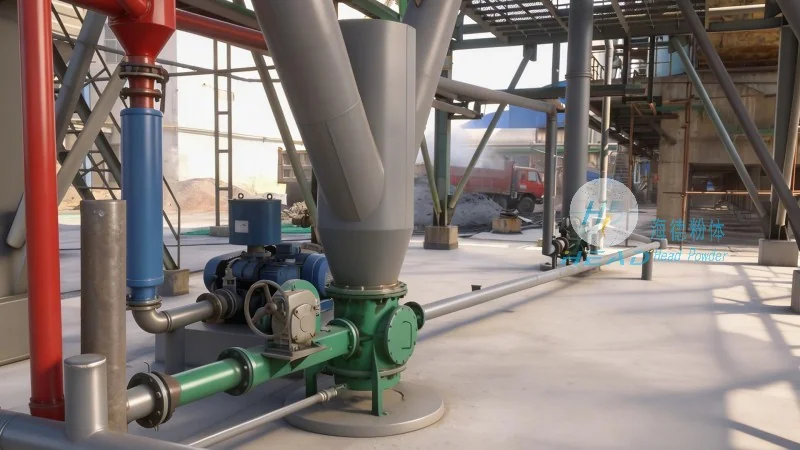
Pneumatic conveying, also known as air-based conveying, is one of the most common methods for metal iron powder transport. This technology uses compressed air to move the powder through a pipeline. There are two main types: dilute-phase and dense-phase pneumatic conveying. Dilute-phase systems are suitable for short distances and low to medium capacities, while dense-phase systems are ideal for longer distances and higher capacities, offering better control over material flow and reduced product degradation. The system typically includes a hopper, a feeder, a compressor, and a receiver. For metal iron powder, this method is particularly effective in preventing contamination and ensuring a clean transfer process.

2. Screw Conveyors
Screw conveyors, or auger conveyors, are another widely used method for metal iron powder conveyance. These systems consist of a rotating screw inside a tube or trough, which moves the powder forward. Screw conveyors are suitable for horizontal, inclined, or vertical transport, depending on the design. They are particularly effective for handling powders with good flowability and moderate to high bulk densities. The key advantages include simplicity, low maintenance, and the ability to operate in a closed system, which helps maintain product purity. Shandong HeadPowder Engineering Co., Ltd. offers customized screw conveyor solutions tailored to the specific characteristics of metal iron powder, ensuring optimal performance and efficiency.
3. Vibrating Conveyors
Vibrating conveyors utilize vibration to move metal iron powder along a conveyor bed. The system consists of a trough supported by vibration motors or an unbalanced rotor, which causes the trough to vibrate at a specific frequency. This vibration helps to fluidize the powder and move it forward. Vibrating conveyors are ideal for handling powders with poor flowability or high moisture content, as the vibration helps to break up agglomerates and improve flow characteristics. They are also suitable for long-distance horizontal transport and can be designed to operate in a closed or open system. The technology is particularly effective for metal iron powder applications where gentle handling is required to prevent particle breakage or degradation.
4. Belt Conveyors
Belt conveyors are a classic method for bulk material handling, including metal iron powder. These systems use a continuous belt that moves over rollers or pulleys to transport the powder. Belt conveyors are suitable for both horizontal and inclined transport and can handle a wide range of bulk densities and particle sizes. They are particularly effective for long-distance transport and high-capacity applications. The key advantages include high throughput, low maintenance, and the ability to handle a variety of materials. However, belt conveyors may require more space and may not be suitable for powders with very fine particles or high moisture content, as they can lead to belt slip or material buildup. Shandong HeadPowder Engineering Co., Ltd. provides belt conveyor systems designed with features such as adjustable speed and tension control to optimize performance for metal iron powder.
5. Hydraulic Conveying
Hydraulic conveying, also known as slurry transport, involves moving metal iron powder in a liquid medium. The powder is mixed with a liquid (such as water or oil) to form a slurry, which is then pumped through a pipeline. This method is particularly effective for handling powders with high moisture content or those that are difficult to convey dry. Hydraulic conveying can handle long distances and high capacities, but it requires additional equipment for slurry preparation and separation. The main advantage is the ability to transport materials that are otherwise difficult to convey dry, while the main disadvantage is the need for additional processing steps to recover the liquid and powder. For metal iron powder applications, this method is often used in specialized processes where the powder needs to be mixed with a liquid before further processing.
Conclusion and Recommendations
Selecting the right metal iron powder conveyance method requires careful consideration of the specific application requirements. Pneumatic conveying offers flexibility and cleanliness, screw conveyors provide simplicity and reliability, vibrating conveyors handle difficult-to-flow materials, belt conveyors offer high capacity for long distances, and hydraulic conveying is suitable for wet or sticky powders. Companies like Shandong HeadPowder Engineering Co., Ltd. specialize in designing and manufacturing customized conveying systems that meet the unique needs of each client. By understanding the properties of the metal iron powder and the operational constraints, businesses can choose the most effective conveyance method to enhance productivity, ensure product quality, and reduce operational costs.