

What is Potash Fertilizer Pneumatic Conveying? An Introduction to the Working Principles of Powder H
Potash fertilizer, a vital component in modern agriculture, requires efficient and reliable transportation systems to ensure optimal distribution and application. The process of moving these fine powders from storage to processing or field application involves specialized equipment designed to handle the unique challenges of powder handling. This article explores the concept of potash fertilizer pneumatic conveying, detailing the working principles of powder handling systems and how they contribute to the seamless operation of fertilizer production and distribution.

Company Introduction
HeadPowder, a leading provider in the field of powder handling technology, specializes in developing and manufacturing advanced systems for the agricultural and industrial sectors. With a strong presence in Shandong, China, the company has established itself as a trusted partner for businesses seeking efficient and durable solutions for their material handling needs. HeadPowder's commitment to innovation and quality ensures that their products meet the highest standards, delivering reliable performance in demanding environments.
The Working Principles of a Potash Fertilizer Pneumatic Conveying System
The core of a potash fertilizer pneumatic conveying system lies in its ability to transport fine powders through a network of pipes using air pressure. This method, known as pneumatic conveying, offers several advantages over traditional mechanical systems, including reduced maintenance, lower energy consumption, and the ability to handle a wide range of powder characteristics. The system typically consists of several key components: a feeding hopper, a conveyor line, a control unit, and a dust collection system.
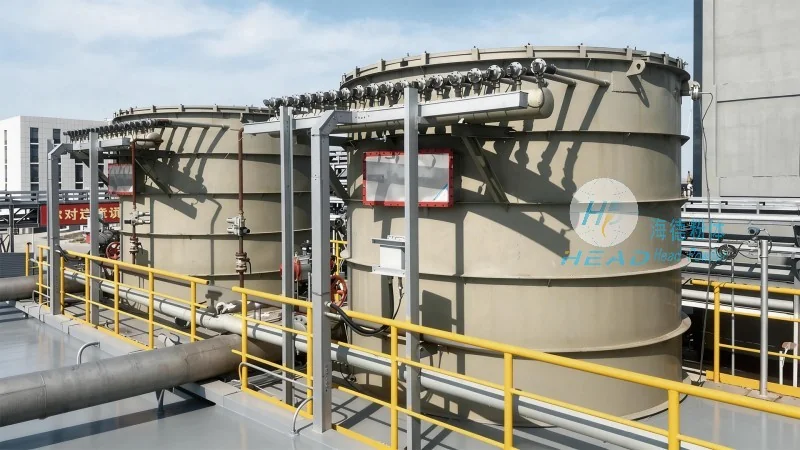
Feeding Hopper: This component is responsible for storing and feeding the potash fertilizer into the system. It is designed to handle bulk quantities of material and ensure a consistent flow into the conveyor line. The hopper may include features such as level sensors and flow control mechanisms to maintain optimal operation.
Conveyor Line: The conveyor line is the main pathway for the powder, typically made of stainless steel or other corrosion-resistant materials to withstand the chemical properties of potash. The line is connected to a series of pipes that transport the material from the hopper to the processing or storage area. The design of the line, including bends and fittings, is crucial for maintaining the efficiency of the system and preventing material buildup or blockages.

Control Unit: The control unit manages the entire operation of the pneumatic conveying system. It regulates the air pressure, flow rate, and timing of the material movement, ensuring that the system operates smoothly and safely. Modern control units often include digital interfaces and monitoring capabilities, allowing operators to track performance and make adjustments as needed.
Dust Collection System: As the powder is transported through the pipes, fine particles may become airborne, posing a health and safety risk. The dust collection system, typically an air filter or cyclone separator, captures these particles and returns them to the conveyor line, preventing contamination and maintaining a clean working environment.
Applications and Advantages
Potash fertilizer pneumatic conveying systems are widely used in fertilizer manufacturing plants, where they play a critical role in moving raw materials and finished products. The advantages of this system include improved safety due to reduced manual handling, increased efficiency through automated operation, and lower operational costs compared to traditional methods. Additionally, the system's ability to handle fine powders without degradation makes it ideal for applications where product quality is paramount.

Maintenance and Care
To ensure the long-term performance and reliability of a potash fertilizer pneumatic conveying system, regular maintenance is essential. This includes cleaning the conveyor line and hopper to prevent material buildup, inspecting the control unit for proper operation, and checking the air filter or dust collection system for efficiency. HeadPowder provides comprehensive maintenance services and spare parts to support their customers, ensuring that their systems remain in optimal condition.
Conclusion
In conclusion, potash fertilizer pneumatic conveying systems represent a sophisticated solution for the efficient handling of fine powders in the agricultural industry. By understanding the working principles of these systems and leveraging the expertise of companies like HeadPowder, businesses can enhance their operational efficiency, reduce costs, and ensure the safe and reliable distribution of potash fertilizer. The continuous advancement of powder handling technology continues to improve the performance of these systems, making them an indispensable part of modern fertilizer production and distribution.