

What is an Alloy Powder Pneumatic Conveying System? What are its Design Principles?
Alloy powder pneumatic conveying systems are critical in industrial processes for transporting fine powders, especially in the manufacturing of high-performance alloys. These systems use compressed air or other gases to move material through a network of pipes, offering advantages like dust control, flexibility, and reduced maintenance compared to traditional mechanical systems. Understanding the design principles behind such systems is essential for optimizing performance and ensuring reliable operation in demanding applications.
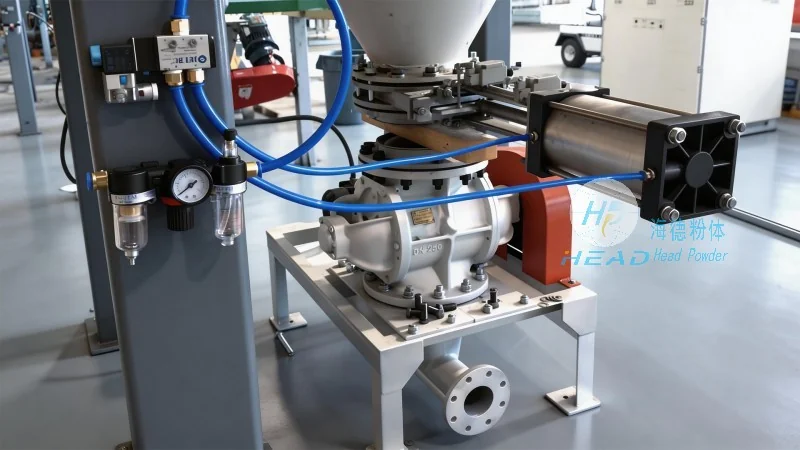
Introduction to Alloy Powder Pneumatic Conveying Systems
Shandong HeadPowder Engineering Co., Ltd., a leading provider in the field, specializes in developing and implementing advanced pneumatic conveying solutions tailored to the unique requirements of alloy powder handling. Based in Shandong, China, the company leverages decades of experience to deliver systems that enhance efficiency and safety in material transport. The following sections explore the fundamental components and design principles that underpin effective alloy powder pneumatic conveying systems.
Key Components of a Pneumatic Conveying System
A typical alloy powder pneumatic conveying system consists of several interconnected components, each playing a crucial role in the material transport process. The primary elements include a material feed hopper, a conveying line (often made of stainless steel or other corrosion-resistant materials), a blower or air compressor to generate the necessary airflow, and a separation or collection unit at the end of the line. Additional components may include filters, cyclones, and control valves to regulate flow and maintain system efficiency.

Design Principles for Efficient Material Transport
The design of an alloy powder pneumatic conveying system is governed by several key principles aimed at ensuring optimal performance and reliability. One of the most critical factors is the selection of the appropriate air velocity, which must be high enough to entrain the powder particles but low enough to prevent excessive wear on the system components. Engineers at Shandong HeadPowder Engineering Co., Ltd. carefully calculate the required velocity based on the particle size, density, and flow rate of the alloy powder being transported.
Another essential design principle is the proper sizing and configuration of the conveying line. The diameter and length of the pipes are determined by the material's flow characteristics and the desired throughput. For alloy powders, which often have a tendency to agglomerate or settle, the system may incorporate features like pulse jets or rotary valves to maintain consistent flow and prevent blockages. The use of smooth, non-porous pipe surfaces is also critical to minimize friction and ensure the powder remains suspended in the air stream.

Separation and Collection Systems
At the end of the conveying line, a separation system is necessary to convert the air-powder mixture back into a solid material. Common separation methods include cyclones, bag filters, or electrostatic precipitators. For alloy powders, which may be valuable or hazardous, the separation process must be efficient and clean. Shandong HeadPowder Engineering Co., Ltd. designs custom separation units that meet the specific purity and recovery requirements of each application, ensuring that the final product is free from contaminants and meets quality standards.
Advantages of Pneumatic Conveying for Alloy Powders
Compared to mechanical conveying methods, pneumatic systems offer several advantages for handling alloy powders. These include the ability to transport materials over long distances without the need for multiple transfer points, reduced risk of product contamination due to enclosed systems, and improved safety by eliminating the need for manual handling of powders. Additionally, pneumatic conveying systems can be easily integrated with other processing equipment, such as mixing or sintering machines, to create a seamless production line.

Applications in the Alloy Industry
Alloy powder pneumatic conveying systems are widely used in various applications within the alloy manufacturing industry. These include the transport of metal powders for additive manufacturing, powder metallurgy processes, and the production of high-strength alloys used in aerospace and automotive applications. In each case, the system must be designed to handle the specific properties of the alloy powder, such as its particle size distribution, moisture content, and chemical reactivity. Shandong HeadPowder Engineering Co., Ltd. works closely with clients to understand these requirements and develop tailored solutions that maximize efficiency and minimize downtime.
Conclusion and Future Directions
As the demand for high-performance alloys continues to grow, the importance of reliable and efficient material handling systems cannot be overstated. Alloy powder pneumatic conveying systems, with their robust design principles and advanced components, remain a cornerstone of modern industrial processes. Shandong HeadPowder Engineering Co., Ltd. remains committed to innovation, continuously improving its systems to meet the evolving needs of the alloy industry. By focusing on the fundamental design principles and leveraging advanced engineering techniques, the company ensures that its customers receive solutions that are not only effective but also sustainable and cost-efficient.