

Comparison of Common Corn Kernel Conveying Methods
For agricultural and industrial operations, the efficient handling of corn kernels is crucial. Various conveying methods are employed to move these kernels from one location to another, each with its own advantages and limitations. This article provides a detailed comparison of common corn kernel conveying methods, focusing on their functionality, applications, and operational considerations.
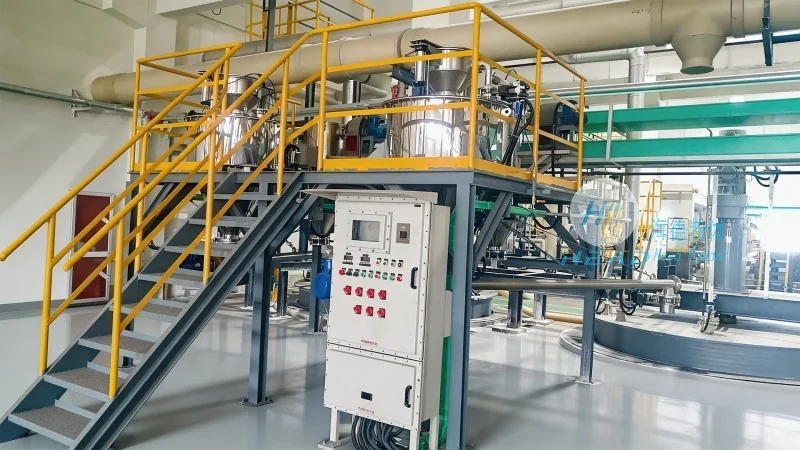
Overview of Corn Kernel Conveying Systems
Corn kernel conveying systems are integral to the processing and storage of corn. These systems ensure that kernels are moved safely and efficiently from fields, storage facilities, or processing plants to the next stage of production. The choice of conveying method depends on factors such as the volume of corn, the distance to be covered, the need for gentle handling, and the environmental conditions. Common methods include gravity, mechanical, and pneumatic conveying, each offering unique benefits for different operational needs.
Gravity Conveying: The Basics
Gravity conveying relies on the natural force of gravity to move corn kernels from a higher elevation to a lower one. This method is simple, cost-effective, and requires minimal energy input. It is often used in short-distance applications where the elevation difference is sufficient to facilitate movement. The system typically consists of inclined chutes or troughs that allow kernels to slide down under their own weight. Gravity conveyors are ideal for handling dry, free-flowing corn kernels without the need for additional power. However, they are limited by the distance and elevation change available, as excessive length or low slope may hinder effective movement.

Mechanical Conveying: Power and Precision
Mechanical conveying uses mechanical devices to transport corn kernels. This category includes belt conveyors, screw conveyors, and chain conveyors, among others. Belt conveyors are widely used for horizontal or slightly inclined transport, capable of moving large volumes of kernels over long distances. Screw conveyors, or augers, are effective for vertical or inclined transport, often used in storage silos to move kernels from lower to upper levels. Chain conveyors provide robust solutions for heavy or abrasive materials, ensuring reliable operation in demanding environments. Mechanical conveyors offer high capacity and precise control, making them suitable for industrial processing plants. However, they require regular maintenance and can be more expensive to install compared to gravity systems.

Pneumatic Conveying: Flexible and Versatile
Pneumatic conveying uses air pressure to transport corn kernels through a pipeline. This method is highly flexible, allowing for both horizontal and vertical movement over long distances. It is particularly useful for applications requiring gentle handling, such as moving kernels with a high moisture content or those prone to breakage. Pneumatic systems can be designed as positive or negative pressure systems, with positive pressure pushing the kernels through the line and negative pressure sucking them in. This versatility makes pneumatic conveying suitable for complex layouts and integration with other processing equipment. However, it may require higher energy consumption and careful management of air flow to prevent material degradation or system blockages.

Factors to Consider When Choosing a Conveying Method
The selection of an appropriate corn kernel conveying method involves evaluating several key factors. First, the volume and characteristics of the corn (e.g., moisture content, size, and density) influence the choice. For example, wet or sticky kernels may require mechanical or pneumatic systems to avoid clogging. Second, the distance and elevation between the source and destination are critical. Gravity systems are best for short, steep inclines, while mechanical and pneumatic systems are preferred for longer distances or complex layouts. Third, operational costs, including energy consumption, maintenance, and initial investment, play a significant role. Gravity systems offer low operating costs but limited range, whereas mechanical and pneumatic systems may have higher upfront costs but lower long-term expenses. Finally, the specific requirements of the processing plant, such as the need for gentle handling or integration with other equipment, must be considered.
Conclusion and Recommendations
Each corn kernel conveying method has its strengths and is suitable for specific applications. Gravity conveying is ideal for simple, low-cost solutions over short distances. Mechanical conveyors provide high capacity and precision for industrial settings. Pneumatic systems offer flexibility and gentle handling for diverse operations. When selecting a conveying method, it is essential to assess the operational needs, cost implications, and technical requirements of the project. By understanding the characteristics of each method, businesses can choose the most efficient and effective solution for their corn kernel handling needs. Shandong HeadPowder Engineering Co., Ltd. (headpowder) specializes in providing tailored conveying solutions that meet the unique demands of agricultural and industrial operations, ensuring reliable and efficient corn kernel transport.