

What is a Corn Feed Pneumatic Conveying System? And What Are Its Design Principles?
For those in the agricultural and feed processing industries, understanding the technology behind efficient material handling is crucial. A key component in many feed mills and grain handling operations is the corn feed pneumatic conveying system. This system plays a vital role in transporting corn and other feed ingredients from storage to processing areas with precision and efficiency. In this article, we will explore what a corn feed pneumatic conveying system is and delve into the fundamental design principles that govern its operation.
Understanding Corn Feed Pneumatic Conveying Systems
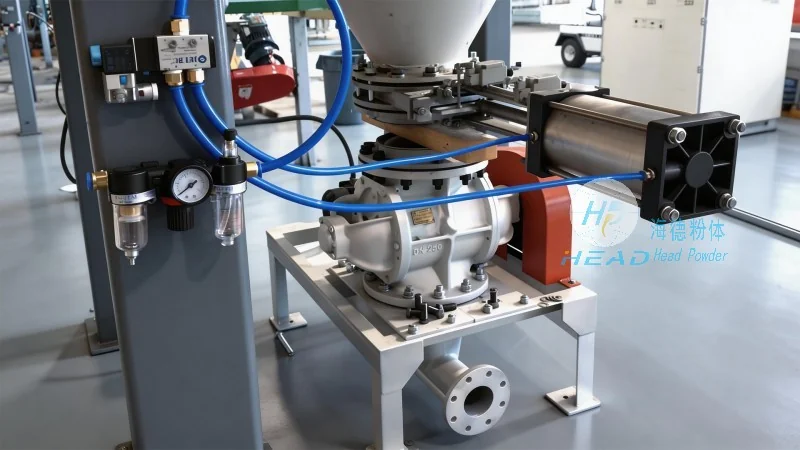
A corn feed pneumatic conveying system is a mechanical system that uses air or gas to transport bulk materials, such as corn kernels, feed pellets, or other grain products. Unlike traditional mechanical conveyors that rely on belts or screws, pneumatic systems utilize the force of air to move materials through a network of pipes. The system typically consists of several key components, including a feeder, a blower or compressor, a conveying line, a separator, and a dust collection system. The feeder ensures a consistent flow of material into the system, while the blower generates the necessary air pressure to move the material through the pipes. The conveying line, often made of stainless steel or other corrosion-resistant materials, carries the material and air mixture to the destination. The separator then separates the material from the air, allowing the material to be discharged at the receiving point and the air to be filtered and recirculated or expelled.
Design Principles of Corn Feed Pneumatic Conveying Systems
The design of a corn feed pneumatic conveying system is a complex process that requires careful consideration of several factors to ensure optimal performance, efficiency, and durability. The primary design principles include material characteristics, system configuration, and operational parameters. First, the properties of the corn feed material must be thoroughly analyzed. Corn kernels and feed ingredients vary in size, shape, moisture content, and flowability. These characteristics directly impact the system's design, as different materials may require different feeder types, air velocities, and pipe diameters. For example, wet or sticky corn may need a more robust feeder to prevent blockages and a higher air velocity to maintain flow. The system designer must also consider the desired conveying distance and the required throughput. The length of the conveying line and the volume of material to be moved per hour will influence the selection of the blower's capacity and the pipe size. Additionally, the system's efficiency and energy consumption are critical design considerations. Engineers aim to minimize energy use while maintaining sufficient air pressure to move the material without excessive pressure drops or material degradation. This involves optimizing the air velocity, pipe diameter, and the number of bends or fittings in the system to reduce friction losses. The design also incorporates safety and maintenance aspects. Proper sealing of components prevents dust emissions and ensures the system operates within safe pressure limits. Regular maintenance points, such as access panels for cleaning and inspection, are integrated into the design to facilitate upkeep and extend the system's lifespan.

Key Components and Their Functions in a Corn Feed Pneumatic Conveying System
Each component of a corn feed pneumatic conveying system serves a specific function, working in concert to achieve efficient material transport. The feeder is the entry point of the system, responsible for feeding the material into the conveying line at a controlled rate. There are various types of feeders, including rotary valves, star feeders, and screw feeders, each suited to different material characteristics. The choice of feeder depends on factors like material flowability, particle size, and the need for precise control. The blower or compressor is the heart of the system, providing the necessary air pressure to move the material. Positive displacement blowers are commonly used for corn feed applications due to their ability to generate high pressure at lower volumes, which is ideal for moving dense materials like corn kernels. The conveying line is a network of pipes that transport the material and air mixture. The diameter of the pipes is determined by the material's flow rate and the air velocity required. Larger diameters reduce friction losses and improve efficiency, while smaller diameters may be used for shorter conveying distances or when handling lighter materials. The system may include bends, elbows, and other fittings, which are designed to minimize pressure drop and maintain the material's flow. The separator is a critical component that separates the material from the air at the end of the conveying line. This is typically achieved through a cyclone separator, which uses centrifugal force to separate the heavier material from the lighter air. The separated material is then discharged into a receiving bin or hopper, while the air is directed to a dust collection system. The dust collection system filters the air to remove any residual dust or particles, ensuring compliance with environmental regulations and maintaining air quality in the facility. This system may include filters, such as baghouse filters or cartridge filters, and a fan to draw air through the system and expel it from the facility.
Customization and Application in Feed Processing
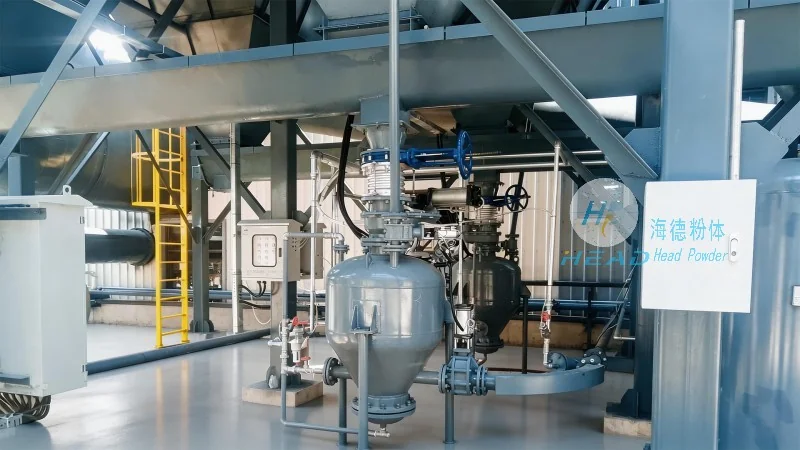
One of the significant advantages of corn feed pneumatic conveying systems is their adaptability to different feed processing applications. Whether used in a small-scale feed mill or a large industrial facility, these systems can be customized to meet specific operational needs. The design can be tailored to handle various feed ingredients, including corn, soybeans, wheat, and other grains, as well as processed feed products like pellets or mash. The system's flexibility allows it to integrate seamlessly with existing processing lines, enhancing overall operational efficiency. For example, in a corn feed mill, the system may be used to transport raw corn from storage silos to a grinding or milling unit, and then to a mixing and pelleting line. The ability to handle different stages of the feed production process makes the pneumatic conveying system an essential part of modern feed processing operations. Additionally, the system's ability to handle both dry and slightly moist materials makes it suitable for a wide range of feed products, from raw grains to finished feed products. This versatility is particularly valuable in industries where feed formulations may change frequently or where different feed types need to be processed in the same facility.
Conclusion and Company Overview
In conclusion, a corn feed pneumatic conveying system is a sophisticated and efficient method for transporting bulk feed materials, such as corn, in agricultural and feed processing operations. The design of these systems is based on fundamental principles that consider material characteristics, system configuration, and operational efficiency. By carefully selecting and integrating components like feeders, blowers, conveying lines, and separators, engineers can create a system that meets the specific needs of a feed mill or processing facility. Shandong HeadPowder Engineering Co., Ltd., a leading manufacturer in this field, specializes in designing and manufacturing high-quality corn feed pneumatic conveying systems. With years of experience in the industry, the company provides customized solutions tailored to the unique requirements of each client. Based in Shandong, China, HeadPowder Engineering leverages advanced technology and engineering expertise to deliver reliable, efficient, and durable systems that enhance the productivity and efficiency of feed processing operations worldwide.