

What is a Quantitative Feeding Powder Conveying System? What Are Its Design Principles?
Quantitative feeding powder conveying systems are essential in industries that handle bulk materials, such as pharmaceuticals, chemicals, and food processing. These systems are designed to accurately measure and transport powders or granules from one location to another, ensuring consistent flow rates and preventing material loss. The core of these systems lies in their ability to provide precise control over the quantity of material being conveyed, which is critical for maintaining product quality and operational efficiency.

At Shandong HeadPowder Engineering Co., Ltd., we specialize in the design and manufacturing of advanced quantitative feeding systems tailored to meet the specific needs of various industrial applications. Our systems integrate cutting-edge technology to deliver reliable performance, even with challenging materials like fine powders or abrasive granules. The company, based in Shandong, China, has built a reputation for innovation and precision in powder handling solutions.
Key Components and Their Roles in the System
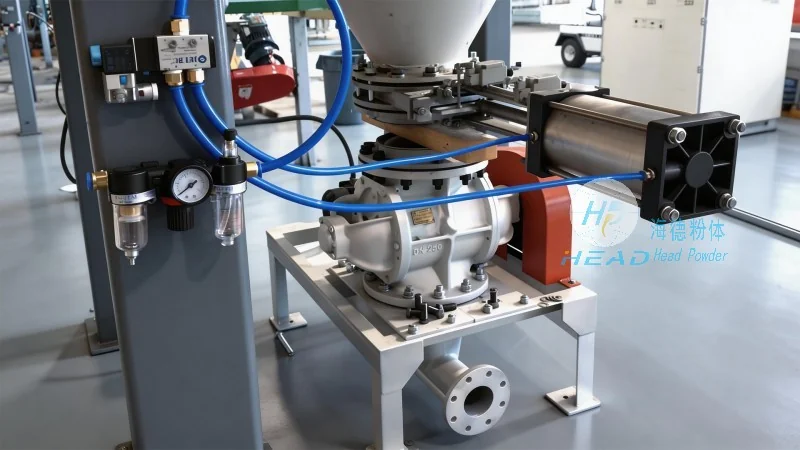
The quantitative feeding powder conveying system typically consists of several key components that work in tandem to achieve accurate material transfer. The primary components include a feeder, a conveyor, a control unit, and sometimes a hopper or storage tank. Each component plays a crucial role in the overall operation:
First, the feeder is responsible for controlling the flow rate of the material. Different types of feeders, such as screw feeders, vibratory feeders, or rotary valves, are used depending on the material's properties and the required feeding rate. The feeder ensures that the material is discharged at a consistent rate, which is then regulated by the control unit.
Next, the conveyor transports the material from the feeder to the destination. Conveyors can be pneumatic (air-driven) or mechanical (belt-driven), depending on the material's characteristics and the distance to be covered. Pneumatic conveyors are ideal for fine powders as they can handle dust and prevent material degradation, while mechanical conveyors are suitable for bulkier materials.

The control unit is the brain of the system, responsible for monitoring and adjusting the feeding rate in real-time. It uses sensors and feedback mechanisms to maintain the desired flow rate, compensating for variations in material density or conveyor speed. This closed-loop control ensures high accuracy and reliability, even under changing conditions.
Design Principles for Optimal Performance
The design of a quantitative feeding powder conveying system follows several fundamental principles to ensure efficiency and reliability. These principles are based on material properties, operational requirements, and safety considerations:
One of the key design principles is the selection of appropriate equipment based on the material's characteristics. For example, materials with high moisture content or stickiness may require special feeders or conveyors to prevent blockages. Similarly, abrasive materials need components made from durable materials like stainless steel to minimize wear and tear.
Another important principle is the integration of a closed-loop control system. This system continuously monitors the material flow and adjusts the feeder speed to maintain the desired rate. By using sensors such as load cells or flow meters, the control unit can provide real-time feedback, ensuring that the system operates within the specified parameters. This approach minimizes errors and maximizes productivity.
Additionally, the design considers the overall system layout and space constraints. The arrangement of the feeder, conveyor, and control unit must be optimized to minimize material handling time and energy consumption. Proper alignment and spacing between components also help in preventing material buildup and ensuring smooth operation.
Benefits of Using a Quantitative Feeding System
Implementing a quantitative feeding powder conveying system offers numerous benefits to industrial operations. The most significant advantage is the ability to achieve precise material control, which directly impacts product quality and consistency. By maintaining a consistent flow rate, manufacturers can reduce variability in their products, leading to higher customer satisfaction and reduced waste.
Another benefit is improved operational efficiency. Accurate feeding reduces the need for manual adjustments and reduces downtime caused by material blockages or overfeeding. This leads to lower labor costs and increased throughput. Moreover, the closed-loop control system minimizes the risk of over or under-feeding, which can be costly in terms of material loss or product defects.
From a safety perspective, quantitative feeding systems help in preventing dust explosions and material-related accidents. By controlling the flow rate and containing dust, these systems reduce the risk of fire or explosion hazards, especially in industries dealing with flammable powders. This enhances workplace safety and compliance with regulatory standards.
Conclusion
In conclusion, quantitative feeding powder conveying systems are sophisticated solutions that combine precise control with efficient material handling. The design principles, including appropriate component selection, closed-loop control, and optimized system layout, are crucial for achieving reliable performance. Companies like Shandong HeadPowder Engineering Co., Ltd. play a vital role in providing these advanced systems, ensuring that industries can meet their production and quality goals effectively.