

What is a Dry Powder Material Conveying System? What are the Design Principles?
For industries dealing with dry powders, such as cement, chemical powders, or pharmaceuticals, efficient and reliable material handling is crucial. A dry powder material conveying system is a specialized equipment setup designed to transport bulk dry powders from one location to another without compromising the material's quality or integrity. These systems are essential for maintaining process efficiency, reducing downtime, and ensuring safety in industrial operations. In this article, we will explore what constitutes a dry powder material conveying system and delve into the key design principles that underpin its functionality.

Key Components of a Dry Powder Conveying System
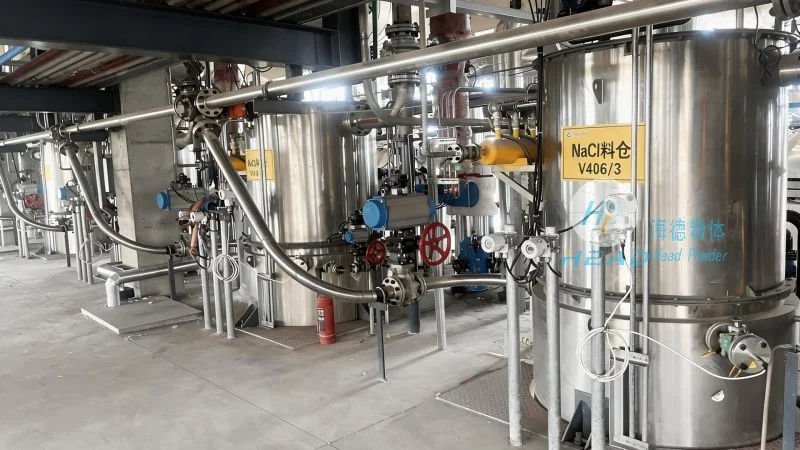
At the core of any dry powder material conveying system are several critical components that work in tandem to ensure smooth material transport. The primary components typically include a hopper or feeder to store and meter the powder, a conveyor mechanism (such as a screw conveyor, pneumatic conveyor, or belt conveyor), and a control system to regulate the flow and operation. The hopper is designed to hold the bulk material and often features a discharge valve or gate to control the flow rate. The feeder, which may be a rotary valve or a vibratory feeder, ensures a consistent and controlled feed of the powder into the conveyor. The conveyor itself is the heart of the system, responsible for moving the material through the pipeline or along a belt. For pneumatic conveying systems, the conveyor utilizes air pressure to transport the powder, while mechanical systems rely on physical force to move the material. Additionally, a dust collection system is often integrated to capture and filter any airborne particles, ensuring compliance with environmental regulations and maintaining a clean working environment.

Design Principles for Optimal Performance
The design of a dry powder material conveying system is governed by several key principles aimed at maximizing efficiency, minimizing material degradation, and ensuring long-term reliability. One of the most critical principles is the prevention of material degradation, which can occur due to factors like abrasion, attrition, or exposure to air. To address this, the system's components are typically made from materials that are resistant to the specific powder being handled, such as stainless steel or specialized polymers. The design also considers the flow characteristics of the powder, including its density, particle size distribution, and moisture content, as these factors influence the system's capacity and the type of conveyor best suited for the application. For example, cohesive or fine powders may require a pneumatic system with a positive pressure design to prevent blockages, while bulkier materials might be better suited for mechanical screw or belt conveyors.

HeadPowder's Expertise in Dry Powder Conveying Solutions
Shandong HeadPowder Engineering Co., Ltd., commonly known as HeadPowder, is a leading provider of customized dry powder material conveying systems tailored to the unique needs of various industries. With a strong focus on engineering excellence and customer satisfaction, HeadPowder leverages years of experience to design and manufacture systems that meet the highest standards of performance and reliability. The company's team of experts works closely with clients to understand their specific material handling challenges and develop solutions that optimize process efficiency while ensuring compliance with industry regulations. HeadPowder's systems are designed with durability and ease of maintenance in mind, reducing operational costs and minimizing downtime. The company's commitment to quality is evident in its use of advanced materials and rigorous testing protocols, ensuring that each system is built to withstand the demands of industrial environments. Whether for cement production, chemical processing, or pharmaceutical manufacturing, HeadPowder offers a range of solutions that address the diverse requirements of dry powder handling.
Conclusion: The Importance of a Well-Designed Conveying System
In conclusion, a dry powder material conveying system is a vital component of modern industrial operations, enabling efficient and safe transport of bulk dry materials. The design principles that guide these systems, including material compatibility, flow control, and dust management, are critical to ensuring optimal performance and longevity. Companies like Shandong HeadPowder Engineering Co., Ltd. play a crucial role in providing tailored solutions that meet the specific needs of different industries, helping businesses enhance their operational efficiency and maintain product quality. By investing in a well-designed dry powder conveying system, industries can achieve significant improvements in productivity, reduce costs, and ensure compliance with environmental and safety standards.