

What Are the Methods for Fine Powder Conveying? An Overview of the Advantages and Features of Pneumatic Conveying for Fine Powders
When it comes to transporting fine powders, selecting the right method is crucial for efficiency, safety, and cost-effectiveness. Fine powders, such as those used in pharmaceuticals, food processing, and chemical manufacturing, require specialized handling due to their light weight, tendency to create dust, and potential for caking or agglomeration. Traditional methods like belt conveyors or screw conveyors may not be suitable for fine powders, as they can lead to material loss, contamination, or equipment damage. This article explores the various methods for fine powder conveying and highlights the advantages of pneumatic conveying, a technology that has become increasingly popular in modern industrial applications.

Common Methods for Fine Powder Conveying
There are several conventional methods used for transporting fine powders, each with its own set of advantages and limitations. The most common approaches include:
- Belt Conveyors: These systems use a continuous belt to move materials along a fixed path. While effective for bulk materials, belt conveyors are not ideal for fine powders due to the risk of dust generation and material spillage. The fine particles can easily escape through the belt's edges or gaps, leading to environmental contamination and operational inefficiencies.
- Screw Conveyors: Screw conveyors utilize a rotating screw to push materials forward. They are suitable for some powders but can cause issues with fine powders, including blockages and increased friction. The high friction can generate heat, which may affect the quality of heat-sensitive materials, and the screw's design may not prevent the fine particles from escaping or clogging.
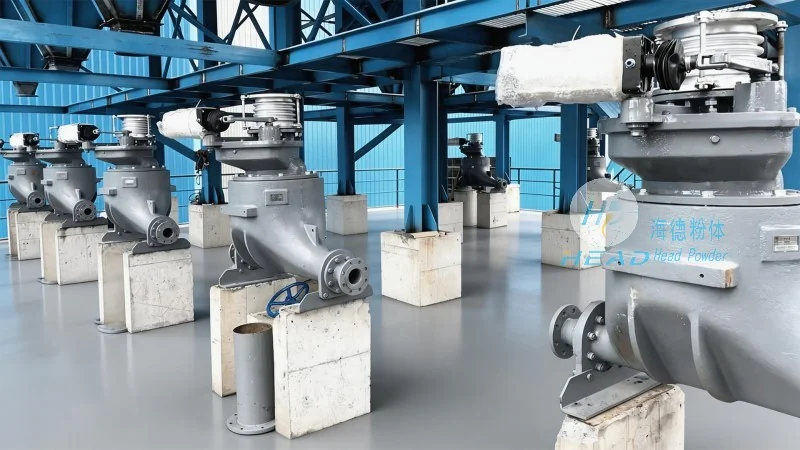
- Pneumatic Conveying: This method uses air or other gases to transport materials through a pipeline. It is particularly effective for fine powders as it minimizes dust, reduces material loss, and allows for precise control over the flow rate. Pneumatic conveying systems can be designed for both dilute and dense phase operations, providing flexibility based on the specific requirements of the application.
The Advantages of Pneumatic Conveying for Fine Powders
Pneumatic conveying, especially in its modern forms, offers numerous advantages over traditional methods for handling fine powders. These benefits make it a preferred choice for industries where material integrity and process efficiency are paramount.
- Minimized Dust and Contamination: Unlike belt or screw conveyors, pneumatic systems keep the fine powder contained within the pipeline, significantly reducing dust emissions. This not only improves workplace safety by minimizing respiratory hazards but also prevents contamination of the material, which is critical in industries like pharmaceuticals and food processing where product purity is non-negotiable.
- Reduced Material Loss: The enclosed pipeline design of pneumatic conveying systems ensures that virtually all of the fine powder is transported to the destination, minimizing losses that can occur with open systems. This leads to cost savings by reducing the need for reprocessing or replacement of lost material.
- Flexibility and Scalability: Pneumatic conveying systems can be easily scaled to accommodate varying production volumes. They can be designed for both short and long distances, and the pipeline layout can be adapted to fit the existing facility layout. This flexibility allows companies to expand their operations without significant modifications to the conveying system.
- Improved Process Control: Modern pneumatic conveying systems are equipped with advanced controls that allow for precise regulation of flow rates, pressure, and air velocity. This level of control ensures consistent material delivery, which is essential for maintaining quality in manufacturing processes. The ability to adjust these parameters in real-time also helps in responding to changes in production demands or material characteristics.
- Enhanced Safety: By containing the fine powder within the pipeline, pneumatic systems reduce the risk of dust explosions, which are a major concern in many industrial settings. The enclosed design also minimizes the exposure of workers to airborne particles, contributing to a safer working environment.
Key Features of Pneumatic Conveying Systems
Modern pneumatic conveying systems for fine powders incorporate several key features that enhance their performance and reliability. These features are designed to address the specific challenges associated with handling fine materials and ensure optimal operation.

- High-Efficiency Pumps and Blowers: The heart of any pneumatic conveying system is the air-moving equipment. High-efficiency blowers and pumps are used to generate the necessary pressure and airflow to transport the fine powder. These components are designed to operate efficiently, reducing energy consumption and operating costs over the life of the system.
- Specialized Pipeline Design: The pipelines used in pneumatic conveying systems are often made of materials that are resistant to corrosion and wear, such as stainless steel or special plastics. The design of the pipeline, including the use of bends, elbows, and expansion joints, is optimized to minimize pressure losses and prevent material buildup or clogging. The smooth interior surface of the pipeline also reduces friction, allowing for more efficient material transport.
- Control Systems and Sensors: Advanced control systems are integrated into modern pneumatic conveying systems to monitor and regulate the operation. Sensors are used to detect pressure, flow rate, and temperature, providing real-time data that helps in maintaining optimal conditions. The control systems can also be programmed to automatically adjust parameters based on the type of material or the desired flow rate, ensuring consistent performance.
- Integration with Processing Equipment: Pneumatic conveying systems can be seamlessly integrated with other processing equipment, such as mixers, classifiers, and storage silos. This integration allows for a continuous and automated material handling process, reducing the need for manual intervention and improving overall operational efficiency.
Conclusion
When considering the various methods for fine powder conveying, pneumatic conveying stands out as a superior solution due to its numerous advantages. The ability to minimize dust, reduce material loss, and provide precise control over the process makes it an ideal choice for industries that handle fine powders. Companies like Shandong HeadPowder Engineering Co., Ltd., based in China, specialize in designing and manufacturing advanced pneumatic conveying systems tailored to the specific needs of their clients. With their expertise and commitment to quality, they provide reliable solutions that enhance the efficiency and safety of fine powder handling operations worldwide.