

What is a Coffee Powder Conveyor? Exploring Its Design Principles
Coffee powder conveyors are specialized equipment designed to handle and transport coffee powder efficiently. As a key component in coffee processing and distribution, these systems ensure that coffee powder is moved safely and effectively from one stage of production to another. The design of coffee powder conveyors is critical to maintaining the quality and integrity of the coffee powder, which is essential for delivering a consistent and high-quality product to consumers. Shandong HeadPowder Engineering Co., Ltd. specializes in the design and manufacturing of such equipment, ensuring that coffee processing facilities can achieve optimal performance and product quality.
Key Components of Coffee Powder Conveyors
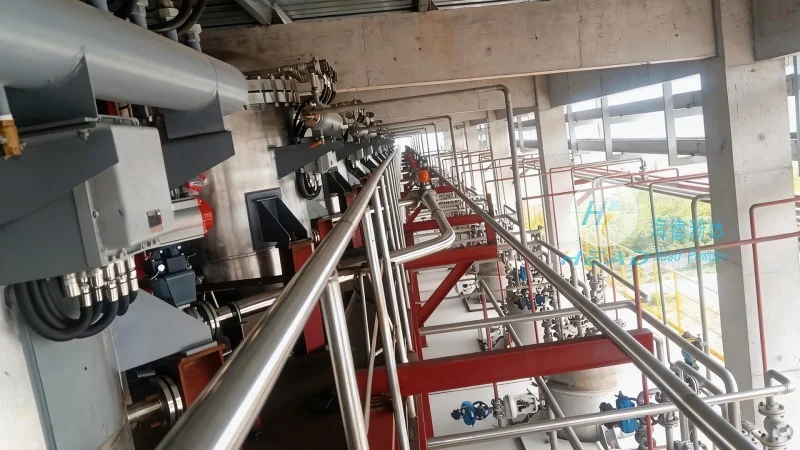
At the core of coffee powder conveyors are several key components that work together to facilitate the movement of coffee powder. These include the conveyor belt or tube, which provides the surface for the powder to travel on; the drive system, which powers the conveyor; and the control mechanisms that regulate the speed and direction of the movement. Additionally, many coffee powder conveyors are equipped with features such as dust collection systems and material separation devices to ensure that the coffee powder remains clean and free from contaminants.
Design Principles for Efficient Coffee Powder Handling
The design of coffee powder conveyors is guided by several fundamental principles aimed at optimizing performance and ensuring the quality of the coffee powder. One of the primary principles is the minimization of product degradation, which is achieved through the use of materials that are non-stick and do not absorb moisture or odors. The conveyor system is also designed to prevent segregation of the coffee powder, ensuring that the particles remain uniformly mixed and do not settle or separate based on size or density.

How Coffee Powder Conveyors Work
The operation of a coffee powder conveyor typically involves the coffee powder being fed into the system at one end, where it is then transported along the conveyor path. The drive system, often powered by electric motors, moves the conveyor belt or tube at a controlled speed, ensuring that the coffee powder moves smoothly without causing blockages or excessive friction. The control mechanisms allow operators to adjust the speed and direction of the conveyor as needed, providing flexibility in handling different types of coffee powder or adjusting to changes in production volume.
Benefits of Using Coffee Powder Conveyors
Implementing coffee powder conveyors in coffee processing facilities offers several significant benefits. Firstly, these systems enhance operational efficiency by automating the movement of coffee powder, reducing the need for manual handling and minimizing the risk of product loss or contamination. Secondly, they improve product quality by maintaining the integrity of the coffee powder throughout the transportation process, preventing issues such as clumping or degradation that can occur with manual handling. Additionally, coffee powder conveyors can help reduce labor costs and improve workplace safety by eliminating the need for workers to handle large quantities of coffee powder manually.
Applications in Coffee Processing
Coffee powder conveyors are widely used in various stages of coffee processing, from the initial grinding and drying of coffee beans to the packaging and distribution of the final product. In the grinding stage, conveyors are used to transport freshly ground coffee powder from the grinder to the storage or packaging area. During the drying process, conveyors may be used to move coffee powder through drying chambers or to transfer it between different drying stages. In the packaging stage, conveyors are essential for moving coffee powder from storage to the packaging machines, ensuring a smooth and continuous flow of product.
Choosing the Right Coffee Powder Conveyor
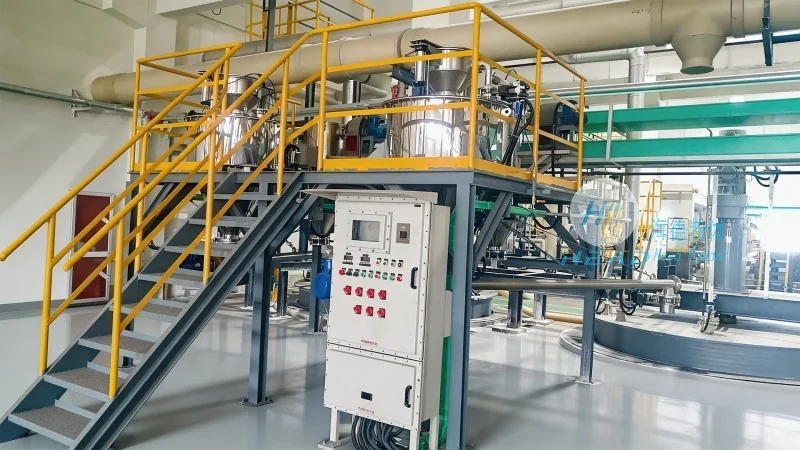
When selecting a coffee powder conveyor for a coffee processing facility, several factors should be considered to ensure the best fit for the specific needs of the operation. These factors include the volume of coffee powder to be handled, the type of coffee powder (e.g., whole bean vs. ground, or different roast levels), and the space available in the facility. It is also important to consider the material of construction, as different materials may be more suitable for handling specific types of coffee powder or for withstanding the conditions of the processing environment. Additionally, the reliability and maintenance requirements of the conveyor system should be evaluated to ensure long-term performance and minimal downtime.
Conclusion
Coffee powder conveyors are an essential piece of equipment in modern coffee processing, providing efficient and reliable transportation of coffee powder while maintaining product quality. By understanding the design principles and components of these systems, coffee processing facilities can optimize their operations and ensure consistent, high-quality coffee products. As the demand for coffee continues to grow, the importance of efficient and effective coffee powder conveyors will only increase, making them a critical investment for any coffee processing operation.