

What is a Dry Sand Material Handling System? What Are Its Design Principles?
For industries dealing with dry sand and similar granular materials, efficient material handling is crucial for operational efficiency and cost-effectiveness. A dry sand material handling system is a specialized setup designed to transport, store, and manage dry sand and other fine granular materials without the use of water or other binding agents. These systems are essential in sectors such as construction, mining, and manufacturing where dry sand is a key raw material or byproduct.

Understanding Dry Sand Material Handling Systems
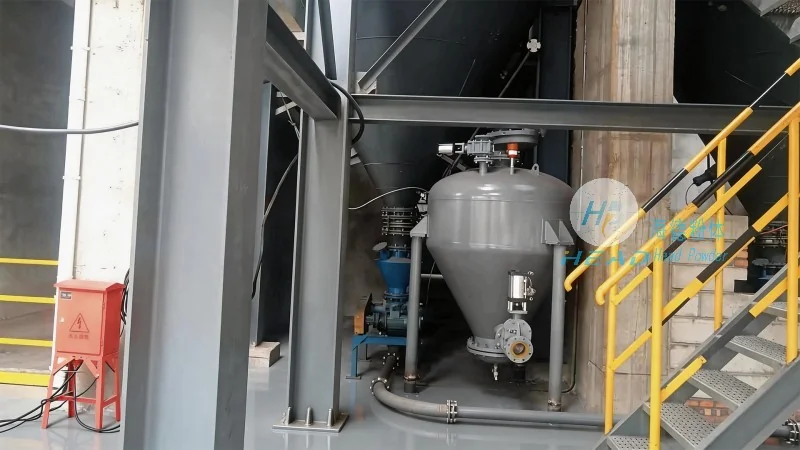
A dry sand material handling system typically comprises several components that work in tandem to ensure smooth material flow. The core elements include feeders, conveyors, storage silos, and control systems. Each component is engineered to handle the unique characteristics of dry sand, such as its fine particle size, low bulk density, and tendency to create dust. The system is designed to minimize material loss, prevent clogging, and maintain consistent flow rates, which are critical for maintaining production quality and safety standards.
Key Design Principles of Dry Sand Material Handling Systems
Shandong HeadPowder Engineering Co., Ltd., a leading provider of material handling solutions, emphasizes several key design principles when developing dry sand material handling systems. The primary focus is on the use of equipment that can handle the unique properties of dry sand, such as its fine particle size and low bulk density. This includes the selection of appropriate conveyors, feeders, and storage silos that are engineered to minimize material loss and prevent clogging. The system also prioritizes dust control and environmental protection, ensuring that the operation is safe and compliant with industry standards.
Another critical design principle is the integration of storage and feeding mechanisms. Storage silos are often equipped with aeration systems to maintain the quality of the stored sand by preventing moisture buildup and caking. The feeding equipment, such as rotary valves or belt feeders, is designed to provide a consistent and controlled flow of material to the conveyor system, ensuring that the downstream processes receive a steady supply of dry sand. This integration helps in reducing downtime and improving overall system efficiency.

Components and Their Functions in a Dry Sand Material Handling System
Each component of a dry sand material handling system plays a vital role in the overall operation. The feeders are responsible for delivering the dry sand from the storage silos to the conveyor system. They are designed to handle varying material flow rates and maintain a consistent feed, which is essential for preventing overloading or underloading of the conveyor. The conveyors, which can be either mechanical or pneumatic, transport the dry sand from one location to another within the facility. Mechanical conveyors, such as belt or screw conveyors, are preferred for their reliability and ability to handle high volumes of material. Pneumatic conveyors, on the other hand, use air pressure to move the sand, making them suitable for long-distance or high-rise applications.
The storage silos are a key part of the system, providing a large capacity for storing dry sand. These silos are typically made of durable materials like steel or concrete and are equipped with aeration systems to maintain the quality of the stored material. The silos also include level indicators and discharge valves to monitor and control the material level, ensuring that the system operates efficiently and safely. The control systems, which may include sensors and automation equipment, monitor the flow rates, pressure, and other parameters to ensure that the system operates within optimal conditions.
Benefits of Implementing a Dry Sand Material Handling System
Implementing a dry sand material handling system offers several benefits to industries dealing with dry sand. One of the main advantages is improved operational efficiency. By automating the material handling process, the system reduces the need for manual labor, minimizes material loss, and ensures a consistent flow of dry sand to the production processes. This leads to increased productivity and reduced operational costs. Another benefit is enhanced safety. The system is designed to minimize dust exposure and prevent clogging, which reduces the risk of accidents and health hazards associated with handling dry sand manually.
The system also improves the quality of the final product. By maintaining consistent moisture levels and preventing contamination, the dry sand material handling system ensures that the end product meets the required specifications. This is particularly important in industries such as construction, where the quality of the sand directly impacts the strength and durability of the final structure. Additionally, the system helps in reducing environmental impact by controlling dust emissions and preventing material spillage.
Conclusion
In conclusion, a dry sand material handling system is a critical component for industries dealing with dry sand and similar granular materials. The system is designed to efficiently transport, store, and manage dry sand while adhering to the fundamental principles of reliability, efficiency, and safety. By integrating appropriate equipment and control systems, these systems help in optimizing operational performance and reducing costs. For companies in the construction, mining, and manufacturing sectors, investing in a well-designed dry sand material handling system is a strategic move towards improving productivity and maintaining high-quality standards.