

What is Algae Powder Material Pneumatic Conveying? What Are the Design Principles?
Algae powder material pneumatic conveying is a technology used to transport dry powder materials, such as algae powder, through a pipeline system using air or gas as the conveying medium. This method is widely applied in industries where handling fine powders is essential, including the production of algae-based products. Understanding the fundamentals of this technology and its design principles is crucial for optimizing the efficiency and reliability of the conveying process.

Understanding Algae Powder Material Pneumatic Conveying
At its core, pneumatic conveying involves the movement of solid particles suspended in a flowing gas stream. For algae powder, which is typically a fine, dry powder with specific physical properties, the conveying system must be designed to handle these characteristics effectively. The process involves feeding the powder into a hopper, where it is then drawn into a pipeline by a vacuum or pressure source. The air or gas acts as the carrier, transporting the powder from the source to the destination, such as a storage silo or processing unit.
Key Design Principles for Algae Powder Pneumatic Conveying Systems
The design of an effective algae powder pneumatic conveying system relies on several critical principles. First, the selection of the appropriate conveying method—either vacuum or pressure—depends on factors like the distance, the volume of material to be transported, and the system's layout. Vacuum systems are often used for short distances or when the material needs to be drawn from multiple sources, while pressure systems are suitable for longer distances or when the material must be pushed through the pipeline.

Second, the design must consider the physical properties of the algae powder. These properties include particle size, density, moisture content, and flowability. Fine particles, as in algae powder, are prone to agglomeration and caking, which can lead to blockages in the pipeline. Therefore, the system must incorporate features to prevent these issues, such as using appropriate hopper designs, air classifiers, or anti-caking agents. Additionally, the air velocity within the pipeline must be optimized to ensure that the powder particles remain suspended without causing excessive wear on the pipeline or equipment.
Components and System Configuration
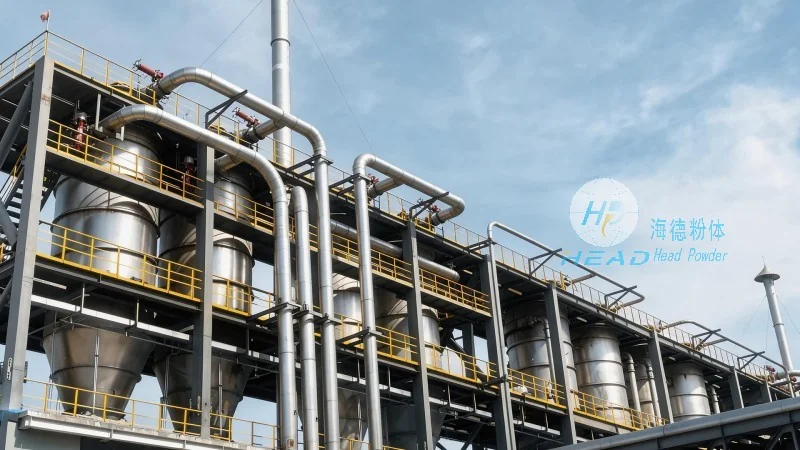
A typical algae powder pneumatic conveying system consists of several key components. These include a hopper or feeder to introduce the powder, a blower or vacuum pump to generate the air flow, a pipeline network to transport the material, and a receiver or silo to collect the material at the destination. The configuration of these components is tailored to the specific requirements of the application. For example, in a system designed for long-distance transport, the pipeline may include bends, expansions, or reductions to maintain the air velocity and prevent particle deposition.
Feeder systems are particularly important for maintaining a consistent flow of algae powder into the pipeline. Screw feeders or rotary valves are commonly used, as they can handle fine powders without causing blockages. The hopper design also plays a role in preventing material bridging or rat-holing, which can disrupt the flow. Air classifiers may be integrated into the system to separate larger particles from the fine powder, ensuring that only the desired particle size is conveyed.
Advantages and Considerations in Algae Powder Pneumatic Conveying
Implementing a pneumatic conveying system for algae powder offers several advantages. Unlike mechanical conveying methods, such as screw conveyors or belt conveyors, pneumatic systems can handle fine, dusty materials without the risk of contamination or material degradation. They also provide a more hygienic and enclosed environment, which is essential in food and pharmaceutical industries where algae-based products are used. Additionally, pneumatic conveying can be more flexible, allowing for changes in the system layout or material flow without major modifications.
However, there are also considerations to keep in mind. Pneumatic systems require more energy compared to mechanical systems, as they rely on air or gas flow. The cost of the blower or vacuum pump, along with the energy consumption, must be factored into the overall system design. Furthermore, the system must be designed to handle the potential for dust generation and air filtration, as fine powders can create airborne particles that need to be captured and filtered to comply with environmental regulations.
Application Examples and Case Studies
Algae powder pneumatic conveying is widely used in various applications, particularly in the production of algae-based biofuels, food supplements, and cosmetics. For instance, in a biofuel plant, the system may be used to transport algae powder from a drying and grinding unit to a storage silo or a processing reactor. In a food supplement manufacturing facility, the conveying system ensures that the algae powder is delivered to the production line without contamination, maintaining product quality and safety.

Case studies from companies like Shandong HeadPowder Engineering Co., Ltd. have demonstrated the effectiveness of well-designed pneumatic conveying systems for algae powder. These companies specialize in providing customized solutions tailored to the unique needs of each client. By leveraging their expertise in material handling and pneumatic systems, they have helped clients optimize their production processes, reduce material loss, and improve overall operational efficiency.
Conclusion and Future Outlook
In conclusion, algae powder material pneumatic conveying is a sophisticated technology that plays a vital role in the efficient handling of fine powder materials. The design principles, which consider the physical properties of the material, the system configuration, and operational requirements, are essential for ensuring the reliability and effectiveness of the conveying process. As the demand for algae-based products continues to grow, the importance of advanced material handling technologies like pneumatic conveying will only increase. Companies like Shandong HeadPowder Engineering Co., Ltd. are at the forefront of developing and implementing these systems, helping industries meet their production needs while maintaining high standards of efficiency and quality.