

What is the pneumatic conveying of furfural slag material? What are the design principles?
When it comes to handling and transporting furfural slag material, pneumatic conveying systems offer an efficient and effective solution. This article explores the fundamental aspects of pneumatic conveying for furfural slag, focusing on the core design principles that underpin such systems. By understanding these principles, industries can optimize material handling processes, enhance operational efficiency, and ensure safe and reliable transport of this specific waste product.

Introduction to Pneumatic Conveying for Furfural Slag
Pneumatic conveying, also known as pneumatic transport, is a method of transporting bulk materials through a pipeline using air or other gas as the conveying medium. In the context of furfural slag—a byproduct of the furfural production process—this technology is particularly valuable due to the material's characteristics, such as its abrasive nature and potential for dust generation. The primary goal of pneumatic conveying systems for furfural slag is to move the material from a source (e.g., a storage silo or reactor) to a destination (e.g., a treatment facility or disposal site) with minimal loss, contamination, and operational downtime.
About HeadPowder Engineering Co., Ltd.
HeadPowder Engineering Co., Ltd., a leading provider of bulk material handling solutions, specializes in designing and manufacturing customized pneumatic conveying systems tailored to the unique needs of various industries. With a strong commitment to innovation and quality, HeadPowder has established itself as a trusted partner for clients seeking reliable and efficient material transport solutions. The company's expertise spans the entire lifecycle of pneumatic conveying systems, from initial design and engineering to installation, commissioning, and ongoing support. HeadPowder operates from Shandong, China, leveraging local resources and a skilled workforce to deliver high-performance solutions that meet international standards.

Key Design Principles for Pneumatic Conveying Systems
The design of a pneumatic conveying system for furfural slag involves several critical principles that ensure optimal performance and durability. First, the system must be engineered to handle the material's physical properties, including its particle size distribution, density, and abrasiveness. This often requires the use of specialized components, such as high-quality pipelines, valves, and pumps, to prevent wear and tear and maintain system integrity over time. Second, the system's capacity and flow rate must be carefully calculated to match the production rate of the furfural plant. This involves determining the appropriate air velocity and pressure to achieve efficient transport without excessive energy consumption or material degradation. Third, the system must incorporate effective dust control measures to minimize environmental impact and ensure worker safety. This may include the use of filters, cyclones, and other air purification equipment to capture and remove particulate matter from the conveying air.
Components and Working Mechanism
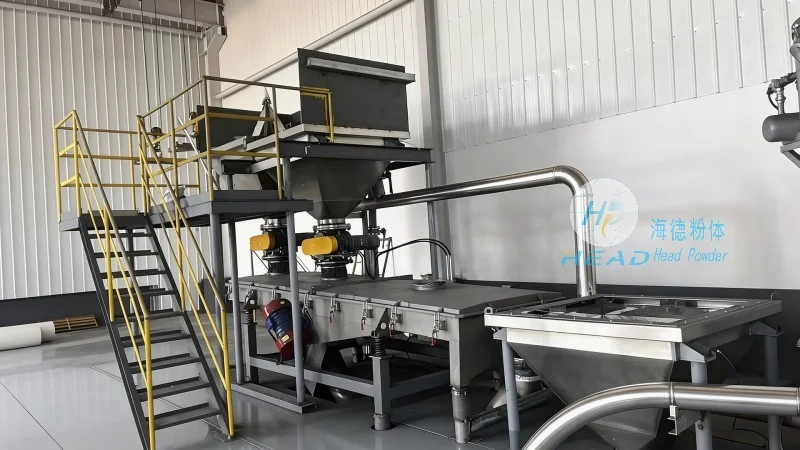
A typical pneumatic conveying system for furfural slag consists of several key components that work in tandem to achieve the desired transport. The main components include a material feed hopper, a conveying pipeline, a blower or compressor to generate the air flow, and a discharge device at the receiving end. The material is first fed into the hopper, where it is then introduced into the pipeline under the influence of the air stream. The air velocity is maintained at a level sufficient to lift and transport the material particles through the pipeline. At the receiving end, the material is discharged into a storage bin or processing unit, while the air is filtered and returned to the system or released to the atmosphere. The choice of components, such as the type of blower (positive displacement or centrifugal), the diameter of the pipeline, and the design of the feed and discharge mechanisms, all play a crucial role in the system's overall performance and efficiency.

Advantages of Pneumatic Conveying for Furfural Slag
Implementing a pneumatic conveying system for furfural slag offers numerous advantages over traditional methods, such as belt conveyors or manual handling. One of the most significant benefits is the ability to transport material over long distances with minimal infrastructure requirements. Pneumatic systems can be installed in a variety of configurations, including vertical, horizontal, or a combination of both, to suit the layout of the facility. This flexibility allows for efficient integration with existing plant equipment and reduces the need for extensive civil works. Another key advantage is the reduced risk of material contamination and cross-contamination compared to other transport methods. Pneumatic systems are enclosed, preventing exposure to external elements and ensuring that the furfural slag remains in a controlled environment throughout the transport process. Additionally, pneumatic conveying systems can be designed to operate at high speeds, reducing the overall time required for material transport and improving production throughput. This can lead to increased productivity and lower operational costs for the furfural plant.
Considerations for System Maintenance and Longevity
Like any industrial equipment, pneumatic conveying systems for furfural slag require regular maintenance to ensure optimal performance and extend their service life. Proper maintenance involves monitoring key parameters, such as air pressure, flow rate, and material feed rate, to detect any deviations or issues early. Regular inspection of components, including pipelines, valves, and filters, is essential to identify signs of wear or damage and address them promptly. The abrasive nature of furfural slag can cause accelerated wear on system components, particularly in the pipeline and feed mechanisms. Therefore, using high-quality, wear-resistant materials for these components is critical to minimize maintenance frequency and reduce downtime. Additionally, implementing a preventive maintenance schedule, including routine cleaning of filters and replacement of worn parts, can help maintain the system's efficiency and reliability over time. HeadPowder Engineering Co., Ltd. provides comprehensive maintenance services and support to its clients, ensuring that their pneumatic conveying systems operate at peak performance and meet the highest standards of safety and efficiency.
Conclusion
In conclusion, pneumatic conveying of furfural slag material is a highly effective and reliable method for transporting this specific waste product. The design principles that govern such systems, including proper component selection, material handling considerations, and dust control measures, are essential to achieving optimal performance and operational efficiency. With the expertise and experience of companies like HeadPowder Engineering Co., Ltd., industries can implement customized pneumatic conveying solutions that meet their unique requirements and contribute to improved overall plant performance. By understanding and applying these design principles, furfural plants can enhance their material handling capabilities, reduce operational costs, and ensure a safer and more sustainable operation.