

What is a mineral particulate material pneumatic conveying system? What are its design principles?
Exploring the intricacies of pneumatic conveying systems for mineral particulate materials reveals a sophisticated technology that underpins efficient material handling in numerous industrial sectors. This article delves into the fundamental aspects of such systems, emphasizing their design principles and operational dynamics, while highlighting the expertise of Shandong HeadPowder Engineering Co., Ltd., a leading enterprise in the field.

Introduction to Mineral Particulate Material Pneumatic Conveying
A pneumatic conveying system is a method of transporting solid particles through a pipeline using a pressurized or suctioned air stream. In the context of mineral particulate materials, these systems are widely employed in industries like mining, cement production, and chemical processing to move bulk materials from one location to another with minimal manual intervention. The system's effectiveness hinges on its design, which must consider critical factors such as particle size distribution, density, moisture content, and the required conveying distance. Properly designed systems ensure smooth, reliable transport while minimizing energy consumption and wear on components.
Key Components of a Pneumatic Conveying System
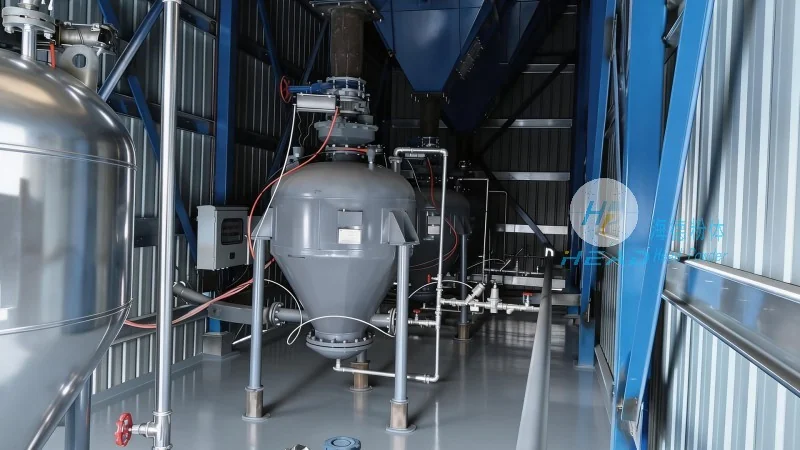
At the heart of a pneumatic conveying system are several essential components that collaborate to facilitate material transport. These include the material feed hopper, which stores the mineral particulate material and regulates its flow into the system; the air supply unit, which generates the necessary air pressure or vacuum; the conveying pipeline, which carries the material-air mixture; and the discharge unit, which collects the material at the destination. Each component must be meticulously selected and sized to match the specific characteristics of the mineral being conveyed. For instance, the feed hopper may be designed with a specific geometry to prevent material bridging or segregation, while the pipeline diameter and length are optimized to maintain the required air velocity for particle suspension. The air supply unit, whether a blower or vacuum pump, must be capable of delivering the appropriate pressure or vacuum level to ensure consistent material transport.
Design Principles for Efficient Material Handling
The design of a pneumatic conveying system for mineral particulates is guided by several key principles aimed at maximizing efficiency, minimizing energy costs, and ensuring long-term reliability. One of the primary principles is the selection of the appropriate conveying method—either pressure or suction. Pressure systems utilize compressed air to push the material through the pipeline, while suction systems employ a vacuum to draw the material. The choice between these methods depends on factors such as the distance to be covered, the material's properties, and the system's overall layout. For short distances, pressure systems are often preferred due to their simplicity and lower energy requirements. For longer distances or when moving materials over obstacles, suction systems may be more suitable. Another critical principle is the air velocity, which must be sufficient to lift and transport the particles without causing excessive wear on the system components. Typically, the air velocity is maintained at a level that ensures the particles remain suspended in the air stream, preventing blockages and ensuring smooth flow. This velocity is often calculated based on the particle size and density, as larger or denser particles require higher air speeds to remain airborne.
Role of Shandong HeadPowder Engineering Co., Ltd.
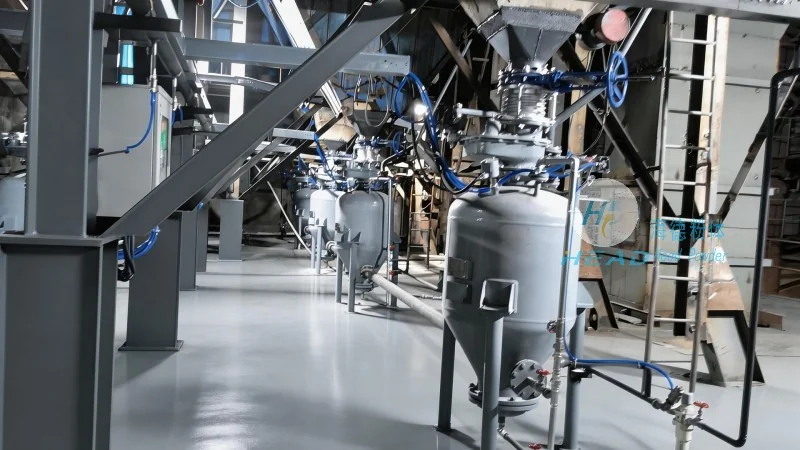
Shandong HeadPowder Engineering Co., Ltd., commonly known as HeadPowder, is a prominent company specializing in the design, manufacturing, and installation of pneumatic conveying systems for diverse industrial applications. With a strong focus on innovation and customer-centric solutions, HeadPowder leverages its expertise to develop customized systems that meet the unique requirements of each client. The company's team of engineers and technicians works closely with clients to assess their material handling needs, providing tailored solutions that enhance operational efficiency and reduce costs. HeadPowder's commitment to quality and reliability has made it a trusted partner for industries worldwide, helping them achieve seamless material transport and improved productivity. The company's state-of-the-art facilities and rigorous quality control processes ensure that every system meets the highest standards, delivering long-lasting performance and minimal maintenance requirements. HeadPowder also offers comprehensive after-sales support, including system maintenance and troubleshooting, to ensure clients can maximize the lifespan and efficiency of their pneumatic conveying systems.
Conclusion and Practical Applications
In conclusion, mineral particulate material pneumatic conveying systems are sophisticated solutions that play a vital role in modern industrial operations. By understanding the design principles and key components of these systems, industries can optimize their material handling processes, leading to increased efficiency, reduced downtime, and lower operational costs. Companies like Shandong HeadPowder Engineering Co., Ltd. continue to advance the technology, offering advanced solutions that cater to the evolving needs of the market. Whether for short or long-distance transport, these systems provide a reliable and efficient means of moving bulk materials, contributing to the overall productivity and success of industrial operations. The integration of innovative design and expert engineering ensures that pneumatic conveying systems remain a preferred choice for industries seeking to enhance their material transport capabilities and achieve sustainable growth.