

How to Design a Reasonable Caustic Soda Pneumatic Conveying System Plan?
When designing a pneumatic conveying system for caustic soda, it is crucial to consider multiple factors to ensure efficiency, safety, and cost-effectiveness. Caustic soda, also known as sodium hydroxide, is a highly corrosive chemical commonly used in various industrial processes. The design of the system must address the unique properties of caustic soda, including its reactivity, handling requirements, and the need for precise control during transport. A well-designed system not only enhances operational efficiency but also minimizes risks associated with material handling and environmental compliance.

Key Design Considerations for Pneumatic Conveying Systems
Several critical factors must be evaluated when planning a caustic soda pneumatic conveying system. The first consideration is the type of system, which can be categorized into pressure or vacuum systems. Pressure systems use compressed air to push the material through the pipeline, while vacuum systems use suction to draw the material. The choice between these systems depends on the distance, elevation changes, and material characteristics. For caustic soda, which is often handled in bulk quantities, a pressure system is typically preferred due to its ability to handle longer distances and higher material loads.
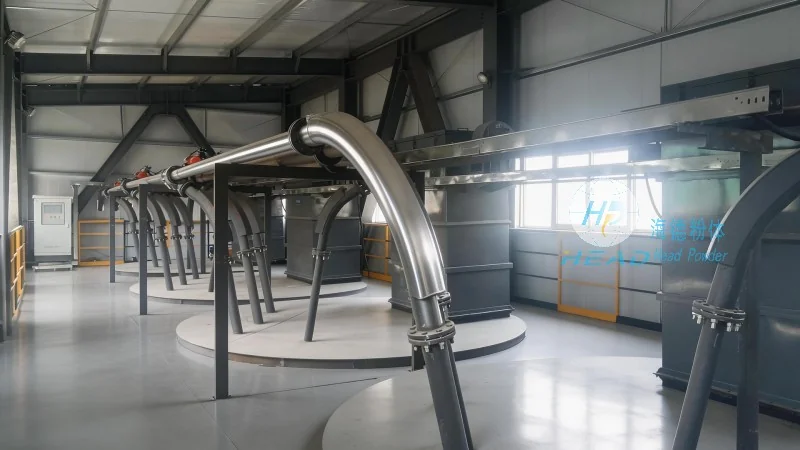
Another key factor is the selection of equipment components. This includes the feeder, which must be capable of handling the corrosive nature of caustic soda without degradation. Materials such as stainless steel or specialized alloys are commonly used for feeders to ensure durability and resistance to chemical attack. The pipeline material is also critical; options include stainless steel, polyethylene, or specialized coatings to prevent corrosion and material buildup. Additionally, the system must include proper filtration and separation equipment to prevent blockages and maintain system integrity. These components work together to ensure smooth and reliable operation of the conveying system.
System Layout and Flow Design
The layout of the pneumatic conveying system is another critical aspect of the design process. The system must be designed to minimize pressure drops and ensure consistent material flow. This involves optimizing the pipeline diameter, length, and angle to reduce energy consumption and prevent material degradation. For caustic soda, which can be sensitive to temperature and pressure changes, the system layout must account for these variables to maintain material quality. The inclusion of expansion joints and flexible connectors is essential to accommodate thermal expansion and prevent stress on the system components. Additionally, the system should include monitoring and control devices to track flow rates, pressure, and temperature in real-time, allowing for immediate adjustments if any issues arise.
Safety and Compliance in Caustic Soda Handling
Ensuring safety and compliance is paramount when designing a caustic soda pneumatic conveying system. Caustic soda is a hazardous material, and the system must be designed to prevent leaks, spills, and exposure to personnel. This includes implementing proper ventilation systems, emergency shut-off valves, and containment measures. The system must also comply with relevant regulations, such as those from the Occupational Safety and Health Administration (OSHA) or the Environmental Protection Agency (EPA), depending on the location and application. Regular maintenance and inspection of the system are necessary to ensure ongoing safety and compliance. This includes checking for corrosion, wear, and proper functioning of all components, as well as performing periodic testing to verify system performance.

Case Study: Successful Implementation by Shandong HeadPowder Engineering Co., Ltd.
Shandong HeadPowder Engineering Co., Ltd., a leading provider of engineering solutions for chemical processing, has successfully implemented numerous caustic soda pneumatic conveying systems. The company specializes in designing and manufacturing customized systems tailored to the specific needs of clients. For example, a client in the paper industry required a system to transport caustic soda from storage tanks to processing units over a distance of 500 meters. HeadPowder engineers designed a pressure system using stainless steel components and optimized the pipeline layout to minimize pressure drops. The system was installed and commissioned successfully, achieving high efficiency and low maintenance costs. This case study highlights the expertise and experience of HeadPowder in designing reliable and efficient caustic soda pneumatic conveying systems.
Conclusion: The Importance of Professional Design and Implementation
Designing a reasonable caustic soda pneumatic conveying system requires a comprehensive approach that considers technical, safety, and operational factors. By addressing these aspects, companies can ensure that their system meets the required standards while maximizing efficiency and minimizing risks. The involvement of experienced engineering firms, such as Shandong HeadPowder Engineering Co., Ltd., is essential to achieve optimal results. With proper design and implementation, pneumatic conveying systems can provide reliable and cost-effective solutions for the transport of caustic soda, supporting the smooth operation of industrial processes.