

How to Design a Reasonable Rare Earth Crystal Powder Pneumatic Conveying System Plan
For industries dealing with rare earth crystal powders, the design of an efficient and reliable pneumatic conveying system is crucial. A well-designed system not only ensures safe and effective material transport but also minimizes operational costs and maintenance issues. This article provides a comprehensive guide on how to design a reasonable rare earth crystal powder pneumatic conveying system, focusing on key considerations and best practices.

Understanding the Core Requirements of Rare Earth Crystal Powder Pneumatic Conveying
Before diving into system design, it's essential to understand the unique properties of rare earth crystal powders. These materials often have high density, fine particle size, and can be hygroscopic or abrasive. Such characteristics directly impact the choice of conveying system type, equipment, and operational parameters. For instance, the particle size distribution and flowability of the powder determine whether a pressure or vacuum system is more suitable. Additionally, the material's potential to cause blockages or wear on equipment necessitates careful selection of components like cyclones, filters, and pipelines.
Choosing the Right Pneumatic Conveying System Type
There are primarily two types of pneumatic conveying systems: pressure and vacuum. The selection depends on factors such as the distance between the source and destination, the volume of material to be conveyed, and the material's properties. Pressure systems use compressed air to push the material through the pipeline, while vacuum systems use suction to draw the material. For rare earth crystal powders, especially when dealing with long distances or multiple transfer points, pressure systems are often preferred due to their higher capacity and ability to handle abrasive materials. However, vacuum systems can be more suitable for short-distance transfers or when the material is sensitive to pressure changes.
Key Equipment Selection for Rare Earth Crystal Powder Conveying
Several critical pieces of equipment are involved in a pneumatic conveying system. The choice of these components is vital for the system's performance and longevity. For rare earth crystal powders, the following equipment is typically considered:
1. Feeder: A reliable feeder is essential to ensure a consistent flow of powder into the conveying line. For fine powders like rare earth crystals, a rotary valve or a star feeder is commonly used. These devices provide controlled material discharge, preventing surges or blockages that could disrupt the system.
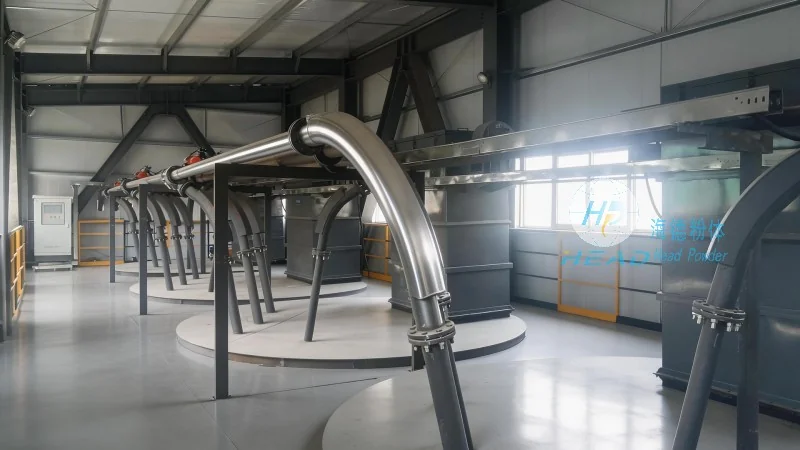
2. Pneumatic Conveying Unit: This is the heart of the system, responsible for transporting the material through the pipeline. For abrasive materials like rare earth crystals, the conveying unit should be constructed from materials resistant to wear, such as stainless steel or special alloys. The design of the conveying line, including the diameter and length, must be optimized to maintain the material's flowability and prevent particle segregation.

3. Cyclone Separator: After the material is conveyed, it needs to be separated from the air stream. A cyclone separator uses centrifugal force to separate the powder from the air. For rare earth crystal powders, a high-efficiency cyclone is recommended to ensure minimal loss of material and clean air discharge. The design of the cyclone, including its diameter and number of stages, is critical for achieving optimal separation efficiency.
4. Filter and Dust Collection System: To comply with environmental regulations and maintain a clean working environment, a filter system is necessary. The filter should be capable of capturing fine particles and preventing dust emissions. For rare earth crystal powders, which may have health hazards if inhaled, a high-efficiency particulate air (HEPA) filter is often used. The filter system should be designed to handle the volume of air and the amount of dust generated by the conveying process.
Design Considerations for Pipeline and System Layout
The layout of the pneumatic conveying system, including the pipeline design and the placement of equipment, significantly impacts its performance. For rare earth crystal powders, the following design considerations are important:
1. Pipeline Sizing: The diameter of the pipeline must be chosen based on the material's flow rate and the air velocity. A too-small pipeline can cause high pressure drops and material blockages, while a too-large pipeline can increase costs and energy consumption. For rare earth crystals, a pipeline diameter of 50-100 mm is often suitable for most applications, depending on the material's properties and the conveying distance.
2. System Layout and Piping: The layout should minimize the number of bends and changes in direction, as these can cause pressure losses and material accumulation. Additionally, the pipeline should be designed to prevent material settling or segregation. For example, horizontal sections should be avoided where possible, or if necessary, inclined at a slight angle to prevent material buildup.

3. Pressure Drop and Energy Consumption: The pressure drop in the system is a key factor affecting energy consumption. It's essential to calculate the pressure drop accurately to ensure the system operates efficiently. For rare earth crystal powders, which can be abrasive, the pressure drop should be monitored regularly to detect any changes that may indicate wear or blockages.
Control and Monitoring Systems for Optimal Operation
Implementing a robust control and monitoring system is crucial for maintaining the efficiency and reliability of the pneumatic conveying system. For rare earth crystal powders, the following controls are recommended:
1. Pressure and Flow Monitoring: Real-time monitoring of pressure and flow rates in the pipeline helps detect any abnormalities, such as blockages or leaks. This allows for timely intervention to prevent system failures.
2. Material Level and Inventory Control: For systems with multiple storage and transfer points, level sensors and inventory management systems can be integrated. This ensures that the system operates at optimal capacity and prevents overfilling or underfilling of storage tanks.
3. Automated Control Systems: Automated control systems can adjust the conveying parameters based on real-time conditions, such as material flow rate or pressure. This helps maintain consistent performance and reduces the need for manual adjustments.
Maintenance and Troubleshooting for Long-Term System Performance
Regular maintenance is essential to ensure the long-term performance and reliability of the rare earth crystal powder pneumatic conveying system. For HeadPowder, a professional engineering company based in Shandong, China, we provide comprehensive maintenance services and troubleshooting support. Key maintenance activities include:
1. Component Inspection and Replacement: Regular inspection of equipment components, such as cyclones, filters, and pipelines, is necessary to detect wear and damage. Components like seals and bearings should be replaced as per the manufacturer's recommendations to prevent failures.
2. Cleaning and Cleaning Procedures: The system should be cleaned regularly to remove accumulated material and prevent blockages. Proper cleaning procedures, including the use of appropriate cleaning agents and tools, are essential to maintain system efficiency.
3. Troubleshooting and Repair: When issues arise, such as pressure drops or material loss, a systematic troubleshooting approach is required. This involves checking the system components, monitoring parameters, and identifying the root cause of the problem. HeadPowder's technical team can provide expert support in diagnosing and resolving system issues.
Conclusion: Ensuring Efficiency and Reliability in Rare Earth Crystal Powder Conveying
Designing a reasonable rare earth crystal powder pneumatic conveying system requires a thorough understanding of the material properties, system requirements, and operational constraints. By carefully selecting the right equipment, optimizing the system layout, and implementing effective control and maintenance strategies, industries can achieve efficient and reliable material transport. HeadPowder, with its expertise in engineering and manufacturing, offers comprehensive solutions for designing and maintaining pneumatic conveying systems tailored to the unique needs of rare earth crystal powder applications.