

Working Principle and Features of Glass Fiber Cellulose Material Conveying Lines
Glass fiber cellulose material conveying lines operate through a systematic integration of components designed to handle the unique properties of glass fiber cellulose. The core mechanism involves the use of specialized conveying equipment, such as screw conveyors, belt conveyors, or pneumatic systems, tailored to the material's characteristics. These systems are engineered to ensure efficient transport while maintaining the integrity of the glass fiber cellulose particles. The process typically begins with material feeding, where the glass fiber cellulose is introduced into the conveyor system. From there, the material is moved through a series of stages, including acceleration, transport, and discharge. Each stage is optimized to minimize material degradation and maximize throughput. The conveying lines often incorporate features like variable speed controls, which allow for adjustments based on the material's flow characteristics and the operational requirements of the production line. Additionally, the design may include dust collection and filtration systems to manage airborne particles and ensure a clean working environment. This systematic approach ensures that the glass fiber cellulose is transported safely and efficiently, supporting downstream processing steps.
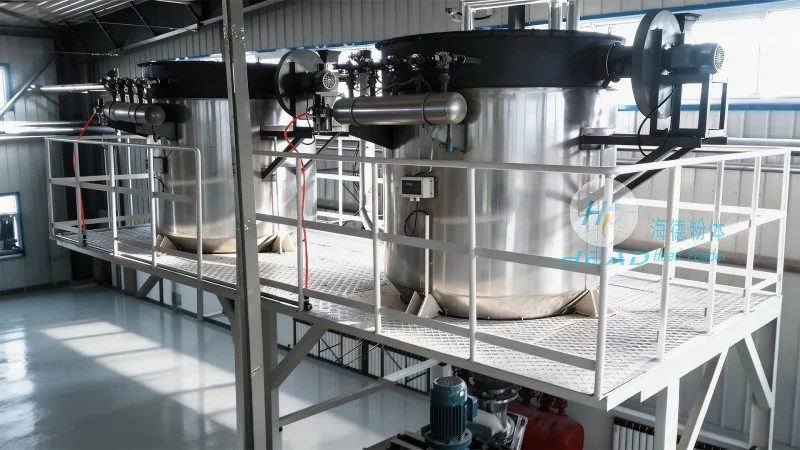


Key Features of Glass Fiber Cellulose Material Conveying Lines
HeadPowder Engineering Co., Ltd. specializes in developing advanced glass fiber cellulose material conveying lines that offer several distinct features. One of the primary features is the robust construction, which is built to withstand the abrasive nature of glass fiber cellulose, ensuring long-term durability and minimal maintenance. The conveying systems are equipped with high-quality materials, such as stainless steel or corrosion-resistant alloys, to prevent wear and tear from the material's abrasive properties. Another notable feature is the customizable design, allowing for adjustments to accommodate different particle sizes, moisture levels, and production volumes. This flexibility makes the conveying lines suitable for a wide range of applications, from small-scale laboratory operations to large industrial production facilities. The systems also incorporate energy-efficient components, reducing operational costs while maintaining performance. Furthermore, the conveying lines are designed with safety in mind, including features like emergency stop buttons and protective guards to prevent accidents. The integration of advanced control systems enables precise monitoring and control of the conveying process, enhancing operational efficiency and product quality. These features collectively contribute to the effectiveness and reliability of the glass fiber cellulose material conveying lines.
Application and Operational Benefits
The glass fiber cellulose material conveying lines developed by Shandong HeadPowder Engineering Co., Ltd. are widely used in various industries, including pharmaceuticals, food processing, and chemical manufacturing. These systems are particularly beneficial in applications where the material needs to be transported without compromising its quality or purity. The efficient conveying process helps maintain the material's consistency, which is crucial for downstream processes like mixing, blending, or packaging. The operational benefits extend to improved productivity, as the systems can handle high volumes of material with minimal downtime. Additionally, the reduced maintenance requirements and energy efficiency contribute to lower operational costs over time. The systems also enhance workplace safety by minimizing manual handling of the material, reducing the risk of injury. The customizable nature of the conveying lines allows companies to adapt to changing production needs, ensuring that the equipment remains effective as production scales up or down. Overall, the glass fiber cellulose material conveying lines provide a reliable and efficient solution for material transport, supporting the smooth operation of production lines and improving overall productivity.