

Common Malt Handling Methods: The Advantages and Features of HeadPowder's Pneumatic Malt Conveying Systems
In the brewing industry, the efficient and safe transportation of malt is essential for maintaining consistent product quality and optimizing production processes. Malt, as a primary ingredient in beer production, must be handled with care to preserve its nutritional value and flavor characteristics. Various methods are employed for malt handling, each with its own set of advantages and limitations. This section explores the common malt handling methods and focuses on the superior features of pneumatic conveying systems provided by Shandong HeadPowder Engineering Co., Ltd., a leading manufacturer in the field.

Traditional Malt Handling Methods
Historically, malt has been transported using gravity-based systems, where malt is poured from elevated storage silos into lower-level processing equipment. This method relies on the natural slope of the storage vessel and the weight of the malt to facilitate movement. While simple and low-cost, gravity systems have several drawbacks. They often require significant vertical height to achieve adequate flow rates, which can be impractical in many brewery layouts. Additionally, gravity conveyors may lead to uneven distribution of malt, causing potential blockages or uneven feeding into the next stage of production. The risk of contamination is also higher with gravity systems, as the open nature of the conveyor allows for exposure to environmental factors and potential cross-contamination from other materials.
Mechanical Malt Handling Methods
Another common approach to malt handling involves mechanical systems such as belt conveyors, screw conveyors, and bucket elevators. These systems use mechanical components to move malt from one location to another. Belt conveyors, for instance, use a continuous belt to transport malt horizontally or at a slight incline. Screw conveyors utilize a rotating screw to push malt through a tube, making them suitable for vertical or horizontal transport. Bucket elevators, on the other hand, lift malt vertically using buckets attached to a chain or belt.
While mechanical systems offer better control over the flow rate compared to gravity methods, they still face several challenges. One major issue is the potential for product degradation due to friction and abrasion. The mechanical parts can cause wear and tear on the malt, reducing its quality and affecting the final beer's flavor. Additionally, mechanical conveyors are prone to blockages, especially with high-moisture or sticky malt varieties. Cleaning and maintenance are also more labor-intensive compared to pneumatic systems, as they require regular inspection and replacement of worn components.
Pneumatic Malt Conveying Systems: An Advanced Solution
Pneumatic conveying systems represent a modern and efficient solution for malt handling. These systems use compressed air to transport malt particles through a pipeline. The malt is suspended in a stream of air, allowing for both horizontal and vertical transport with minimal friction. This method offers several advantages over traditional and mechanical systems. First, pneumatic conveying reduces product damage by eliminating direct contact between the malt and mechanical parts. The lack of friction and abrasion helps maintain the malt's integrity, ensuring consistent quality in the final product.
Second, pneumatic systems provide excellent control over the flow rate and direction of the malt. By adjusting the air pressure and flow rate, operators can precisely control the amount of malt being transported, which is crucial for maintaining consistent feeding rates in the brewing process. This level of control is particularly important during batch production, where precise ingredient ratios are essential for achieving the desired beer characteristics.
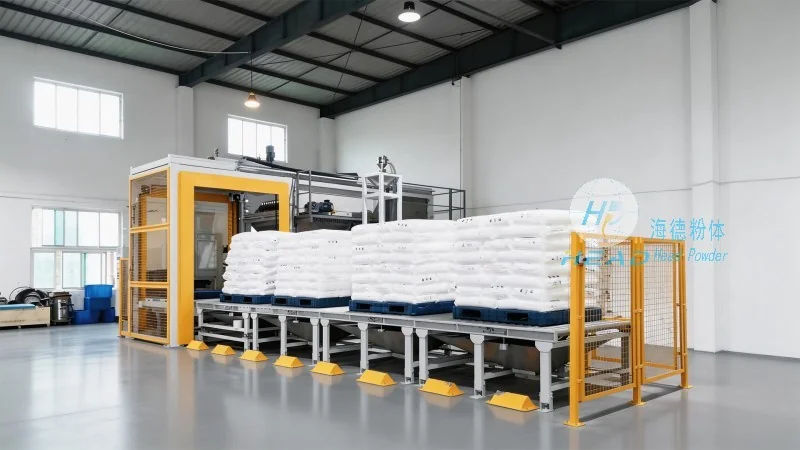
Third, pneumatic conveying offers a hygienic and clean operation. The enclosed pipeline system prevents contamination from external sources and minimizes the risk of cross-contamination with other ingredients or materials. This is especially important in breweries where multiple products are produced, as it helps maintain product purity and compliance with food safety regulations.
Fourth, pneumatic systems are highly versatile and can handle a wide range of malt types and conditions. Whether dealing with dry, moist, or sticky malt, the system can be adjusted to accommodate different characteristics. This flexibility makes pneumatic conveying suitable for various brewing applications, from small-scale craft breweries to large industrial facilities.
HeadPowder's Pneumatic Malt Conveying Systems: Key Features and Benefits
Shandong HeadPowder Engineering Co., Ltd. specializes in designing and manufacturing advanced pneumatic malt conveying systems tailored to the needs of the brewing industry. The company's solutions are engineered to provide superior performance, reliability, and efficiency. Key features of HeadPowder's systems include:
1. **High Efficiency and Low Energy Consumption**: HeadPowder's pneumatic systems are designed to operate with minimal energy usage while maintaining high transport rates. The use of optimized air flow and efficient pipeline designs ensures that the system delivers malt quickly and economically.
2. **Durable and Low-Maintenance Components**: The components used in HeadPowder's systems are made from high-quality materials, such as stainless steel and corrosion-resistant alloys, to withstand the harsh conditions of malt handling. This reduces the need for frequent maintenance and replacement, lowering operational costs over time.
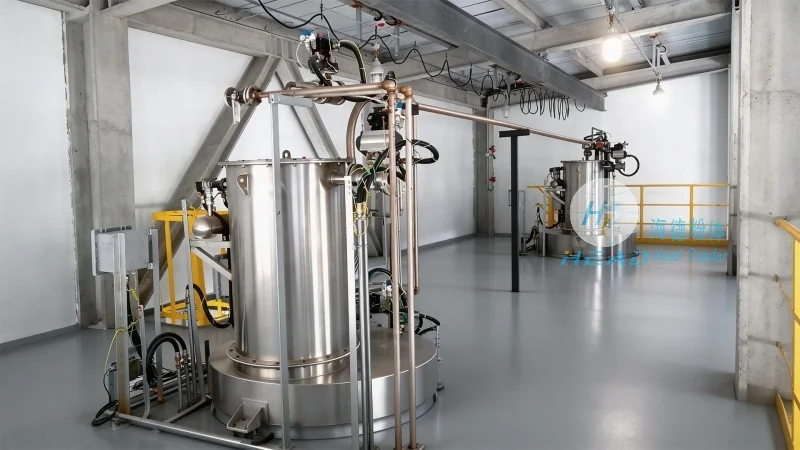
3. **Advanced Control Systems**: The systems are equipped with sophisticated control panels that allow operators to monitor and adjust the conveying process in real-time. This includes features like pressure monitoring, flow rate adjustment, and automatic shutdown in case of system failure, enhancing safety and operational reliability.
4. **Customizable Solutions**: HeadPowder understands that each brewery has unique requirements. The company offers customized pneumatic conveying systems that can be tailored to specific production volumes, layout constraints, and malt characteristics. This ensures that the system is optimized for the brewery's needs, maximizing efficiency and minimizing downtime.
5. **Hygienic Design**: All components of HeadPowder's systems are designed with food safety in mind. The use of smooth, easy-to-clean surfaces and sealed connections prevents the buildup of contaminants and facilitates regular cleaning and sanitation procedures.
Conclusion: Choosing the Right Malt Handling Solution
When selecting a malt handling method, breweries must consider factors such as efficiency, product quality, operational costs, and safety. Traditional gravity systems and mechanical conveyors have their place in some applications, but they often fall short in terms of flexibility and product protection. Pneumatic conveying systems, particularly those offered by Shandong HeadPowder Engineering Co., Ltd., provide a superior solution that addresses the key challenges of malt handling.
HeadPowder's pneumatic malt conveying systems combine advanced technology with robust engineering to deliver efficient, reliable, and hygienic malt transport. By choosing a system from HeadPowder, breweries can enhance their production processes, maintain consistent product quality, and reduce operational costs. With its commitment to innovation and customer satisfaction, HeadPowder continues to be a trusted partner in the brewing industry, providing solutions that meet the evolving needs of modern breweries.