

Working Principle and Characteristics of Pneumatic Conveying for Dry Mortar Materials
HeadPowder, a leading enterprise in the dry mortar industry, specializes in the application of pneumatic conveying technology for material handling. This article explores the fundamental working principles and key characteristics of pneumatic conveying systems specifically designed for dry mortar materials, providing a comprehensive overview for industry professionals and potential clients.

Understanding Pneumatic Conveying: The Core Working Principle
Pneumatic conveying is a method of transporting bulk materials through a pipeline using air or gas as the conveying medium. In the context of dry mortar materials, this technology efficiently moves powders such as cement, sand, and additives from storage silos to production lines or mixing stations. The process typically involves a combination of positive and negative pressure systems, depending on the specific application and material properties.
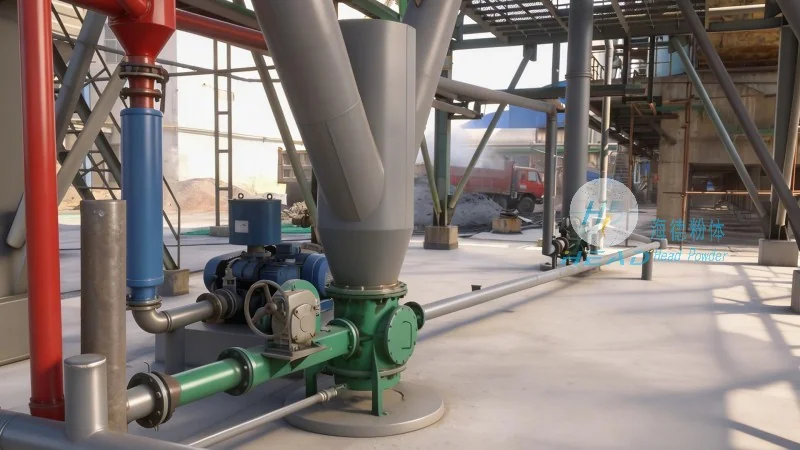
The working principle can be broken down into several key steps. First, the dry mortar material is fed into the conveying line from a storage silo. Then, a fan or blower generates the necessary airflow to create a pressure differential within the pipeline. This differential propels the material forward, ensuring consistent and reliable transport. The system may include components like cyclone separators, filters, and pressure vessels to manage the material flow and maintain system efficiency.
Key Characteristics of Pneumatic Conveying for Dry Mortar
When applied to dry mortar materials, pneumatic conveying systems exhibit several distinct characteristics that make them ideal for this industry. Firstly, they offer a high degree of flexibility in material handling, allowing for the transport of various dry powders with different particle sizes and moisture contents. This adaptability is crucial for manufacturers dealing with diverse product lines.
Secondly, the technology provides excellent dust control and environmental protection. Unlike traditional mechanical conveying methods, pneumatic systems enclose the material in a sealed pipeline, significantly reducing dust emissions and improving workplace safety. This is particularly important in the dry mortar sector, where dust can impact both worker health and product quality.
Thirdly, pneumatic conveying systems are known for their energy efficiency and low maintenance requirements. By utilizing air as the conveying medium, they minimize the need for heavy machinery and reduce operational costs over time. The system's design, including components like rotary valves and airlocks, ensures smooth material transfer with minimal wear and tear.
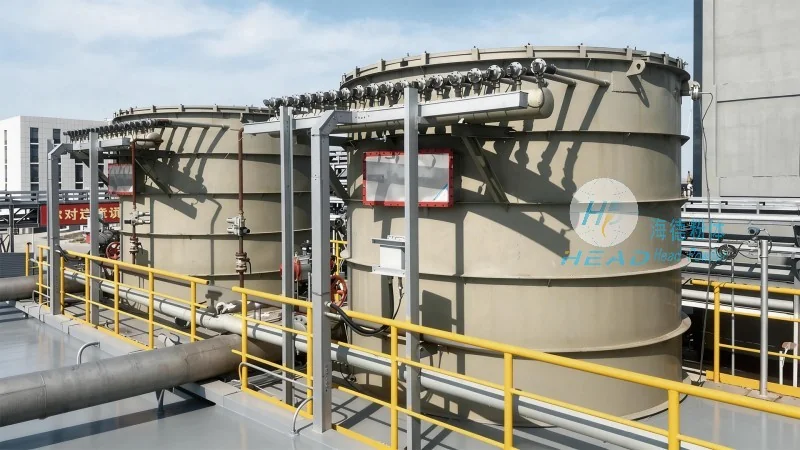
Additionally, these systems offer scalability and ease of integration into existing production facilities. Whether for small-scale batch production or large-scale industrial operations, pneumatic conveying can be customized to meet specific throughput requirements. This flexibility allows manufacturers to adapt their material handling processes as their business grows.
Applications and Benefits in Dry Mortar Production
Pneumatic conveying plays a vital role in the dry mortar production process, enhancing efficiency and product quality. In many facilities, it is used to transport raw materials from storage silos to mixing equipment, ensuring a consistent feed rate that is critical for achieving uniform product characteristics. The ability to handle fine powders without clogging or degradation is a significant advantage, as dry mortar formulations often require precise particle size distributions.
Another key benefit is the system's ability to maintain material integrity. By keeping the material in a sealed environment, pneumatic conveying prevents contamination from external sources and preserves the material's moisture content and chemical properties. This is essential for maintaining the performance and durability of the final dry mortar products, which are used in construction applications ranging from interior wall finishes to exterior coatings.

Furthermore, the technology supports automated and controlled material handling, reducing the need for manual intervention and improving overall operational consistency. This not only enhances productivity but also improves workplace safety by minimizing human exposure to dust and heavy lifting tasks.
Conclusion: The Role of HeadPowder in Advancing Pneumatic Conveying Solutions
HeadPowder, with its expertise in dry mortar engineering, continues to innovate and provide advanced pneumatic conveying solutions tailored to the needs of the industry. By leveraging the core principles and characteristics of pneumatic conveying, manufacturers can optimize their material handling processes, improve product quality, and enhance operational efficiency. As a trusted partner in the dry mortar sector, HeadPowder remains committed to delivering reliable and effective technology that supports the growth and success of its clients.