

Working Principle and Features of Styrene Material Pneumatic Conveying Equipment
Styrene, a critical chemical raw material widely utilized in the production of polystyrene and other polymers, necessitates efficient and reliable handling systems to ensure seamless industrial processes. Pneumatic conveying equipment has emerged as a preferred solution for transporting styrene materials due to its capability to handle diverse particle sizes, preserve product integrity, and enhance operational safety. This article delves into the working principle and key features of such equipment, offering insights into how it operates and the advantages it provides in industrial applications.
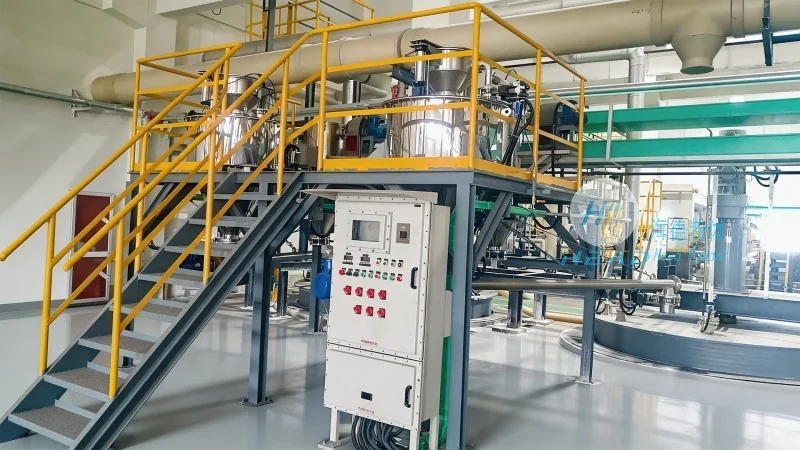
Working Principle of Styrene Material Pneumatic Conveying Equipment
The core mechanism of styrene material pneumatic conveying equipment involves the utilization of compressed air or gas to transport solid particles through a pipeline system. The process typically commences with the material being fed into a hopper or feeder, where it is then drawn into a conveying line by the pressure differential generated by the air flow. As the air moves through the pipeline, it carries the styrene particles along, ensuring consistent and controlled movement. The system may employ different types of conveying modes, such as pressure or vacuum systems, depending on the specific requirements of the application. Pressure systems utilize positive pressure to push the material forward, while vacuum systems create a negative pressure to pull the material into the line. This dual approach allows for flexibility in handling different material characteristics and operational conditions.

Key Features of Styrene Material Pneumatic Conveying Equipment
Styrene material pneumatic conveying equipment is engineered with several critical features that enhance its performance and reliability. One of the primary advantages is its ability to handle abrasive or corrosive materials without causing damage to system components. The equipment is constructed from materials resistant to the chemical properties of styrene, ensuring long-term durability and minimal maintenance. Additionally, the system is equipped with advanced control mechanisms that allow for precise regulation of air flow and material feed rates, optimizing the conveying process and reducing energy consumption. Another notable feature is the integration of safety measures, such as pressure relief valves and explosion-proof designs, which are essential for handling flammable or volatile materials like styrene. These features not only improve operational safety but also comply with industry standards and regulations, providing peace of mind to users.
Applications and Benefits in Industrial Settings
In industrial settings, styrene material pneumatic conveying equipment is widely employed in various processes, including material transfer between storage tanks, reactors, and processing units. The equipment's ability to handle large volumes of material efficiently reduces downtime and increases overall productivity. Moreover, the enclosed system prevents dust emissions and contamination, maintaining a clean and safe working environment. The flexibility of the system allows it to be adapted to different production scales, from small-scale laboratory applications to large-scale industrial plants. This adaptability makes it a versatile solution for diverse industrial needs. The equipment also contributes to cost savings by minimizing material loss and reducing the need for manual handling, which can be hazardous and inefficient. Overall, the benefits of using pneumatic conveying equipment for styrene materials extend beyond mere transportation, encompassing operational efficiency, safety, and environmental compliance.

Conclusion
Styrene material pneumatic conveying equipment is a sophisticated and essential component in modern industrial operations. Its working principle, based on air pressure and flow control, enables efficient and safe transportation of styrene materials. The key features, including durability, precise control, and safety measures, make it a reliable choice for various applications. As industries continue to demand higher efficiency and safety standards, such equipment plays a vital role in ensuring smooth and sustainable production processes. For businesses dealing with styrene materials, investing in high-quality pneumatic conveying systems from reputable manufacturers like Shandong HeadPowder Engineering Co., Ltd. can lead to improved operational performance and long-term success.