

Principle and Working Scene Characteristics of Expanded Clay Aggregate Pneumatic Conveying System Eq
HeadPowder, a leading manufacturer based in Shandong, China, specializes in the design and production of advanced pneumatic conveying systems tailored for the handling of expanded clay aggregate and similar bulk materials. This article delves into the fundamental principles underlying these systems and highlights the key characteristics of their operational environments.
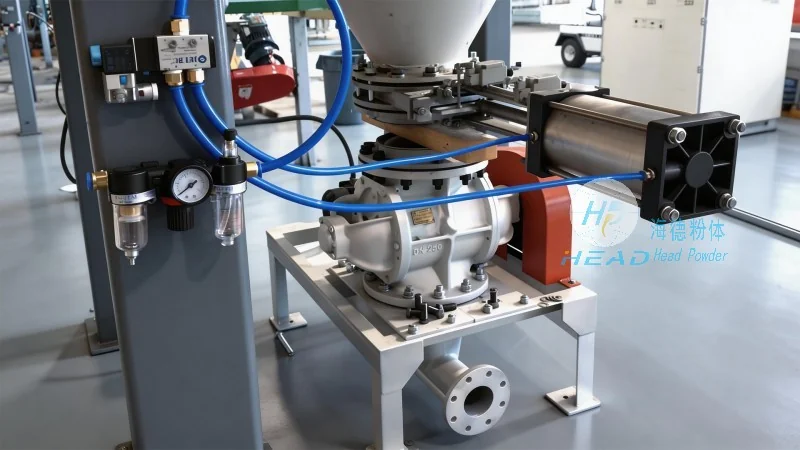
Overview of Pneumatic Conveying Systems for Expanded Clay Aggregate
Pneumatic conveying systems are engineered to transport bulk materials like expanded clay aggregate through a pipeline using compressed air or other gas streams. Unlike traditional mechanical conveying methods, these systems offer advantages such as reduced equipment wear, lower energy consumption, and the ability to handle materials in a dust-free environment. The core components of a typical expanded clay aggregate pneumatic conveying system include a material feeder, a conveying pipeline, a gas source (usually a blower or compressor), and a dust collection or separation unit. Each component plays a critical role in ensuring efficient and reliable material transport.
Working Principle of the Pneumatic Conveying System
The operation of an expanded clay aggregate pneumatic conveying system begins with the material feeder, which introduces the aggregate into the conveying pipeline. The feeder can be designed as a rotary valve, screw feeder, or other types of feeders to maintain a consistent flow rate. Simultaneously, the gas source generates a high-pressure air stream that flows through the pipeline. As the air moves, it creates a low-pressure zone within the pipeline, which draws the expanded clay aggregate particles into the flow. The combination of air velocity and particle size determines the conveying velocity and pressure drop across the system. The system is designed to maintain a stable flow of both air and material, ensuring that the aggregate is transported without clogging or excessive pressure loss.
Key Working Scene Characteristics
The operational characteristics of expanded clay aggregate pneumatic conveying systems are influenced by several factors, including the material properties, system design, and application requirements. The following aspects are particularly notable:

1. Material Handling Efficiency and Flow Control
Efficient flow control is essential for maintaining consistent material throughput. The system's design incorporates adjustable parameters such as air pressure, flow rate, and feeder speed to optimize material handling. This ensures that the expanded clay aggregate is conveyed at the desired velocity without excessive energy consumption or equipment stress. The ability to handle varying material loads and particle sizes makes these systems versatile for different industrial applications.
2. Environmental and Safety Considerations
Due to the nature of expanded clay aggregate, which can generate dust during handling, the pneumatic conveying system is equipped with dust collection and filtration units. These components help maintain a clean working environment and comply with environmental regulations. The system is also designed with safety features, such as pressure relief valves and emergency shut-off mechanisms, to prevent accidents and ensure operator safety.

3. System Scalability and Integration
Expanded clay aggregate pneumatic conveying systems are scalable, allowing them to be adapted to different production capacities and facility layouts. They can be integrated with existing processing lines or used as standalone units for material transport. The modular design of these systems enables easy expansion or modification to meet evolving production needs. This flexibility is crucial for industries that require adaptable and efficient material handling solutions.
4. Maintenance and Durability
The components of the pneumatic conveying system, particularly the conveying pipeline and material feeders, are constructed from durable materials to withstand the abrasive nature of expanded clay aggregate. Regular maintenance, including cleaning and inspection of the pipeline and feeder, is essential to ensure long-term system performance. The use of high-quality materials and robust design minimizes downtime and extends the operational life of the equipment.
Conclusion
Expanded clay aggregate pneumatic conveying systems, as exemplified by the products from Shandong HeadPowder Engineering Co., Ltd., represent a sophisticated solution for efficient bulk material handling. By understanding the underlying principles and operational characteristics, industries can leverage these systems to enhance productivity, improve safety, and maintain compliance with environmental standards. The versatility and reliability of these systems make them a preferred choice for applications involving expanded clay aggregate and similar materials.