

Common Polyethylene Conveying Methods: Advantages of HeadPowder's Polyethylene Pneumatic Conveying
When it comes to transporting polyethylene, selecting the right conveying method is crucial for ensuring efficiency, safety, and cost-effectiveness in industrial operations. Polyethylene, a widely used thermoplastic, poses unique challenges during material handling due to its low bulk density and tendency to generate static electricity. Traditional methods like belt conveyors or screw conveyors may struggle with these characteristics, leading to material degradation, blockages, or inefficient throughput. This article explores common polyethylene conveying methods and highlights the advantages of HeadPowder's polyethylene pneumatic conveying solutions, providing insights into how advanced technology can optimize material transport in industrial settings.

Understanding Common Polyethylene Conveying Methods
Before delving into specialized solutions, it's essential to understand the conventional methods used for polyethylene transport. These methods vary in their suitability based on factors such as material characteristics, distance, and operational requirements. The primary conventional approaches include:

- Belt Conveyors: A widely used method for transporting bulk materials, including polyethylene pellets or granules. Belt conveyors are effective for horizontal or slight incline transport but may face challenges with polyethylene due to its low density and static charge, which can cause material slippage or uneven distribution.
- Screw Conveyors: Also known as auger conveyors, these systems use a rotating screw to move material through a tube. While suitable for certain applications, screw conveyors can experience blockages with polyethylene, especially when dealing with fine powders or irregularly shaped pellets, leading to maintenance issues and reduced efficiency.
- Bucket Elevators: These vertical or inclined systems use buckets attached to a chain or belt to lift and transport materials. They are effective for vertical transport but may not be ideal for polyethylene due to the risk of material degradation from friction and the potential for static buildup.
Each of these methods has its strengths and limitations. Belt and screw conveyors are generally cost-effective for short distances and moderate volumes but may not address the unique challenges posed by polyethylene. Vertical transport via bucket elevators can be efficient but often requires additional equipment to manage material flow and prevent blockages.
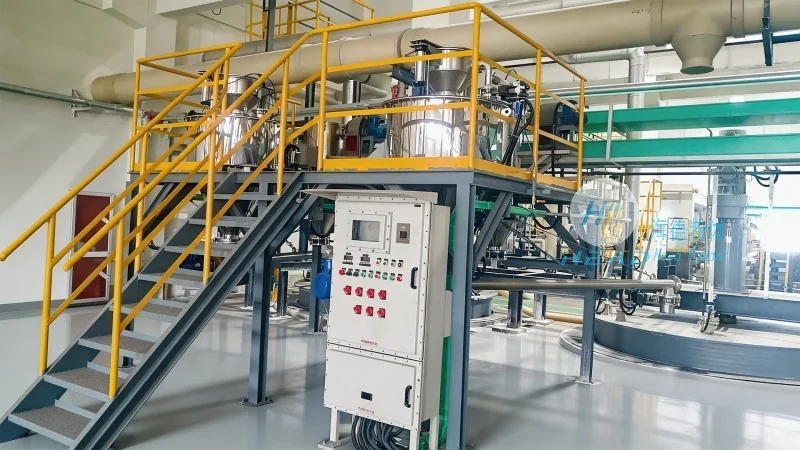
HeadPowder's Polyethylene Pneumatic Conveying: Advantages and Features
HeadPowder, a leading provider of industrial material handling solutions, specializes in polyethylene pneumatic conveying systems that address the specific needs of polyethylene transport. Pneumatic conveying uses compressed air to move polyethylene particles through a pipeline, offering several advantages over traditional methods. The key benefits include:
- Efficient Material Handling: Pneumatic systems can transport polyethylene over long distances with minimal energy consumption. The use of air as the conveying medium allows for gentle material handling, reducing the risk of degradation or damage to the polyethylene pellets or granules.
- Reduced Maintenance and Downtime: Unlike mechanical systems that rely on moving parts like belts or screws, pneumatic conveying systems have fewer components that require regular maintenance. This results in lower operational costs and less downtime, ensuring consistent production flow.
- Static Control and Safety: Polyethylene is prone to generating static electricity, which can pose safety hazards and affect material flow. HeadPowder's systems incorporate static control measures, such as grounding and anti-static additives, to prevent static buildup and ensure safe operation.
- Flexibility and Scalability: Pneumatic conveying systems can be easily adapted to different production requirements, including changes in material volume or transport distance. They can also be integrated with existing equipment, making them a versatile solution for various industrial applications.
HeadPowder's polyethylene pneumatic conveying solutions are designed with precision and efficiency in mind. The company's expertise in material handling technology ensures that their systems are tailored to the unique properties of polyethylene, providing reliable and cost-effective transport solutions for clients across industries.

Conclusion: Choosing the Right Conveying Method for Polyethylene
When selecting a polyethylene conveying method, it's essential to consider the specific requirements of the application, including material characteristics, transport distance, and operational efficiency. While conventional methods like belt or screw conveyors may be suitable for some scenarios, pneumatic conveying offers significant advantages for polyethylene transport. HeadPowder's polyethylene pneumatic conveying systems provide a reliable, efficient, and safe solution that addresses the challenges of polyethylene handling, ensuring optimal performance and minimal downtime.